
7 Ways To Show Your Dog You Love Them
By Janelle Leeson
Reviewed by Barri J. Morrison, DVM
1/29/2024

While you may shower your pup with verbal affection, toys, & cuddles, a nagging uncertainty might linger—does your dog know you love them?
Actions tend to speak louder than words. However, recent research suggests that the sentiment behind verbal expressions of love may not be entirely lost on your furry friend. That said, every pup has their own love language.
By using any of the following tips, you can show love to your furry friend.

Do Dogs Know We Love Them?
Belly rubs, games of fetch, daily walks, nutritious meals… The ways you care for your pup convey a sense of love that domesticated dogs can comprehend. While it might not be the same love that humans understand, the genuine bonds between dogs & humans remain.
While some dogs may experience love at first sight, many require time to develop a strong bond, much like any other deep connection in our lives. Rescue dogs, in particular, may need several days, weeks, or even months to understand that you love them.
Most dogs can’t say “I love you” (at least without the help of talking dog buttons), but they express love through body language, such as a happy tail, perky ears, & loving licks. Scientists also say that the signs of love are apparent in dog & human biochemistry, since we both get a surge of happy chemicals at the mere sight or sound of the other.
As for those who doubt that dogs love us in return, this is precisely what neuroscientist Gregory Berns aims to explore through brain-imaging & behavioral experiments. “I think the answer is yes. [Dogs] love us for things far beyond food—basically the same things that humans love us for; things like social comfort & social bonds,” he tells his colleagues at Emory University.
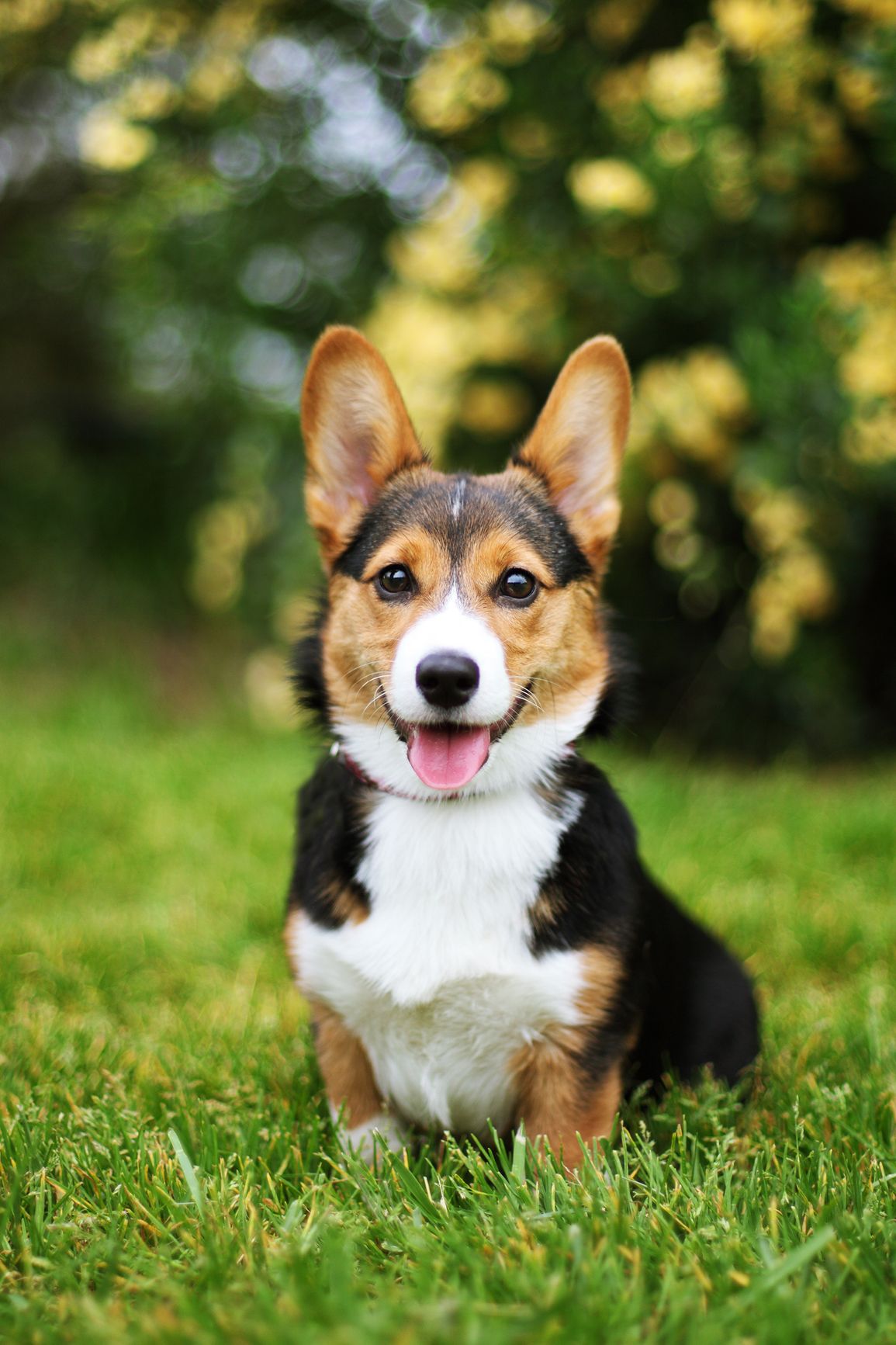
How To Show Your Dog You Love Them
Like humans, dogs have their own love language for expressing & receiving affection. Next time you want your pup to feel loved, try one of these affectionate gestures.
1. Communication

Acts of love are important, but don’t underestimate the power of telling your dog you love them, especially in a sing-song, cheerful tone, according to NPR.
Berns found that when given the choice of food or verbal praise from their beloved human, nearly every dog in his study opted for praise. “We know how it feels when someone praises us; there’s a positive feeling associated with it,” he says. “That’s perhaps similar to what dogs are feeling.”
Dogs with close human relationships also respond positively to their human’s gaze, often approaching them or pawing at them for pets.
Just keep in mind that hard stares can be threatening in dog speak, so use gazing in moderation & only with pups you’ve established a positive relationship with.
2. Treats

Of course, we all know the saying that the way to a pup’s heart is through their stomach, & there’s still plenty of truth in that. Consider loveable Ozzie: He’s a short-haired terrier mix who participated in Bern’s study. He chose treats over his human’s praise 100% of the time.
While an outlier in this study, Ozzie isn’t the only pup who enjoys treats from his humans. Experts say high-quality training treats should be on every pet parent’s shopping list. “There is nothing more bonding than using rewards to train your pup. Dogs get to do the 3 best things in the world: be with you, learn a behavior, & eat all at the same time,” says Dr. Gary Weitzman, veterinarian & president & CEO of the San Diego Humane Society.
3. Food
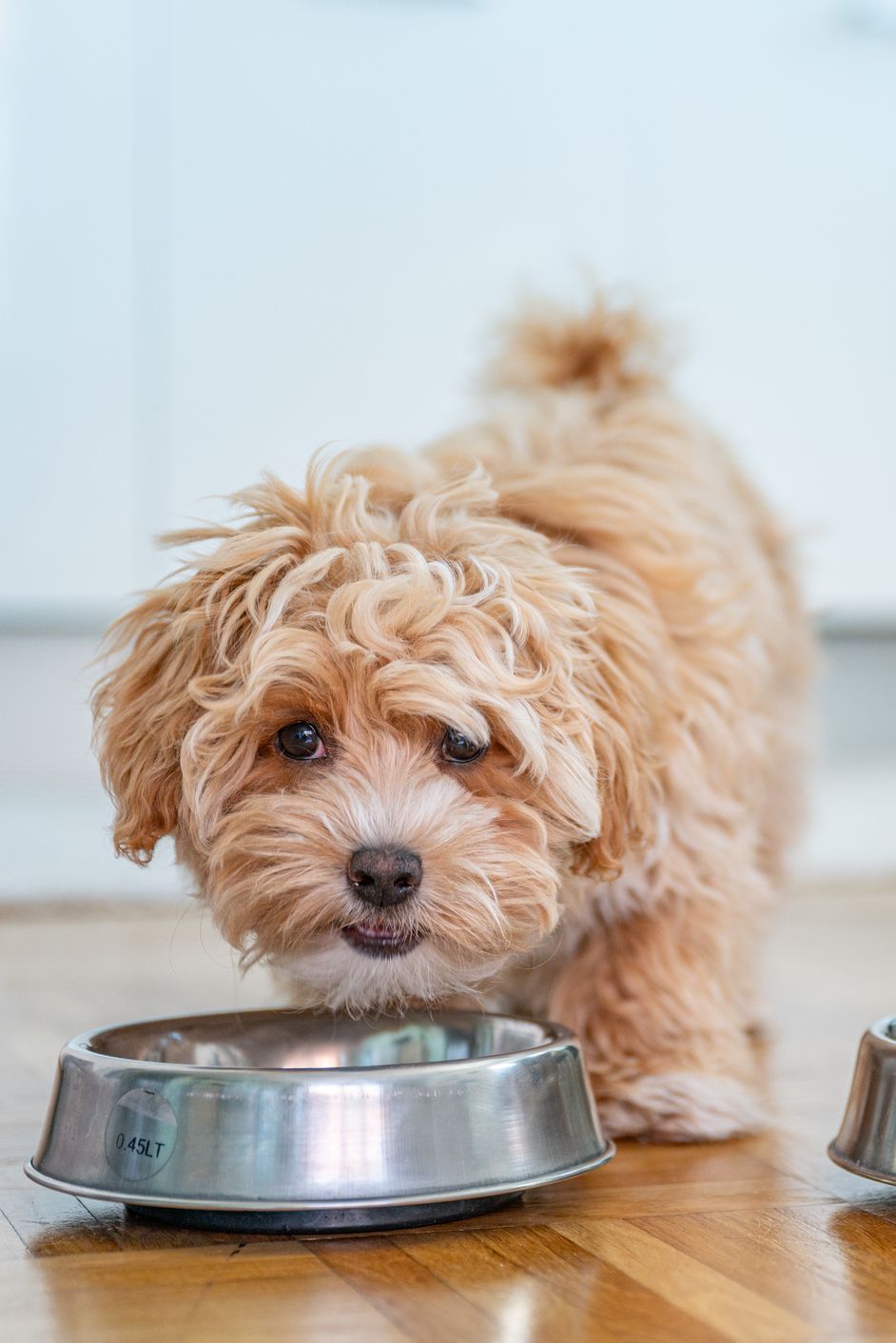
Your dog wants to know they can count on you. A good way to accomplish that? To feed them nutritious meals on a set schedule. In fact, dogs thrive when they have a routine, from meals, walks, & even potty breaks & bedtime.
Overfeeding pups is often confused as showing love, but it’s keeping them at an ideal weight that’s the ultimate gesture of caring for & loving your pooch.
4. Respect

When it comes to cultivating a strong bond with our pets, respecting them is one of the most important things we can do.
One study suggests that mutual respect in dog-human relationships fosters trust, a sense of security, & even increased dependency within the relationship. The same study goes as far as saying that recognizing & respecting our dog’s boundaries brings many pet parents the fulfilling realization that they are genuinely meant to be their dog’s caretaker.
Ways to show your pup respect include:
- Paying attention to & reading their body language
- Not hovering over or forcibly taking away key resources, such as their food
- Knowing—& not touching, pulling, or poking—their “no pet zones”
- Avoiding punishment, yelling, or other fear-based interactions
- Hugging, scratching, & petting with care
- Teaching children how to properly interact with pets
- Asking houseguests to show your pup the same respect
5. Scratches, Rubs, & Pats

For dogs who cherish physical contact, a gentle pat, ear scratch, or belly rub serves as a heartfelt “I love you.” Not all dogs are fond of being touched, just as there are humans who don’t appreciate the gesture.
However, if your dog is constantly in your space, lying on or next to you, or wiggles their entire body at the mere sight of you, it’s a good indication they’ll appreciate more physical affection.
Even brief interactions with their human companions (as little as 3 minutes) can elevate oxytocin levels & reduce stress levels in dogs. Those doing the petting are likely to experience the same mood-boosting effects.
The best areas to pet, scratch, or rub a dog typically include:
- Ears
- Hard-to-reach spots, like along the neck & under their collar
- Chest
- Upper back
Because dogs can’t communicate verbally, closely watch their body language to gauge comfort. Look for changes in ear position, gaze, body posture, & facial expressions. If a dog moves away from your outstretched hand or during physical contact, respect their request not to be touched.
Where you pet, rub, or pat matters too. Most dogs don’t enjoy being touched on or near their:
- Tail
- Groin
- Lower legs
6. Play

“Mental activities are a great way to bond with your pet,” says Hunter. “Dogs thrive on attention, & you may even find your dog returning the favor by being more attentive to your cues.” Without interactive play with their cherished humans, dogs can become bored, potentially leading to destructive behaviors &, in some cases, depression.
7. Exercise
.jpg)
According to the American Veterinary Medical Association (AVMA), exercise, particularly outdoor exercise, is a critical opportunity to stimulate a dog’s brain with a variety of sights, smells, & sounds. Regular physical activity is vital for maintaining your dog’s muscle tone & joint mobility, as well as your own.
Exercise can be serious business for your pup, so before gearing up your dog for more strenuous activities, such as flyball or hikes, consult your veterinarian to make sure your pet is in good health. Your vet will also discuss any necessary precautions, ensuring that your dog’s love for movement aligns with their overall well-being.
Ways To Show Your Dog You Love Them FAQs
How do dogs say I love you?
Pups who like to tell you that they love you may lick, exuberantly wag their tail, & even boast a broad smile. Love is also evident in your pup’s daily activities & subtle gestures. They may stay close during playtime, display a keen sensitivity to your emotions, or consistently show eagerness to join you in new adventures.
How do you make your dog feel safe?
Establish a consistent daily routine that your dog can count on. Dogs thrive when they know what to expect, & knowing that you’ll serve them breakfast just after their morning walk & that they’ll get their favorite chew toy just before you leave for work will make their day & yours go much smoother.
Never physically or verbally punish your dog, as it only fosters fear & can lead to reactive behavior. Instead, stick to positive reinforcement training, which teaches your dog desired behavior with reward-based learning while strengthening your bond.
Cute Critter Pics:.png)

 Weekly Chuckle:
.png)




:max_bytes(150000):strip_icc()/GettyImages-656692604-5ae67a073418c60037866e53.jpg)





:max_bytes(150000):strip_icc()/toucan-1197728311-bde9878a97944214ba0820a84127ab0e.jpg)




.jpg)

