
Can You Hurt Your Cat’s Feelings?
By Hannah Hart, DVM
Published Sep. 4/ 2025

Cats are often portrayed as aloof, independent creatures who are primarily concerned with their own needs & don’t form powerful bonds with humans or other cats. However, evidence contradicts this belief, showing that cats feel a wide range of emotions.
For example, a 2023 study found that cats can produce 276 different facial expressions, & a 2020 study discovered cats use visual & sound cues to detect how both humans & other cats are feeling so they can respond in kind.
To have the best possible bond with your cat, it’s important to understand feline emotions & set up your cat’s home environment to promote feelings of contentment & to prevent anxiety, fear, & depression.
Do Cats Have Feelings?
Yes, cats do have feelings. While we don’t have enough data yet to fully understand how complex a cat’s feelings may be, we do know that they’re capable of feeling at least a few simple emotions, such as:
Fear
Anxiety
Depression
Boredom
Contentment
We can also impact cats’ emotions. Research from the 2020 study indicates that cats may become more anxious when their trusted humans show signs of anger rather than happiness, demonstrating that cats can feel upset when their human family members are.
The 2023 study also found that cats use hundreds of facial expressions to either associate positively or show feelings of aggression toward other cats. These different facial expressions demonstrate that cats do have emotions that influence their body language and behavior.
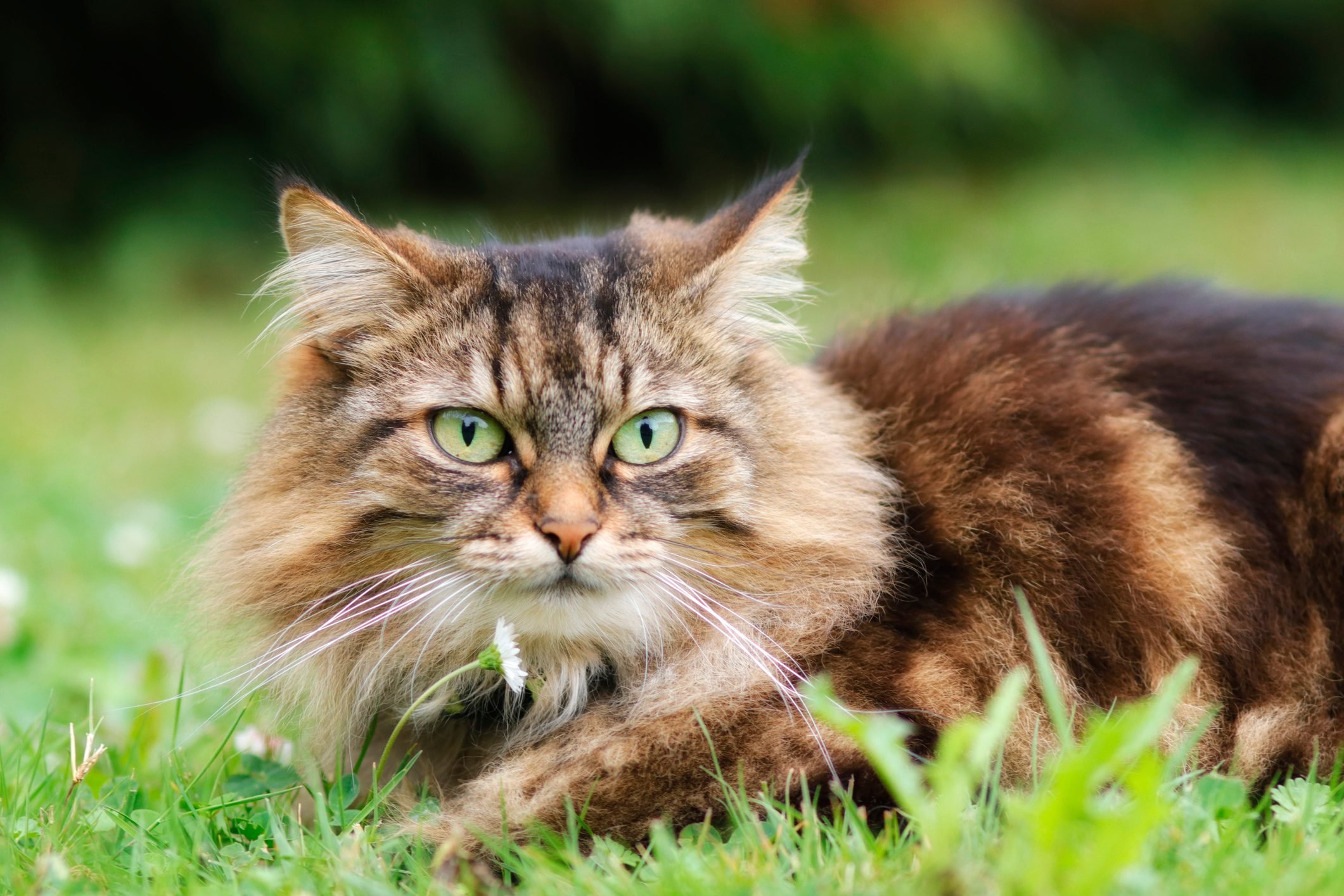
Can You Hurt a Cat’s Feelings?
Yes. Because cats are so keenly aware of our emotions & sensitive to changes in their surroundings, it is possible to hurt your cat’s feelings, so to speak.
Common ways we might make our cats feel anxious, afraid, or depressed include:
Loud noises or raised voices
Sudden changes in routine
Moving their litter box to a new location
New people or pets at home
Changes in their feeding schedule or in the amount of food they receive
Physically punishing your cat, such as using a spray bottle or yelling at them, can similarly make a cat feel afraid & want to avoid you.
Additionally, being too aggressive with affection can also make your cat feel scared & anxious, such as picking them up if they don’t like to be held or trying to pet them when they want personal space.
Cats do often crave connection with us through play & quality time when they’re in the mood. Thus, cats who don’t get enough play & mental stimulation can become bored & may stop seeking out human companionship.
Signs You’re Hurting Your Cat’s Feelings
When your cat is feeling anxious, bored, or neglected, you may notice some changes in their overall activity level & behavior.
For example, when your cat is feeling negative emotions, they may:
Hide more
Sleep more
Play & interact with you less
Pee & poop outside the litter box
Eat & drink less
Experience vomiting & diarrhea
Groom themselves less
Become aggressive
Vocalize more
Change their body posture (become tense, with flattened ears, wide pupils, & a puffed-up tail with lips pulled back to bare teeth & whiskers flattened or splayed out in multiple directions instead of curved downward in a relaxed posture).
How To Bond With Your Cat
Once you know what hurts your cat’s feelings, you can make changes to prevent that negativity in the future. Here is what you can do to best support your cat’s feelings.
1. Stick To a Routine
Establish a daily routine. This routine may include:
Playing
Feeding
Scooping the litter box
Brushing
Going to bed at the same time every day
2. Maintain a Consistent Environment
Keeping your cat’s food & water bowls, litter box, & cat trees in the same location is also helpful.
Additionally, make sure they have access to their favorite toys, views of the outdoors, & comfortable bedding at all times.
Keeping noise levels to a minimum can also keep your cat happy.

3. Spend Time Together, But Respect Their Boundaries
Some cats may enjoy your company, like sitting on your lap or next to you on a favorite couch or chair.
However, know when your cat needs their space. Don’t force petting, cuddling, or quality time when they’re not in the mood for it. Always offer an area for your cat to decompress when needed, such as a comfortable hiding spot with access to a litter box, food, & water, perches, & toys.
4. Play More Often
Most cats benefit from at least 10–15 minutes of interactive play with their humans every day, & some highly active cats may need 2 or 3 additional sessions spaced throughout the day.
Some good options for interactive play include wand toys, catnip, or toys that mimic hunting prey.
You can even turn play sessions into training sessions with a clicker & high-value treats, such as Temptations. Training gives them a mental workout while improving their bond with you.
5. Use Calming Products
There are also several calming products you can use to improve your cat’s mood & help them feel more relaxed around you. These include calming pheromone diffusers such as Feliway Multicat & calming supplements like Purina Calming Care probiotic powder, Vetoquinol Zylkene capsules, & Nutramax Solliquin chews.
It can take about 6 to 8 weeks to see a noticeable effect from these products, but they can be a good long-term investment in your cat’s emotional well-being.
https://www.petmd.com/cat/general-health/can-you-hurt-your-cats-feelings?utm_source=NewsletterSubscribers&utm_medium=Email&utm_content=Newsletter&utm_campaign=Newslett
Cute Critter Pics:.jpeg)


Weekly Chuckle: 
Slava Ukraine!!!
.jpeg)
Slava Ukraine!!!


No comments:
Post a Comment