Sloths Named the New National Animal of this Central American Country
''Slow-moving, sweet-faced & gentle sloths have taken the world by storm, becoming one of the most beloved creatures in popular culture in the last few years.
Formerly a synonym for laziness, sloths have become cultural darlings, with their famously adorable countenances that always seem to be smiling sweetly, 270-degree, slow head rotations, ability to hold their breath underwater for over half an hour, & a digestive system that takes days to process food. Sloth encounters have famously turned celebrities to tears, & have become among the top requested travel experiences.
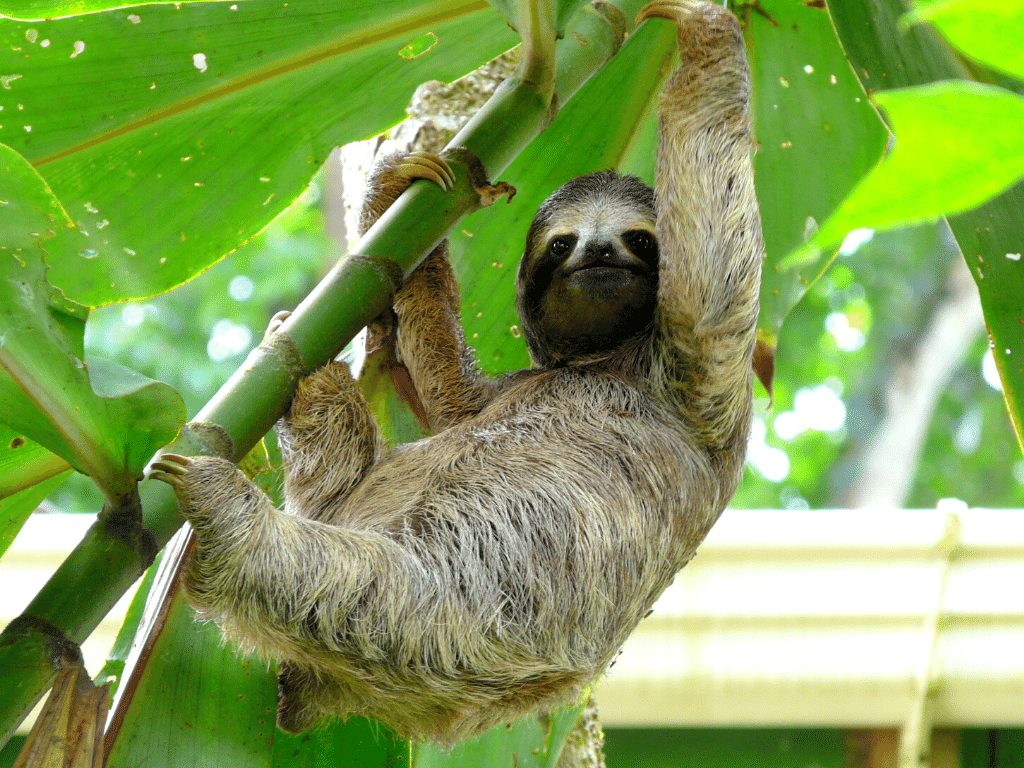
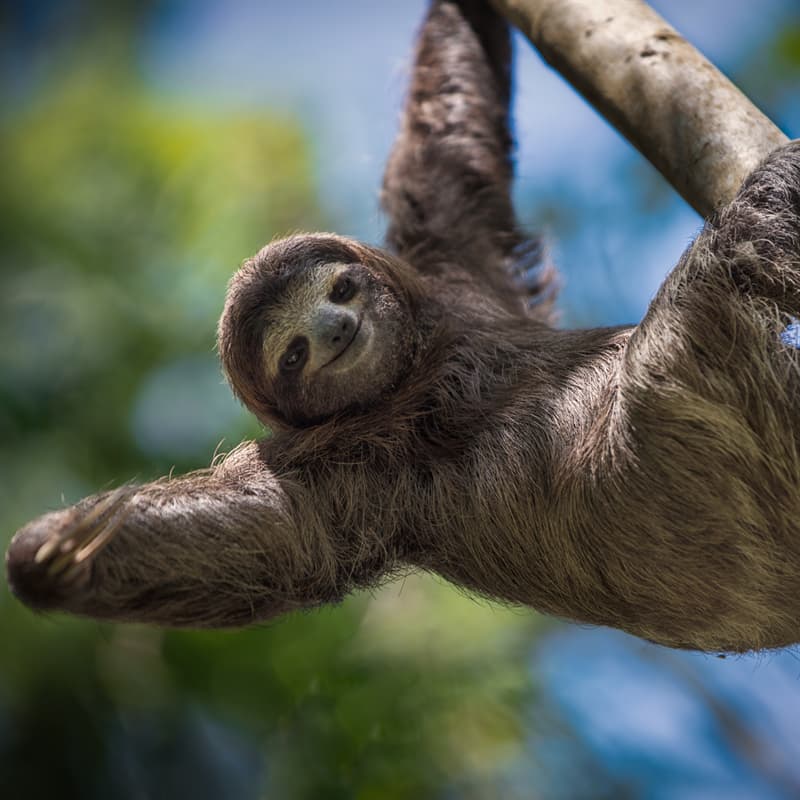
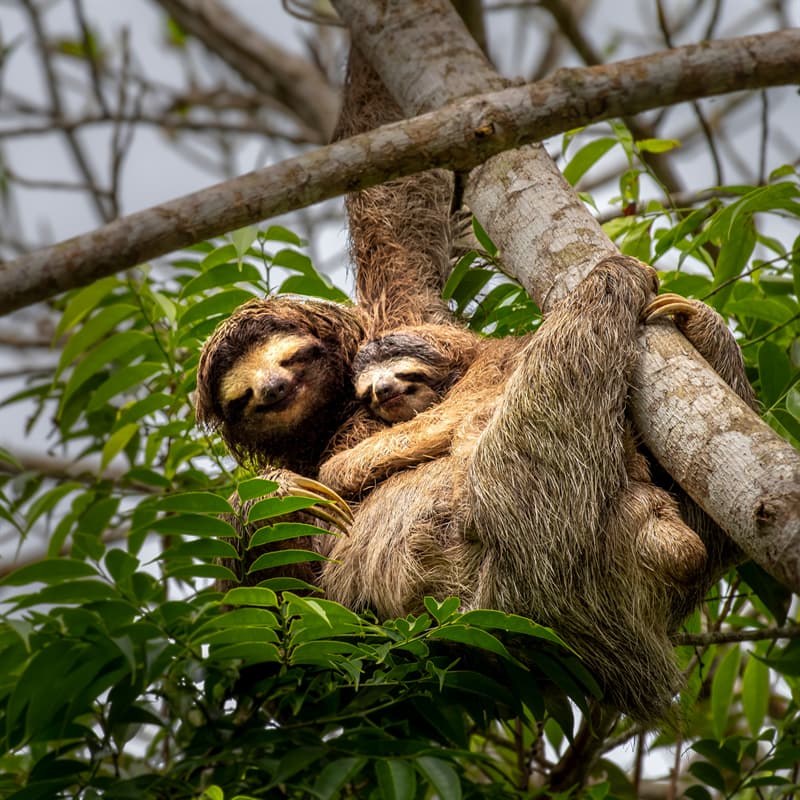
Now, 2 of the 6 types of sloths in the world today have become national symbols of Costa Rica: the Two-Toed Sloth & the Three-Toed Brown Sloth. The country made the announcement ahead of world-wide International Sloth Day on October 20th.
According to The Costa Rica News, while signing the new law, Costa Rica’s president proclaimed, 'I celebrate the new national symbol: the sloth, the friendly & peaceful animal that is an international benchmark for animal protection.'
Another official explained the move 'sends a clear message to our society & the entire world, that our social pact with the environment is no reduced to the simple protection of large areas of land, but also shelters the species that live there.' Nearly 30% of the country is protected as a nature park or reserve.
Now, areas around known sloth habitats will be protected, & traffic slowed to reduce harm to the adorable, slow-moving creatures who are not able to walk, but pull themselves in slow-motion across the ground.
The country’s residents see a connection between the sloth’s easy-going, relaxed lifestyle, spending most of its time swinging gently from tree limbs, to the peaceful, Costa Rican ‘Pura Vida’ mindset which focuses on a living life with little stress & instead, enriching the mind, body, & soul.
Even prior to its adoption as national animal, sloths were already among the best-known animals that visitors from North America look forward to spotting on a visit to Costa Rica.
Responsible Sloth Spotting in Costa Rica
Of the 6 sloth species in the world, Costa Rica is home to 2 unendangered subspecies – the 2-Toed Sloth and 3-Toed Brown Sloth, which are both typically spotted in tree canopies around the country.
While sloths can be spotted all throughout Costa Rica, Manuel Antonio National Park, Limón, Monteverde, the Osa Peninsula, Arenal, & Tortuguero are great places to start.
But spotting a sloth in the wild can be a challenge. Although they have few natural defenses, sloths can be hard to spot as their fur blends in well with the branches they hang from.
Travelers to Costa Rica are advised to book tours with tourism-board approved, responsible, & knowledgeable guides who can easily spot slots from a distance using a telescope. It is important to remember that petting, touching, & holding a sloth (or any wild animal) in any way in Costa Rica is illegal.
Instead, travelers are invited to take photographs. And even then, the government of Costa Rica has issued guidelines to avoid cruelty to the animals, support conservation efforts, & reduce illegal capture of sloths out of the wild.
Costa Rica has begun a #StopAnimalSelfies campaign & urges all visitors to practice responsible tourism by keeping a safe distance from any animal when taking photos.
You can also visit wildlife rescue centers in the country, such as Rescate Wildlife Rescue Center, Kids Saving The Rainforest, Las Pumas Wildlife Sanctuary, & Natuwa Wildlife Sanctuary, where visitor admission fees & purchases, as well as donations, help sloths & other wild animals return to nature. Extensive rehabilitation programs, where human contact is kept at a minimum, allow animals learn to re-develop their natural instincts.
In some rescue cases, a sloth can’t be returned to its wild habitat, like 'Osito the Sloth' at Las Pumas - who suffered a birth injury rendering his hind legs non-functional. Sanctuaries provide enclosures similar to their natural habitat & offer educational information to visitors about why an animal cannot be re-released, what their diet looks like & typical enrichment activities that support their care & quality of life in captivity.
If sloths in particular, or wildlife encounters in general, are why you love to travel, Costa Rica’s new national animal is the perfect reason to plan a trip to see one of the most beloved & on-trend creatures in the world today."
trenttravel.ca
10/14/2021
Cute Critter Pics:
Weekly Chuckle:
Critters on Live Cam: