
What You Need to Know Before You Adopt a Rabbit
By Laurie Hess, DVM, DABVP
Published Feb. 12/2019

Rabbits are one of the most popular exotic animals kept as pets these days, &—when adopted into the appropriate home—they can make terrific companions. Bunnies come in all colors, shapes, & sizes, & are readily adoptable from shelters & breeders.
They are perfect pets for small living quarters, as they don’t take up a lot of space, don’t need to go outside & are generally very quiet.
Typically cute & cuddly looking, rabbits can bond to their owners closely & respond to them by sight & sound. Unfortunately, because of their adorable appearance, too many people impulsively adopt a rabbit, especially around Easter time, without knowing what kind of care or supplies these animals require.
As a result, new rabbit owners may ultimately become disillusioned with their pets once they realize that these animals require time & effort to care for properly. Too many bunnies are abandoned in shelters as a result of impulsive rabbit adoption.
If you’re deciding whether or not to adopt a rabbit, there are several things you should know before bringing one home:
Rabbits Have a Long Expected Life Span

With proper diet & medical care, rabbits can live 8-12 years or more—which is longer than many other small animal pets.
So, before you adopt a rabbit, be sure you are prepared to feed, house & offer attention to a pet for that many years.
Bunnies Do Best as Indoor Pets

Unlike their wild counterparts, pet rabbits live longer & healthier lives when kept inside. Outside, these prey species are exposed to dangerous wild predators, including hawks, foxes, coyotes, & stray dogs.
Plus, their thick fur coats & absence of sweat glands often lead them to overheat easily when exposed to temperatures over 80 degrees Fahrenheit. On the other hand, rabbits typically have little fur on their ears & on the bottoms of their feet, predisposing them to frostbite if they are outside in freezing weather.
If bunnies are allowed outside, they should be provided with shade if it is excessively hot & a heated area if it is excessively cold. They also must have access to water at all times when they are outside & be monitored at all times to protect them from attack by predatory wild animals.
Rabbits Need Exercise

Although rabbits don’t need to go outside or be walked like dogs, they do need time every day out of their rabbit cages.
Daily exercise aids in their digestion & prevents excessive weight gain, plus many rabbits enjoy running around & jumping on top of things. Ideally, rabbits are provided with a bunny-safe room or penned off area indoors which they can explore.
However, they should never be out of their cages unsupervised, as they are known to chew on inappropriate objects (such as painted surfaces & electrical wires) & notoriously get into trouble.
Every Bunny Has Her Own Personality

Rabbits’ personalities differ just like those of people. Some bunnies are reserved & quiet, while others are energetic & outgoing. Before taking a new rabbit home, a person considering whether to adopt a rabbit should spend time getting to know the bunny’s demeanor to make sure it is well-suited to theirs.
Rabbits Need to Be Socialized
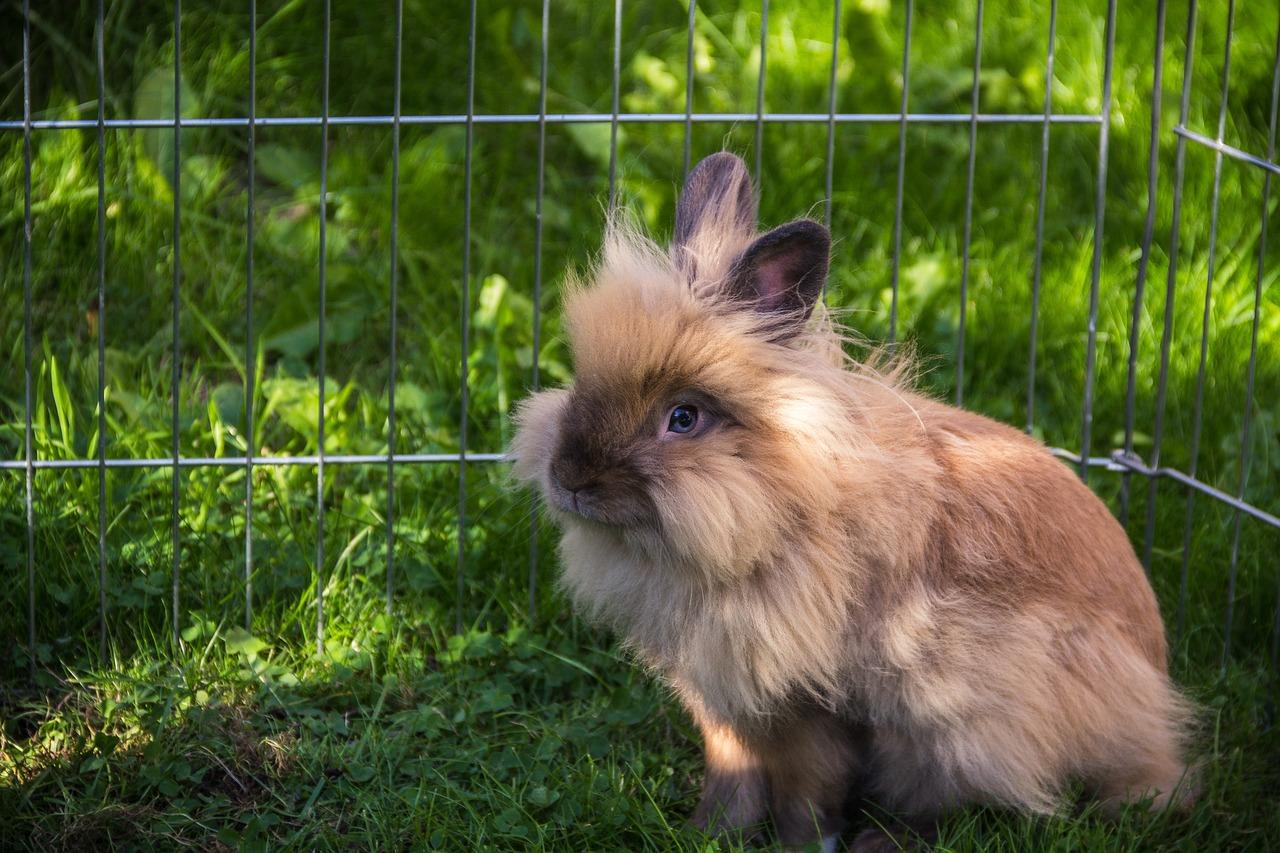
While some rabbits are gregarious, others may be shy & try to hide when they are first adopted. Therefore, it’s critical that new owners spend time petting & handling their new bunnies to help them transition happily into their new environment.
New owners must always handle their rabbits safely & gently, being sure to support their hind legs so they feel secure & safe from injury. Rabbits whose hind ends are not properly supported when they are held can kick their strong back legs & break their backs.
Rabbits Need a High-Fiber Diet to Stay Healthy

Bunnies are herbivores (vegetable eaters) who need to consume large amounts of hay each day, not only to help wear down their continuously growing teeth, but also to provide fiber to the bacteria in their gastrointestinal (GI) tracts that break down their food.
A proper daily diet for a bunny includes unlimited amounts of timothy or other grass hay plus a smaller amount of leafy green vegetables—including romaine lettuce, carrot tops, endive, basil, kale, cabbage, radicchio, wheat grass, squash, brussels sprouts, parsley, pea pods (not loose peas), & collard, beet or dandelion greens.
While appropriate for young, growing bunnies & pregnant or nursing rabbits, alfalfa hay is not generally recommended for full-grown rabbits as they approach 1 year of age as it is too high in calcium & calories. Hay may be provided in a bowl or from a commercially available basket or net that hangs inside the cage.
In general, rabbits should not be offered much fruit other than an occasional small slice of high-fiber apple, pear, plum or peach. Carrots are also high in sugar & should be offered only in small quantities.
To ensure they receive all the micronutrients they need, rabbits should be provided limited amounts of high-fiber, timothy hay-based rabbit pellets (no more than ½ cup per 4-5 pounds of rabbit weight per day).
Excess pellet consumption can lead to diarrhea & obesity. Pellets should not be mixed with seeds, grains or nuts, as rabbits’ GI tracts are not equipped to digest these high-fat items. If ingested, these items can cause GI upset & weight gain.
Bunnies also should be provided with fresh water daily in both a sipper bottle & a bowl, as different rabbits have preferred methods of drinking.
Bunnies Are Fastidious Groomers

Rabbits typically groom themselves often & keep themselves quite clean, so they don’t require professional grooming. However, like cats & dogs, they need their nails trimmed every few weeks, & long-haired breeds—such as the Angora—should be brushed weekly to prevent matting of their hair.
Bunnies do not generally need to be bathed unless stool sticks to their hind ends. Bunnies normally produce 2 types of droppings: fecal pellets & cecotropes. Cecotropes are partially digested foods that rabbits ingest for essential vitamins & other nutrients.
Rabbit cages should be lined with paper-based bedding (shredded newspaper or a commercially produced, recycled, paper-based products) that should be spot-cleaned daily & completely cleaned out once a week.
Bunnies can be trained easily to use a small litter pan in the corner of the cage containing a type of paper-based bedding that’s different from that in the cage. The litter box should be scooped daily & completely cleaned weekly.
Bunnies Can Live With Other Pets

While rabbits are prey species, & other commonly kept pets, such as cats, dogs & ferrets, are predators whose instinct is to catch prey. However, these animals can live harmoniously in one household if they are constantly supervised.
A well-meaning predatory pet may only want to play with a bunny by picking it up in its mouth; however, their sharp teeth, long claws & germ-laden saliva may inadvertently hurt the bunny. Thus, dogs, cats & ferrets should never be left alone with a rabbit, no matter how gentle & friendly they seem.
Rabbits Must Chew

All rabbits’ teeth—both front & back—grow continuously. Thus, it is essential that they have an unlimited amount of hay as well as safe rabbit toys, such as hard wooden blocks & sticks (like commercially available applewood branches), to chew on to help keep teeth worn down.
If not provided with safe objects to chew on, rabbits will chew on furniture, moldings, door frames, carpets, flooring, wires, & other inappropriate objects. Thus, bunnies must be supervised at all times when they are out of their cages, & all areas they have access to must be bunny-proofed in advance.
In addition, their cages should be lockable, as rabbits are notorious escape-artists.
Rabbits Require Veterinary Care
In addition, after 6 months of age, all female rabbits should be spayed, since 70-80% of unspayed female bunnies develop fatal uterine cancer after age 3.
Rabbits can be phenomenal, long-lived companions when cared for properly, but they are not right for everyone & should not be adopted impulsively.
If you learn about the care they require & have the time to spend with them, look no farther than your local rabbit shelter to find a bunny just waiting to be taken home.
What You Need to Know Before You Adopt a Rabbit | PetMD
Cute Critter Pics:


No comments:
Post a Comment