Thursday, August 20, 2026

Aug. 19/2026


This Theory Might Explain Why Your Cat Sits On Your Keyboard So Often (& It's Not Because Of Heat)

By Cynthia Anaya  

12/20/2025 

It's probably happened to you a dozen times. You're typing on your laptop or desktop computer when your feline friend decides to plop down squarely on the keyboard, demanding your attention. Or, maybe you assume that it chooses to commandeer your keyboard as its resting spot because of the warmth it provides. According to animal behavior expert Dr. David Sands, the real reason involves feline scent-driven ownership (via Science Focus). This means heat isn't what's attracting your kitty to your keyboard; your smell is. 

As naturally territorial animals, cats primarily use scent to mark their turf. They use the scent glands on their cheeks, face, chin, & paw pads to claim objects as their territory. Simply lying on an object, like your keyboard, also does the trick. With all the typing you do, all the keys & crevices of your keyboard smell like you, so by lying on them, your cat is basically saying, "You're mine." It's mixing its own scent with yours.

This could be seen as a sweet gesture or compliment, depending on your perspective. After all, many pet owners would affectionately say that they "own" their pets. With that comes thoughtful purchases like toys, cozy beds, scratch posts, dog or cat treats, maybe a personalized dog or cat collar, & so on. So when your cat does something that suggests it owns you, the gesture could indicate the same sentiment.

Ways to keep your cat off of your keyboard

Seeing your kitty lie on your keyboard might seem cute the first time it happens, but if it becomes a regular thing, you'll probably want it to stop. Sure, you could just shut the door while you work, leaving your cat on the other side. However, if you're working in an open space without a door, or if your cat is determined to get in no matter what, you'll need a different approach. So, how do you get your cat to stay off your keyboard? By redirecting.

Consider creating an alternative that's just as appealing to your cat as your keyboard. Place a soft, comfy cat bed or that irresistible cardboard box near your work area & place one of your shirts in it. This gives your cat someplace else to lie that smells like you & still lets it mark its territory, without messing up anything on your computer screen. You might even want to sprinkle some catnip on your shirt to make the bed or box even more enticing.

As another option, you can have some of the best solo-play cat toys on hand as a way to redirect your cat's attention. Whip out the interactive puzzle or electronic concealed motion cat toy to keep your kitty busy & distracted. It just might tire itself out enough that it will lose all interest in what you're doing. That way, it can still hang out with you without interrupting your work.

Read More: https://www.cuteness.com/2052103/theory-explain-why-cat-loves-sitting-on-keyboard/

Cute Critter Pics:


Weekly Chuckle:

Slava Ukraine!


Wednesday, August 12, 2026

August 12/2026


10 Dog Breeds That Can’t Tolerate the Summer Heat

By Nicole Zittritsch, LVT, BSc, MPH. Reviewed by Barri J. Morrison, DVM

Updated May 27/2026

As temperatures rise, some dog breeds might not handle the heat as well as others. Dogs that are susceptible to hot weather include flat-faced breeds like French Bulldogs & dogs with thick coats like the Chow Chow.

How To Protect a Dog During Heatwaves

As the temperatures rise, keeping dogs cool is an important part of pet parenthood. If dogs are not properly cared for in hot weather, they can experience heatstroke & other heat-related conditions. And if a dog’s body temperature rises to dangerous heights, it can be fatal.

It’s essential that you protect your dog during extreme heat by:

Limiting time spent outside in hot weather

Keeping outdoor exercise restricted to cooler parts of the day (morning & evening)

Giving your dog cool baths

Offering your dog shade, air conditioning, cooling mats, & constant access to fresh water in a dog water bowl or dog water fountain.

Dog Breeds That Can't Handle the Heat

Here are some dog breeds that are particularly susceptible to hot weather.

1. Akita

In cold weather, an Akita’s thick double coat provides insulation. But in hot weather, this coat may cause them to overheat. This, coupled with their heavy build, means Akitas have a low tolerance for heat.

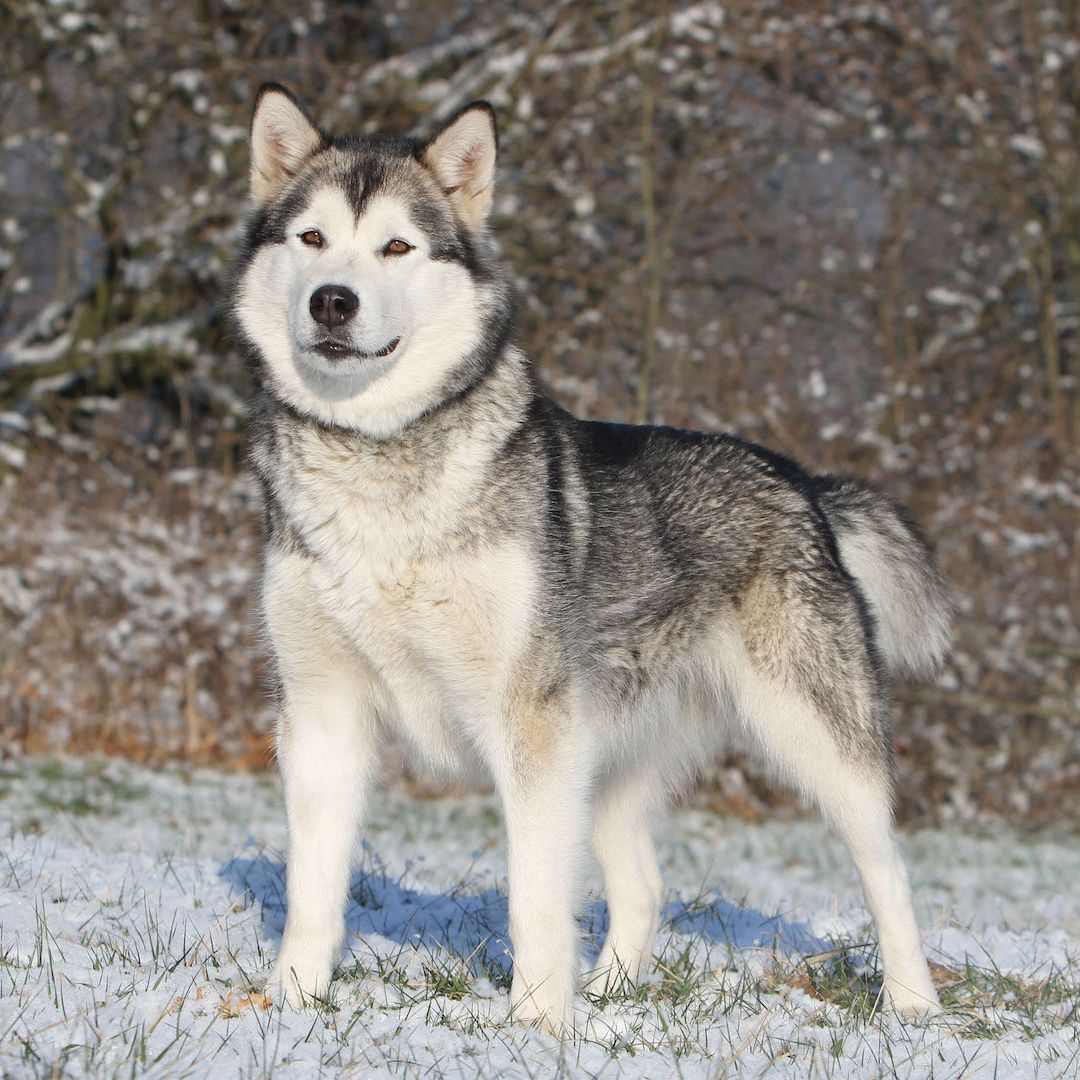
2. Alaskan Malamute

The Alaskan Malamute was bred to pull heavy loads in freezing Alaskan temperatures. This makes them one of the best dog breeds for cold weather, but one of the worst for hot climates.

Keeping your Malamute inside during the hottest parts of the day & routinely grooming them with a comb or undercoat rake to remove excess fur can help your dog stay comfortable in the summer.

3. Boston Terrier

Unlike Akitas & Alaskan Malamutes, Boston Terriers don’t have a thick fur coat. But they are brachycephalic, meaning they have a short muzzle that makes it difficult for these dogs to cool themselves off by panting.

During the summer months, it’s important to keep a Boston Terrier’s environment cool & well-ventilated. Avoid going outside & engaging in strenuous activities during the hottest parts of the day.

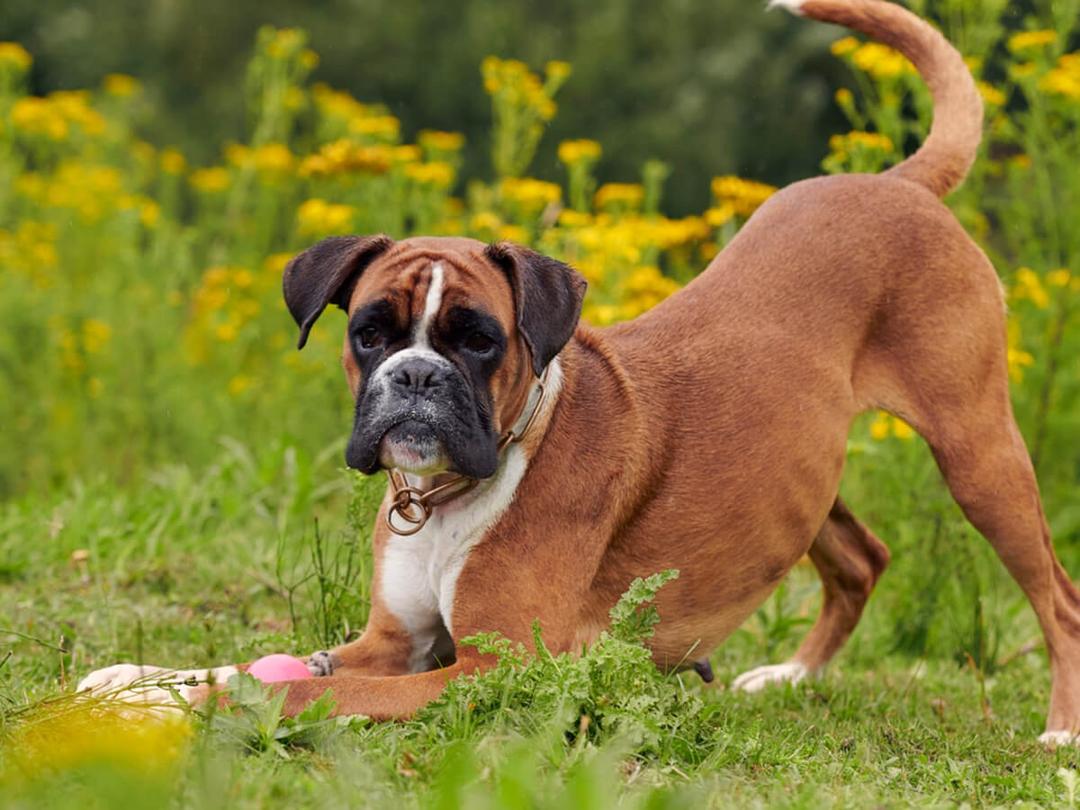
4. Boxer

Because Boxers are brachycephalic & have high energy levels, they tend to overheat easily. Make sure their daily walks are restricted to cooler parts of the day (morning or evening) & that they have a cool, shaded place to rest during the heat of the afternoon.

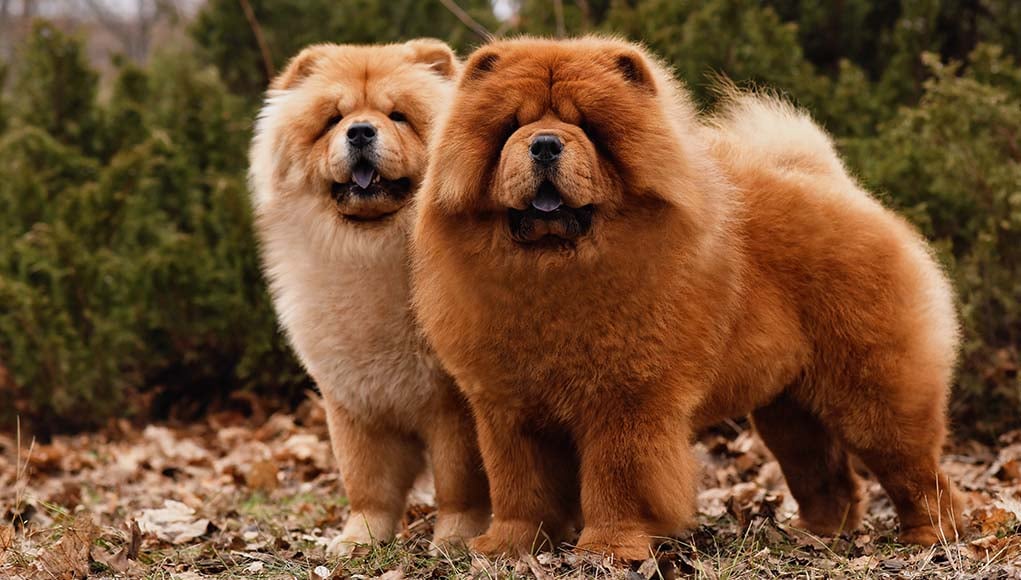
5. Chow Chow

Chow Chows are not well suited for hot weather due to their thick double coat & heavy build. When not properly cared for, they can easily overheat. Regular grooming prevents matting & gets rid of excess fur that contributes to heat. Keep your Chow inside during extreme weather.

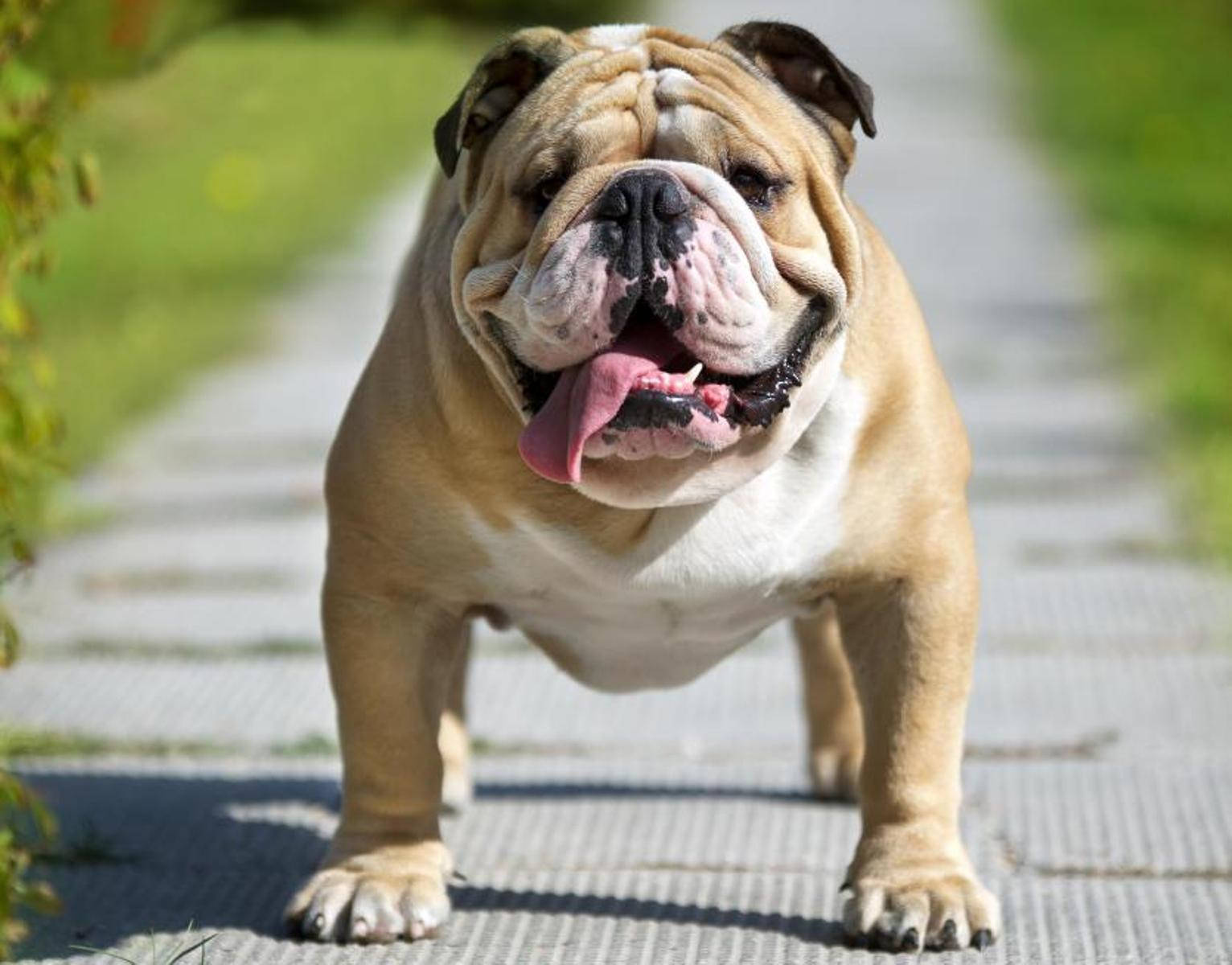
6. English Bulldog

The flat face of an English Bulldog makes this breed prone to overheating. It’s vital that pet parents restrict this dog’s outdoor activity during the heat of the day. This shouldn’t be too difficult, as English Bulldogs have a reputation for being lazy & calm dogs.

7. French Bulldog

Another short-muzzled breed, French Bulldogs cannot effectively cool down through panting. And because dogs don’t sweat like humans do, this can be dangerous.

French Bulldogs are the most popular dog breed in the U.S., & their pet parents need to know how to keep this breed cool & safe. Strenuous activities should be avoided during the hottest parts of the day. Consider cooling mats or fans to help reduce your Frenchie’s body temperature, & ensure they have 24/7 access to fresh water.

8. Pekingese

Pekingese can’t tolerate hot weather because they have a long, thick coat & because they’re brachycephalic. They may benefit from a summer haircut to help them stay cool, & they should always be kept inside during the hottest parts of the day.

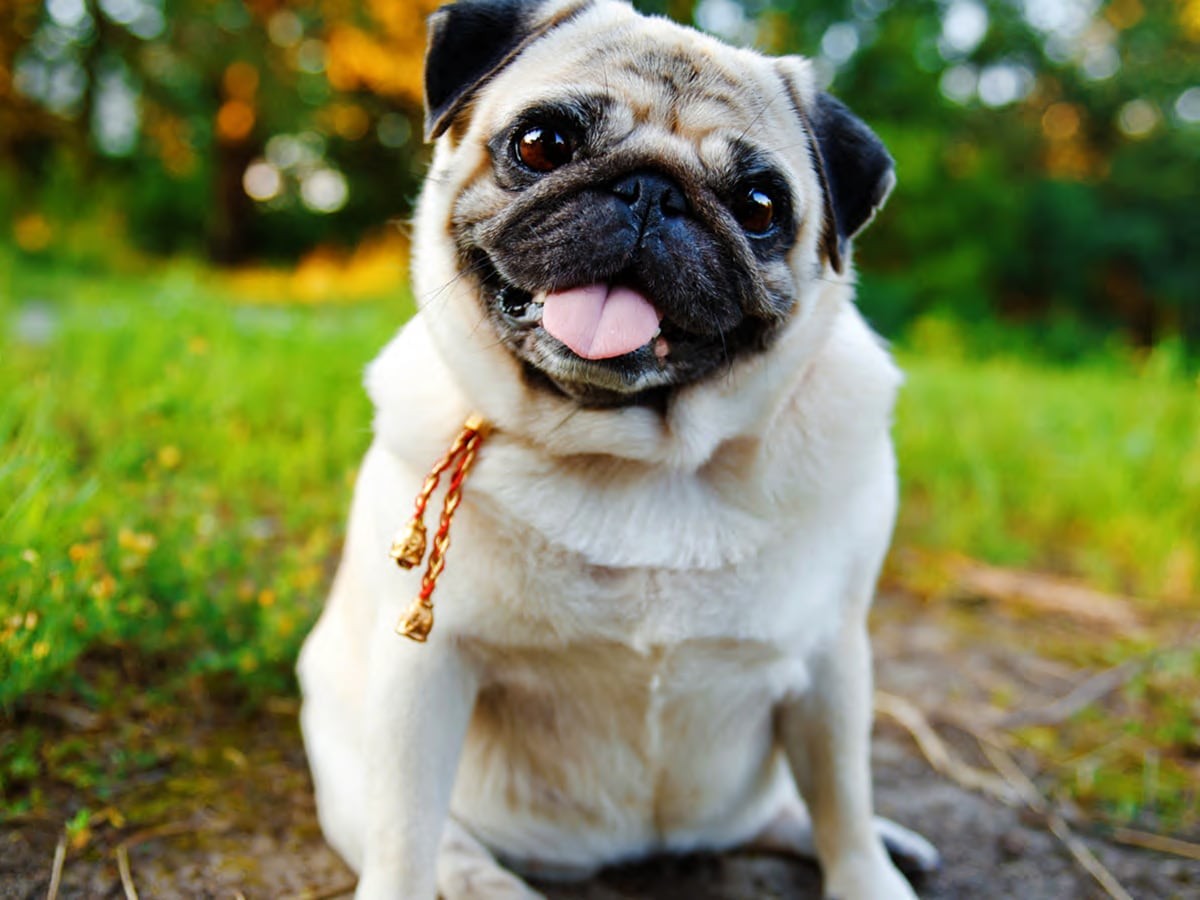
9. Pug

Despite the Pug’s short fur & compact size, they don’t do well in hot weather because of their flat face. Cool, well-ventilated places are important for keeping this small dog breed cool during the summer.

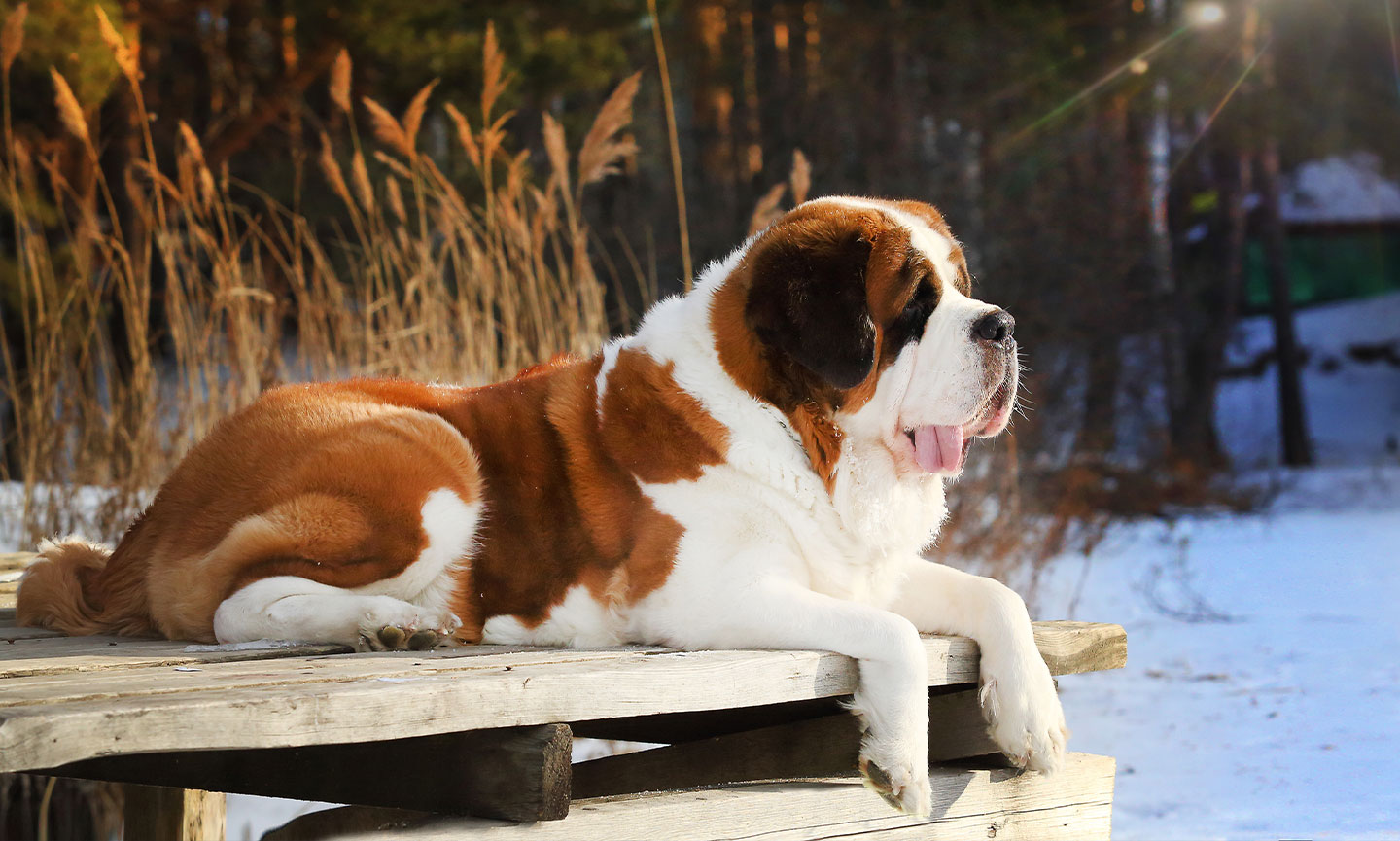
10. Saint Bernard

Originally from the Swiss Alps, Saint Bernards were bred for cold-weather rescue work. Thanks to the thick coat that protects them in the mountain snow, Saint Bernards can struggle in hot & humid climates. Offer them fresh water & use cooling mats & fans to help lower their body temperature.

https://www.petmd.com/dog/general-health/dog-breeds-that-cant-tolerate-summer-heat?utm_source=NewsletterSubscribers&utm_medium=Email&utm_content=New

Cute Critter Pics: 


Weekly Chuckle:

Slava Ukraine!!!


Wednesday, August 5, 2026

August 5/2026


Heat Stress in Horses: Recognizing Symptoms & When It’s Too Hot to Ride

By Jennifer Rice, DVM, CVSMT. 

Reviewed by Courtnee Morton, DVM, CVA, CVC

Updated Jul. 25/2025

Just as excessive heat can be dangerous for humans, the same is true for our equine companions. Hot weather, heavy workloads, & limited access to cooling measures can all affect a horse & put them at risk for heat stress & stroke.

It’s important to learn the signs of heat stress in horses & how to keep them cool, as well as how to calculate when it’s just too hot to ride.

What Is Heat Stress & Heat Stroke in Horses?

Heat stress & heat stroke in horses are equine emergencies that are most commonly observed in the summer months when the temperature & humidity outside are at their highest.

Horses naturally produce heat in 2 normal metabolic functions: digestion & exercise. Heat stress occurs when there is a breakdown in the way a horse normally cools down & sweat cannot evaporate & allow for proper cooling.

If left untreated, heat stress can lead to heat stroke, during which a horse’s body temperature rises above 105–106 F, which can be life-threatening in horses.

Symptoms of Heat Stress

A horse who is experiencing heat stress may exhibit one or more of the following signs:

- Profuse sweating or less sweating than expected

- Hot skin to the touch

- Rapid breathing

- Rapid heart rate or pulse that does not improve with rest from exercise

- Increased body temperature of above 102 F

- Muscle weakness

- Stumbling

- Dehydration

- Tacky mucous membranes

- Sunken eyes

- Lack of skin elasticity or tent when you pull up from the body

- Lack of urination

Symptoms of Equine Heat Stroke

Heat stress can quickly turn into heat stroke. Symptoms of heat stroke include:

- Rapid respiratory rate continues

- Increased body temperature of over 105–106 F

- Collapse

- Convulsion

Causes of Heat Stress & Heat Stroke in Horses

There are several factors & conditions that can lead to heat stress in horses.

These conditions include:

- High outside temperature

- High environmental humidity

- Poor barn ventilation

- Prolonged exposure to sunlight

- Excessive work

- Transportation

- Obesity

The most common scenario for a horse to become heat stressed is if they are exercised when the conditions outside are hot & humid. Under these conditions, evaporation from sweat is greatly reduced & heat stress leading to heat stroke are much more likely to occur.

When Is It Too Hot to Ride a Horse?

Every horse tolerates heat differently, but there are some general guidelines to when it’s just too hot to ride.

In the heat of summer, it is best to ride in the mornings & evenings instead of the heat of the day. It is also important to allow adequate time for a horse to acclimate to hotter weather if they are new to the environment.

Additional factors that can make a horse more prone to heat stress include:

- Dehydration

- Loss of electrolytes from sweat

- Geriatric horses

- Horses with anhidrosis (unable to sweat normally)

How Veterinarians Diagnose Heat Stress & Heat Stroke in Horses

Your veterinarian will start with a history & physical exam in order to diagnose heat stress & heat stroke in your horse.

During the exam, it will be important for the veterinarian to look at the horse's mucus membranes for color & moisture, check the heart & respiratory rate, & check body temperature.

A horse that shows an elevated temperature of over 102 may be experiencing heat stress, & horses with a temperature of over 105–106 F are diagnosed with heat stroke.

Your veterinarian may also check their hydration status & evaluate kidney health through blood work if they seem dehydrated.

Treatment of Heat Stress & Heat Stroke in Horses

Treatment of heat stress & stroke in horses will depend on the severity of your horse’s symptoms. If you suspect your horse is experiencing heat stress, it is critical to stop all exercise immediately & move your horse to a cooler setting, such as in the shade. Be sure to contact your veterinarian immediately.

While waiting for veterinary assistance, place a fan next to your horse & spray them with cool water. Allow your horse access to fresh water in small intervals until the veterinarian arrives.

Your veterinarian will likely want to give your horse some intravenous fluids & electrolytes to help cool them off as well as replenish fluid & electrolyte losses.

As a horse’s condition improves, their temperature will start to decrease, respiratory rate may return to normal, they may calm down if they were behaving stressed, & sweating will return to normal.

Recovery of Equine Heat Stress & Heat Stroke

Horses generally recover from heat stress with no lasting effects. Depending on the severity of the heat stress, your veterinarian will be able to advise you on how to safely return to your horse's normal lifestyle.

Typically, allowing rest for a day or 2 & slowly easing your horse back to exercise is advised. Electrolytes may also be recommended to help restore balance & improve your horse’s hydration.

How To Prevent Heat Stress in Horses

You can help prevent heat stress in your horse in a variety of ways:

- Provide access to fresh water

- Provide access to shade

- Reduce ride time & intensity when it is hot & humid

- Ride in the morning or evening when it is the coolest

- Ask your veterinarian about providing electrolytes in times of strenuous work & increased sweating

- Provide access to a fan if there is low to no air flow in your horse’s stall

- Consider clipping horses with long hair

- Transport horses during the cooler parts of the day

Heat Stress & Heat Stroke in Horses FAQs

How can I keep a horse cool in extreme heat?

During hot weather, only ride in the early mornings or evenings, provide shade for your horse, & give them plenty of fresh water. To encourage your horse to drink enough to stay hydrated, consider discussing an electrolyte supplement for your horse. If your horse stays in a barn or stall for parts of the day, ensuring good airflow through windows & fans is crucial.

Does heat stroke cause gas colic in horses?

Heat stress or stroke can lead to colic in horses. This is because as the horse becomes dehydrated, so do the intestines. This can lead to decreased motility, impaction, spasming of the GI tract, or even leaky gut which can lead to toxins entering the bloodstream from the intestines.

What are the long-term effects of heat stroke in horses?

In severe cases, heat stroke can lead to organ failure or death. If a horse recovers from heat stroke/stress, potential long-term effects can include neurological deficits, anhidrosis, & heat intolerance.

https://www.petmd.com/horse/emergency/heat-stress-heat-stroke-in-horses

Cute Critter Pics: 


Weekly Chuckle:


Slava Ukraine!!!