Showing posts with label Koi. Show all posts

Wednesday, September 10, 2025

Sept. 10/2025


One Pet Fish Type Can Live Longer Than The Rest (Here's How)

By Adam Symchuk   

3/ 7/ 2025 
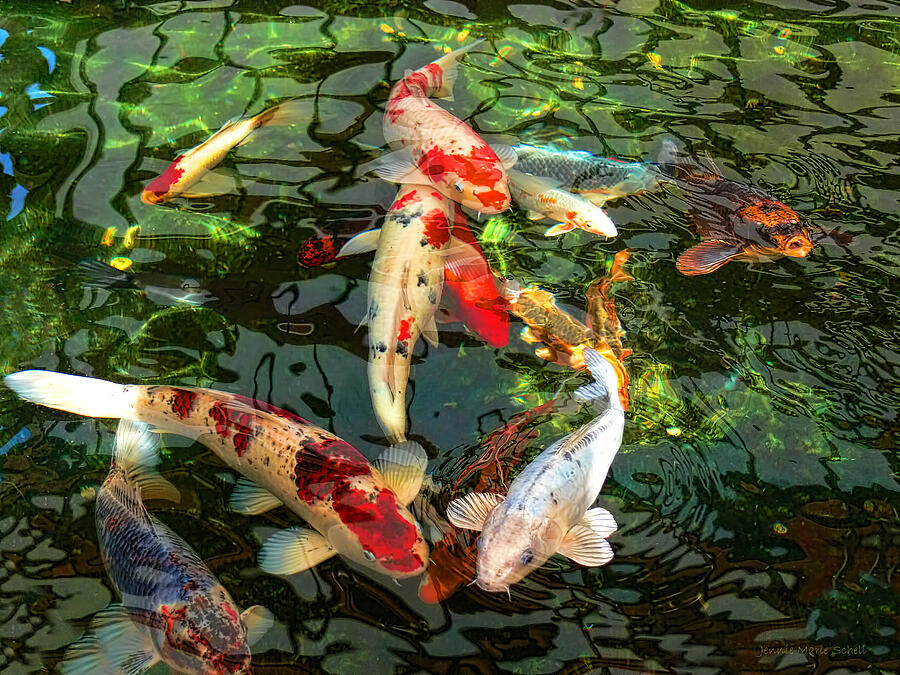
Pet fish can be the perfect highlight in a stunning outdoor garden or a vibrant focal point in a room where their aquarium showcases the beauty of aquatic life. While some people dismiss fish as pets — citing perceived lack of intelligence or short lifespans relative to cost — many of these assumptions are based on misconceptions. In reality, fish can have an abundance of personality & some species are among the longest-living pets. One, in particular, stands out for its remarkable longevity: the koi. With proper care, these elegant carp can become lifelong companions, outliving popular pets like cats & dogs.

Koi fish are cherished globally for their unique markings & docile nature. With the right care, they can live between 25 & 40 years under optimal conditions in domestic ponds & environments. This lifespan surpasses that of the goldfish, a fish that isn't as easy for beginners as once thought, which usually lives 10 to 30 years under proper care. However, the koi's impressive longevity does not come naturally, & owners must provide them with a tailored environment & adequate care to help them thrive.

Replicating a Koi's natural habitat, maintaining a healthy diet, ensuring clean water, & allowing them to hibernate are essential steps for nurturing these prized fish & ensuring they live long, healthy lives.

The ideal conditions for a koi

Koi thrive best in an environment mimicking their native habitat, particularly an outdoor mud pond. A mud pond is an excavated area filled with water, often lined with Bentonite clay if the natural soil is unsuitable. These ponds cultivate natural food sources like algae, insects, & other invertebrates. Having ample space & encouraging natural behaviors is ideal for raising a koi.

However, caring for koi goes far beyond simply building a pond & putting the carp in it. A potential breeder/owner must optimize oxygen levels, pH balance, & water quality. Koi also flourish in communities with other pet fish, even developing distinct personalities. They coexist well with goldfish if both species' needs are equally met.

Wintering is crucial in helping koi achieve a longer lifespan. While this process requires careful preparation & presents challenges in changing feeding & maintaining their space, allowing koi to hibernate during winter mimics their natural environment & slows their metabolism. Although koi can live long lives, reaching their maximum life expectancy depends on carefully considering essential factors.

Additional factors that can affect lifespan

Koi fish are known for their impressive lifespan no matter where they are located. However, their longevity is even more remarkable in Japan, their country of origin. This can be attributed primarily to their cultural significance. In Japan, the Koi symbolizes various things such as courage, perseverance, bravery, virility, strength, & love; effigies of the fish are also often given as good luck charms for students before exams. This reverence for the pristine carp translates into more thorough care for the health & longevity of the koi.

Japanese koi are considered a stronger breed than those in the West, with breeders focusing on maintaining a high-quality gene pool & achieving larger sizes. The best koi fish also rarely leave Japan, making it harder for outside breeders to achieve similar outcomes. Their care extends to feeding practices, as Japanese koi are often transferred to large earth ponds, allowing them to grow in spacious environments with access to natural food sources. 

In contrast, many Western koi owners prioritize growing their pet fish faster over offering a natural diet. Japan's cold winters also ensure that the carp undergoes a natural winterization, a process not always as adhered to by owners outside their native country. Regardless of where their koi originates, those willing to invest the effort will find a long-living, beautiful pet with abundant personality.

Read More: https://www.cuteness.com/1801427/pet-koi-fish-lifespan-lives-longest/

Cute Critter Pics:


Weekly Chuckle:

Slava Ukraine!


Friday, November 4, 2022

Nov. 2/2022


5 Facts About Koi Fish
From: petmd.com/fish/care

"Koi fish are an extremely popular & colorful form of the fish species Amur carp (Cyprinus rubrofuscus). These fish are commonly kept as an ornamental fish in outdoor ponds or garden water features. They have a rich history in Asian culture dating back thousands of years—but are not related to goldfish despite their similar coloration. Their bright vibrant colors & behaviors can provide a splash of color & activity to any outdoor pond.

Koi Fish Meaning
Koi is actually the informal name for this species—they are often referred to as Japanese koi or their Japanese name, Nishikigoi. Nishikigoi is known as the 'swimming jewel.' In Japanese culture, koi fish are often kept since they symbolize luck, prosperity, & good fortune.

A koi fish was first displayed in Tokyo in 1914—propelling their popularity around Japan. This was also around the time selective breeding started in Niigata, Japan, which developed & spread worldwide.
Koi Fish Pond
Koi are commonly kept as pets in outdoor ponds. Ponds can be great ways to enjoy your Koi & even provide a scenic landscape to your property, since they often include elaborate rockwork & waterfalls. Koi are temperate freshwater fish that can adapt to water temperatures between 45-95 F. When keeping koi, it is recommended to keep them at a temperature between 68-75 F. A deep pond can maintain a thermocline (temperature gradient) in the water, allowing koi to experience different temperatures.

A deep pond will also make it easier for koi to stay in the pond during winter. Water can freeze anywhere between 18-24 inches deep in a pond. Ensuring your pond is deep enough will prevent your fish from freezing. During the winter, koi will go into torpor or dormancy when the water temperature reaches 45-50 F. Their bodies will shut down & will not require as much food. A pond heater can be added to increase the temperature of the water to ensure koi survive winter temperatures. Special measures can be taken if your pond freezes over during the winter. For example, creating a hole in the ice & adding an aerator can help your koi survive.

When selecting fish for your pond, remember that smaller fish will grow over time. Knowing how big your fish will become as an adult is important to determine how many fish can be kept in a pond. Generally, every inch of fish requires about 10 gallons of water. So a 100 gallon pond can have a 10 inch fish.

Prices of Koi Fish
Koi can range in price due to many factors. Typically, a small koi will run anywhere between $8 to $50. Some koi, depending on size & color, can cost over $100. The most expensive koi ever sold at auction was for 1.8 million dollars in Japan at the 2017 All Japan Koi Show.

Factors that determine the price point for koi may include:

Genetic lineage: Highly sought after lineages are more expensive

Koi variety: The most popular varieties include Kohaku, Sanke, & Showa

Pattern: Steps & symmetry in patterns often can increase the price of a koi

Size: Larger animals are more expensive

Origin: Imported animals are more expensive than domestically produced animals

Number of fish purchased: If koi are purchased in bulk the price tends to be lower. Make sure you can house all the koi you intend to purchase if they are not fully grown yet

Koi Fish Color
There are over 100 different varieties of koi that are separated into 16 groups based on Zen Nippon Airinkai (the original koi club) who oversee the breeding & judging standards of koi. Koi can be differentiated by coloration, pattern, & scalation. New varieties of koi are constantly being developed by selective breeding.

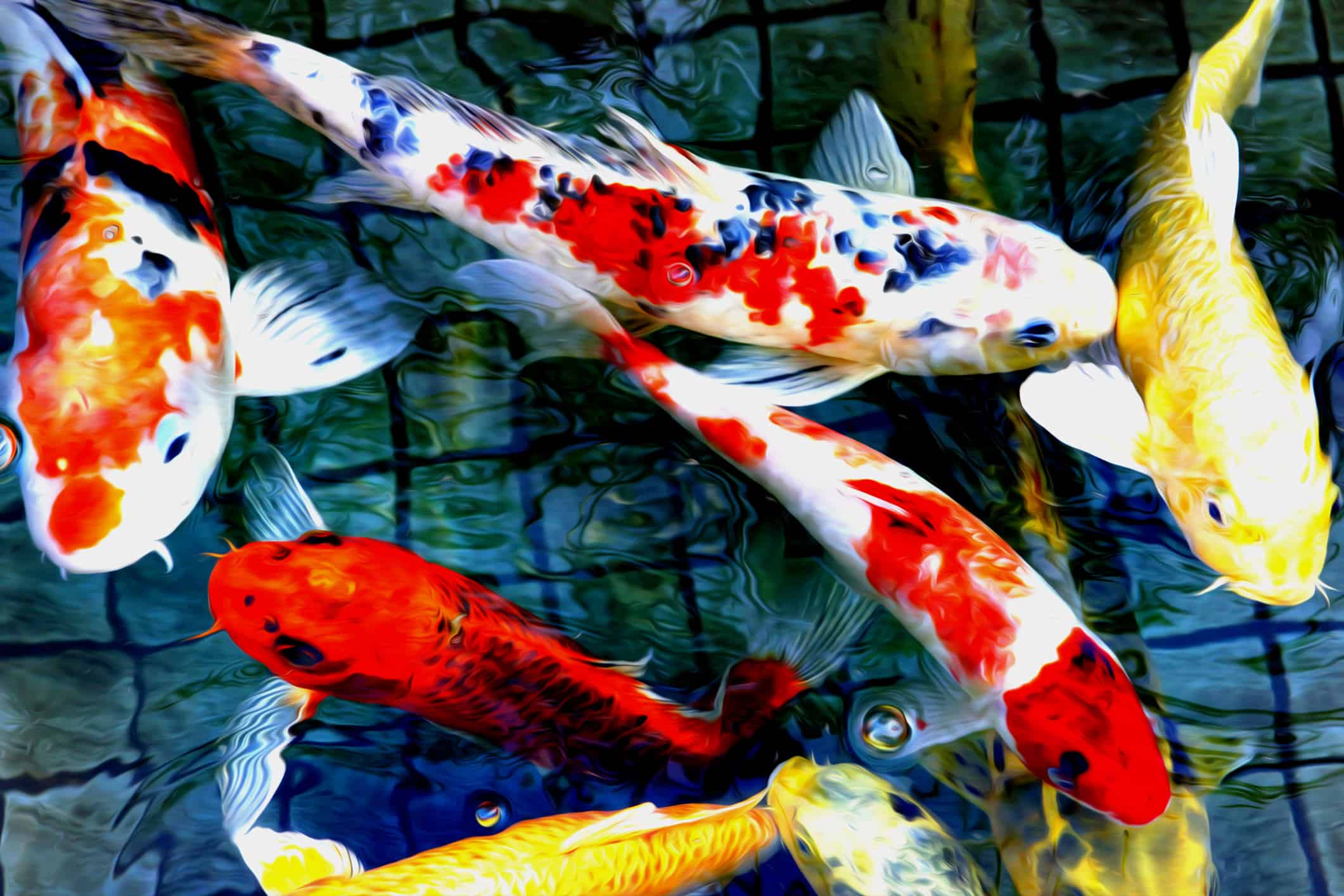
3 core colors make up many koi varieties: red (Hi), white (Shiro), & black (Sumi). Other colors that are commonly seen include yellow, orange, blue, & cream. Some fish may have a silver or gold metallic sheen to their appearance. It is common for koi to be tricolored but they can also be either single, bicolored, or multicolored.

How Long Do Koi Fish Live?
Koi, when provided with the correct environmental conditions, can live between 25-50 years on average. Reports of koi living to 100-200 years do exist—the oldest koi ever documented lived to be 226 years old. Water quality, pond conditions, nutrition, & preventative health care can help improve the longevity of a koi’s lifespan. There are many commercial koi fish foods that are available to pet parents, & can be used exclusively to feed koi & provide complete nutrition. Overfeeding is a common concern that can lead to health issues.

Providing appropriate vet care can help improve the lifespan of any koi. Not all veterinarians will treat fish, so be sure find a veterinarian who specializes in your pet. Organizations such as the American Association of Fish Veterinarians (AAFV) & Find a Fish Vet function can help assist in finding a vet that has experience treating koi."

Cute Critter Pics:


Weekly Chuckle: