Thursday, October 29, 2026

Oct. 21/2026


Some Monkeys Seem to Become Germophobic After Living Through a Disease Outbreak, Just Like Humans

By Sara Hashemi 

Smithsonianmag.com

Oct. 28/2026 

In early 2020, while humans were sanitizing their groceries & obsessively washing their hands to avoid Covid-19, some Japanese macaques in Texas were dealing with their own outbreak in similar ways. After experiencing the spread of a deadly disease at their sanctuary, the monkeys seemed to become germophobic.

In a study published in the journal Royal Society Open Science on October 21, scientists found that macaques that had experienced the outbreak became more wary of food that appeared contaminated. The findings could help researchers pinpoint the evolutionary origins of disgust, which is at the center of what researchers call the behavioral immune system—a collection of strategies that animals use to evade pathogens.

“We can show now, in non-human primates, that this is the same for them,” says study co-author Federico Rossano, a cognitive scientist at the University of California, San Diego, in a statement. “Even with no knowledge of how disease is transmitted, being exposed to others getting sick & dying changes the likelihood of engaging in behaviors that potentially could lead to some form of sickness.”

The study began with an outbreak of simian retrovirus (SRV) among Japanese macaques at the Born Free USA Primate Sanctuary in southern Texas. SRV causes an AIDS-like immunodeficiency & spreads through scratches & bites. Once a monkey is infected via contaminated bodily fluids, the disease “can take a rapid progression, where about 3 to 4 weeks after you initially get infected, you might die,” says study co-author Stephan Kaufhold, a cognitive & behavioral scientist at UC San Diego, to Jonathan Lambert at NPR.

The sanctuary responded to the outbreak by separating, testing, & quarantining groups of monkeys. That created 4 groups: 3 that experienced the outbreak either by getting sick or witnessing others become ill, & one that hadn’t.

To see how those experiences affected the animals, the researchers set up an experiment where the macaques received 2 plates of grapes, a rare treat. On one plate, a red grape sat on a clean surface, while on the other, a grape sat atop epoxy-coated macaque poop. (Previous research suggests these animals will still eat a high-value snack if it’s presented with poop.)

They repeated this experiment across nearly 200 successful trials among 55 sanctuary-born monkeys. Animals that experienced the outbreak ate the contaminated grape in 47% of trials, whereas those that didn’t experience the outbreak consumed it in 79% of trials.

The macaques that lived through the outbreak avoided the contaminated grape more often than those that didn’t witness the illness’ effects, even though they didn’t know how the disease spread. And in the case of SRV, feces has nothing to do with transmission.

“The monkeys see disease & sick individuals & increase their overall sensitivity, even for a transmission route that is completely unrelated to how the disease actually spreads,” Kaufhold tells Ryan Green at the New York Times. What’s more, monkeys from the exposed groups behaved similarly regardless of whether they had been infected; seeing another individual go through the disease was enough.

In a different experiment, the researchers tested 54 macaques of multiple species from various backgrounds—sanctuary-born, zoo-born, laboratory-reared animals & former pets—to see how upbringing might influence their behavior. Analyses revealed that former pets were much more likely to eat the contaminated food than sanctuary-born macaques raised by their moms.

“One possibility is that these monkeys didn’t have the opportunity to learn typical avoidance behaviors from their mothers & other macaques early in life,” Kaufhold explains in the statement. “Even after living with other monkeys for several years, that early experience may still shape how they respond to potential sources of disease.”

While the study didn’t directly look at disgust, the researchers suspect the animals’ post-outbreak avoidance could have something to do with the emotion. “The possibility that things like disgust are influencing the behavior of other species, & especially species like primates, it’s definitely a possibility worth considering,” says Andrew MacIntosh, a biologist at the Canada-based conservation charity Wilder Institute who wasn’t involved in the study, to NPR.

“It seems plausible that past exposure to outbreaks could make individuals more cautious or risk-averse,” he adds, though he would like to see more research to confirm that. Still, one thing is clear: Many of us want to avoid eating a poop-contaminated grape.

Some Monkeys Seem to Become Germophobic After Living Through a Disease Outbreak, Just Like Humans

Cute Critter Pics:


Weekly Chuckle:

Slava Ukraine!!!


Wednesday, October 14, 2026

Oct. 14/2026


Black Bear Gets Caught Red-Handed Breaking Into A Home For Snack Time

By Katy Kroll  

Oct. 1/2026 

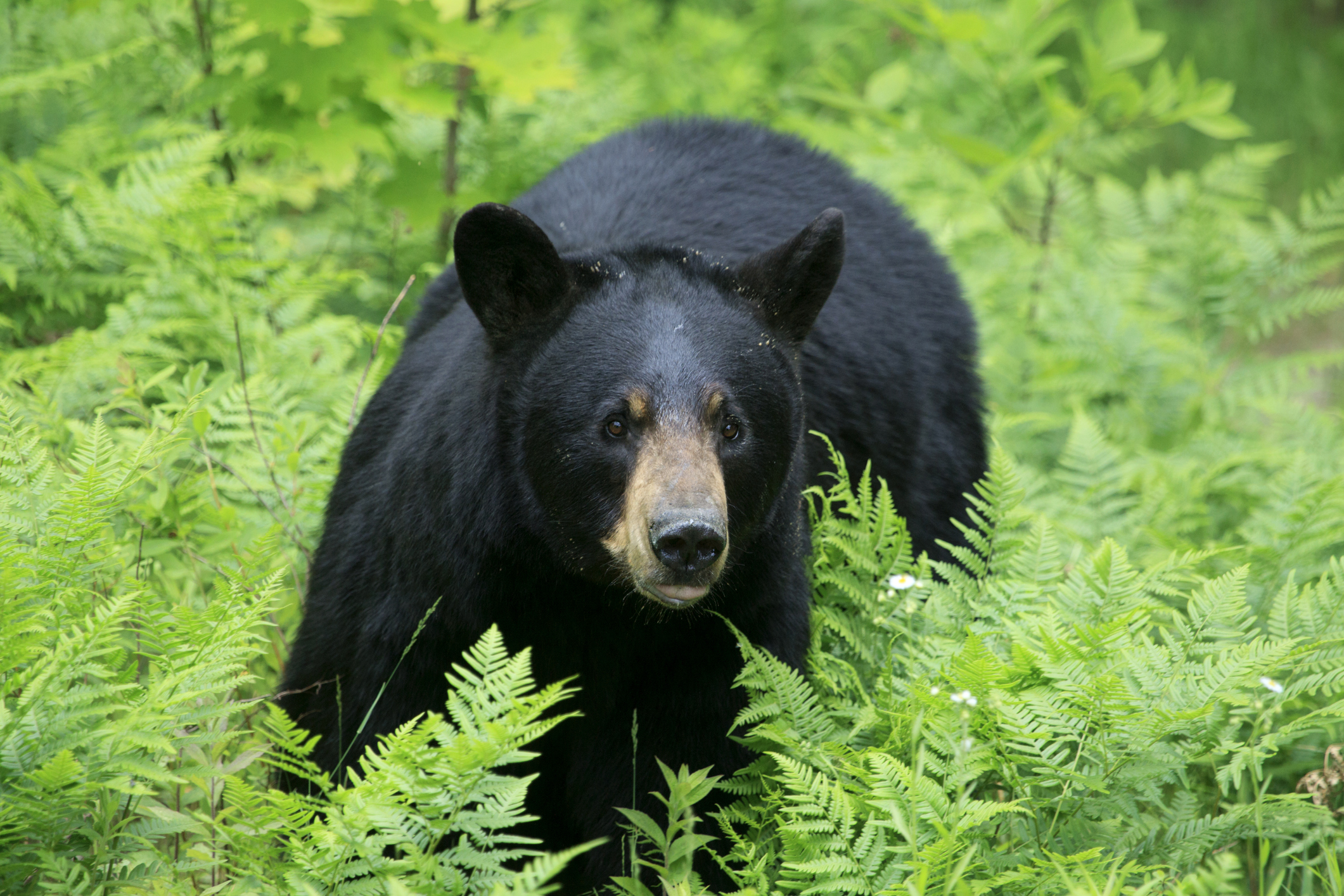
We all know bears love food. From Winnie the Pooh's endless desire for honey to Yogi Bear stealing picnic baskets, the running jokes about bears' love for snacks abound. There's a reason for that stereotype, as real-life bears are known to forage for food around backyards & campgrounds. But wait till you see this black bear who got caught red-handed on camera breaking into a Lake Tahoe home to grab a few snacks! 

In August 2026, some vacationers came back to a surprise at their California cabin — a hungry black bear had broken in & stolen some snacks. In the surveillance clip, you see the bear on the porch casually ripping out a window screen before pulling itself up & disappearing inside, only to come back out with a pack of brioche buns in its mouth. A report by the Sacramento Bee shared that the unexpected visitor also ate some croissants & steaks out on the porch & then wandered back off into the woods.

"I too like brioche buns," said someone on the ABC News X post. Meanwhile, another person added, "Am I the only one who finds those fluffy creatures cute?🥰 If they weren't so dangerous, I would pet them all day! 😆" Forget the picnic basket — this bear went straight for the kitchen!

Black bears are natural foragers

Black bears are basically opportunistic omnivores, meaning they'll eat whatever is available instead of sticking to one favorite meal. A bear might munch on berries, roll a rotten log for insects, or happily snack on unattended people food left behind at a campsite, making them the ultimate foragers. For the most part, black bears eat a plant-based diet, though they do eat smaller animals & fish. The time of year plays a big role in a black bear's daily food hunt. In spring, they often focus on vegetation & scavenge dead animals after emerging from their dens after a long winter. Meanwhile, summer means plenty of insects, nuts & berries, & other easy-to-find snacks. 

In fall, when bears enter an intense period of eating before winter, they can spend much of their day searching for calorie-rich foods to build up fat reserves for hibernation. Of course, sometimes, a bear's idea of a buffet suspiciously looks like someone's backyard when unsecured garbage, bird feeders, & other household goodies can provide an easy meal, which is why bears occasionally wander into neighborhoods. To a hungry bear, a yard can seem like a convenience store, especially when natural food is harder to find, so keep that in mind & just let them pass through with little fanfare.

Read More: https://www.cuteness.com/2267836/black-bear-breaks-into-home-and-steals-snacks/

Cute Critter Pics:


Weekly Chuckle:

Slava Ukraine!!!


Thursday, October 8, 2026

Oct. 7/2026


Why Do Dogs Like Squeaky Toys?

By Jennifer Coates, DVM

Published Apr. 2/2026

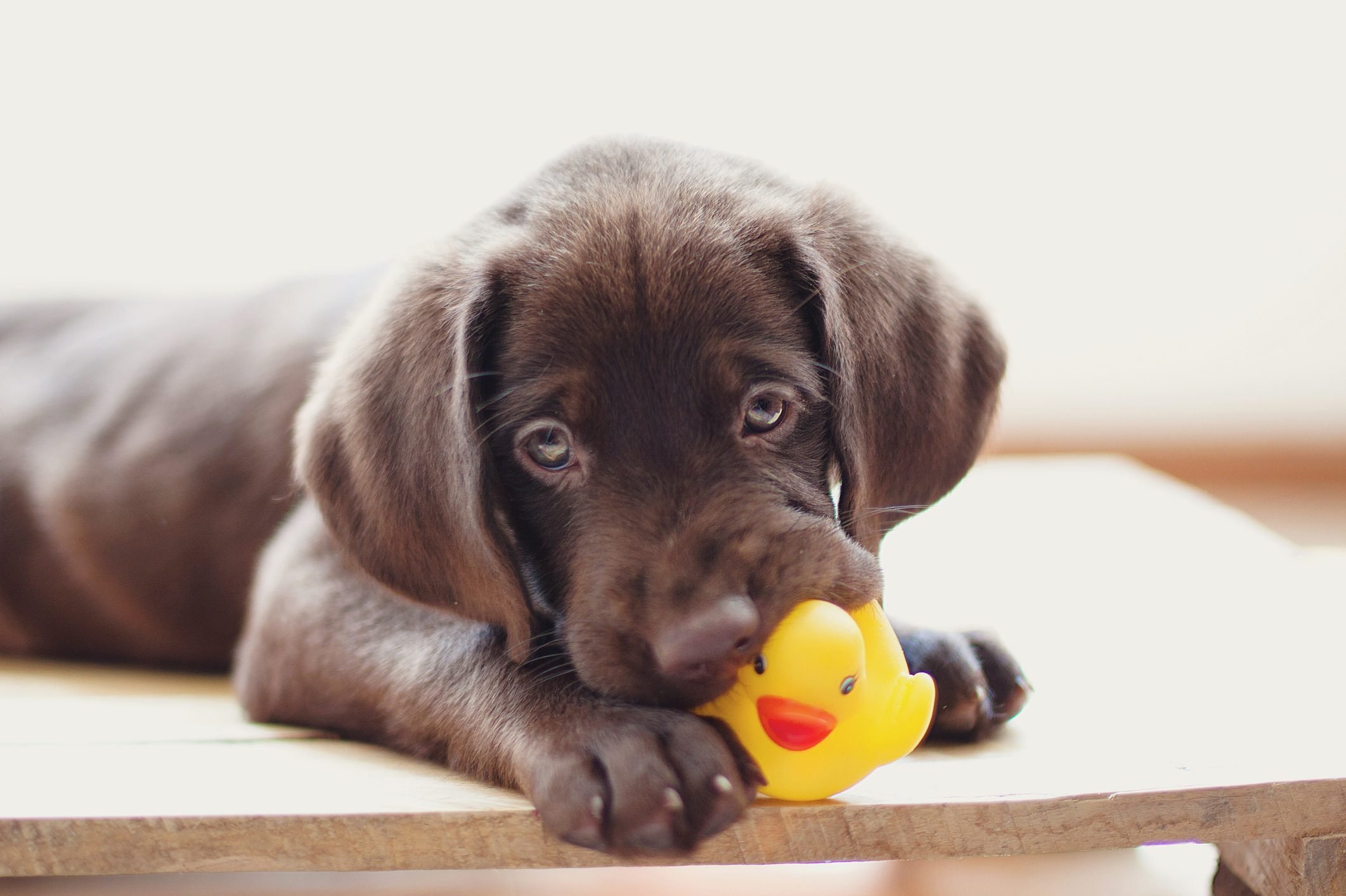
Watching your dog play with a new toy is certainly entertaining, but why do dogs like squeaky toys so much? And if your dog couldn’t care less about them, are they missing out? 

Understanding what drives your dog’s preferences can help you choose better toys & keep playtime as entertaining (& safe!) as possible. 

3 Reasons Why Dogs Like Squeaky Toys

Squeaky dog toys tap into some of a dog’s most deep-seated instincts & desires.  

1. It Triggers Their Prey Drive 

Dogs descend from predators. Even the most pampered pooch has an instinctive predatory sequence that involves hunting, stalking, & catching prey.  

When the hunt is successful (from the dog’s point of view), their prey often lets out a high-pitched sound, which squeaky toys effectively mimic. For many dogs, a toy that makes that noise when it’s bitten is simply irresistible because, to them, it means “I caught something!” 

2. The Sound is Immediately Rewarding 

Dogs can quickly develop strong associations between sounds & rewards—that’s the foundation of clicker training, after all.   

When it comes to chewing on a squeaky toy, each bite produces an instant, rewarding sound indicating success, which keeps dogs coming back for more. 

3. People Reinforce the Behavior 

Squeaky toys are also hard for people to ignore. If you give your dog attention when they’re making noise with a toy, you are providing them with another type of reward, making it more likely they’re going to grab a squeaky toy in the future. 

Are Squeaky Toys Good for Dogs?

Yes, squeaky toys for dogs offer benefits that go beyond simple entertainment. 

Mental stimulation: Boredom in dogs is a real problem, & good toys can provide relief. The best options for keeping dogs engaged for as long as possible produce rewards like squeaks or small treats.  

Stress & anxiety relief: When dogs are stressed or anxious, they need a way to release energy & soothe themselves. A play session with a squeaky toy can do both.  

Provides an outlet for normal behavior: Dogs are natural chewers. Supporting teething puppies is important, but chewing is a natural behavior throughout a dog’s life. A squeaky toy that rewards chewing with noise provides positive feedback. 

The Best Squeaky Toys for Dogs
The best squeaky toy depends on your dog’s size, play style, & how aggressively they chew. Here are five good options: 

GNAWSOME Squeaker Bone Dog Toy: A durable, spiky rubber bone that has a satisfying squeak & comes in 2 sizes. 

FuzzWoof FluffBunny Squeaky Plush Dog Toy: A stuffing-free squeaky toy made with tear-resistant fabric & triple-stitched seams. 

Hartz Dura Play Ball Squeaky Latex Dog Toy: A bacon-scented, latex squeaky ball that is available in 2 sizes & great for games of fetch. 

Frisco Monkey Plush Rope Squeaky Dog Toy: Combines the appeal of a rope toy & a squeaky toy. A good option for dogs who like both tugging & chewing.

Ethical Pet Fun Sloth Squeaky Plush Dog Toy: An adorable plush option for dogs who love carrying their toys around & giving them a good squeak. Available in 2 sizes. 

Always supervise your dog with any new squeaky toy before letting them play with it alone. 

And there’s no need to worry if your dog doesn’t like squeaky toys. You can meet all your dog’s needs in other ways, including quieter puzzle feeders, chews, & other types of dog toys. 

Safety Tips for Dog Squeaky Toys
Squeaky toys are great for most dogs, but they do come with some risks. Here’s what to keep in mind. 

Always Supervise Your Dog With a New Squeaky Toy 
Aggressive chewers can destroy squeaky toys & swallow the squeaker or other parts. If your dog eats their toys, it can lead to dangerous gastrointestinal obstructions that often require surgery to correct.  

Watch your dog the first few times they interact with any new toy to ensure it’s safe for them. 

Match the Toy to Your Dog’s Size & Chewing Behavior 
Large dogs who are powerful chewers need durable toys that don’t fit completely in their mouths. Meanwhile, small dogs & careful chewers can get frustrated with toys that are too big & too tough. 

Rotate Toys to Maintain Interest 
Dogs can become bored with toys that are always left out. Rotate through a selection of squeaky toys to help keep your pup interested. 

Inspect Toys Regularly 
Check all of your dog’s toys, including their squeaky toys, for tears, loose parts, or damage before each play session. A toy that was safe yesterday may not be safe today, so always keep a few replacements on hand. 

Dog Squeaky Toys FAQs

What do dogs think when they hear a squeaky toy?
When a dog is chewing on a toy & hears a squeak, they likely think it sounds like a small prey animal that has been caught. This triggers excitement & the urge to continue biting or shaking the toy.  

Are squeaky toys stimulating for dogs? 
Yes, squeaky toys are both physically & mentally stimulating for dogs. The sound provides immediate feedback that reinforces chewing behavior, & the toy's interactive nature keeps dogs engaged. 

Why do dogs rip out the squeaker from toys?
Some dogs are driven to find the source of the squeaking noise & will destroy a toy in the process. Ripping a squeaker from a toy can be seen as part of a dog’s natural predatory sequence.  

Cute Critter Pics: 


Weekly Chuckle:

Slava Ukraine!!!