100 Years After Vultures Disappeared from These Mts, Their Return Completes ‘Europe’s Yellowstone’
By Andy Corbley
12/4/2025
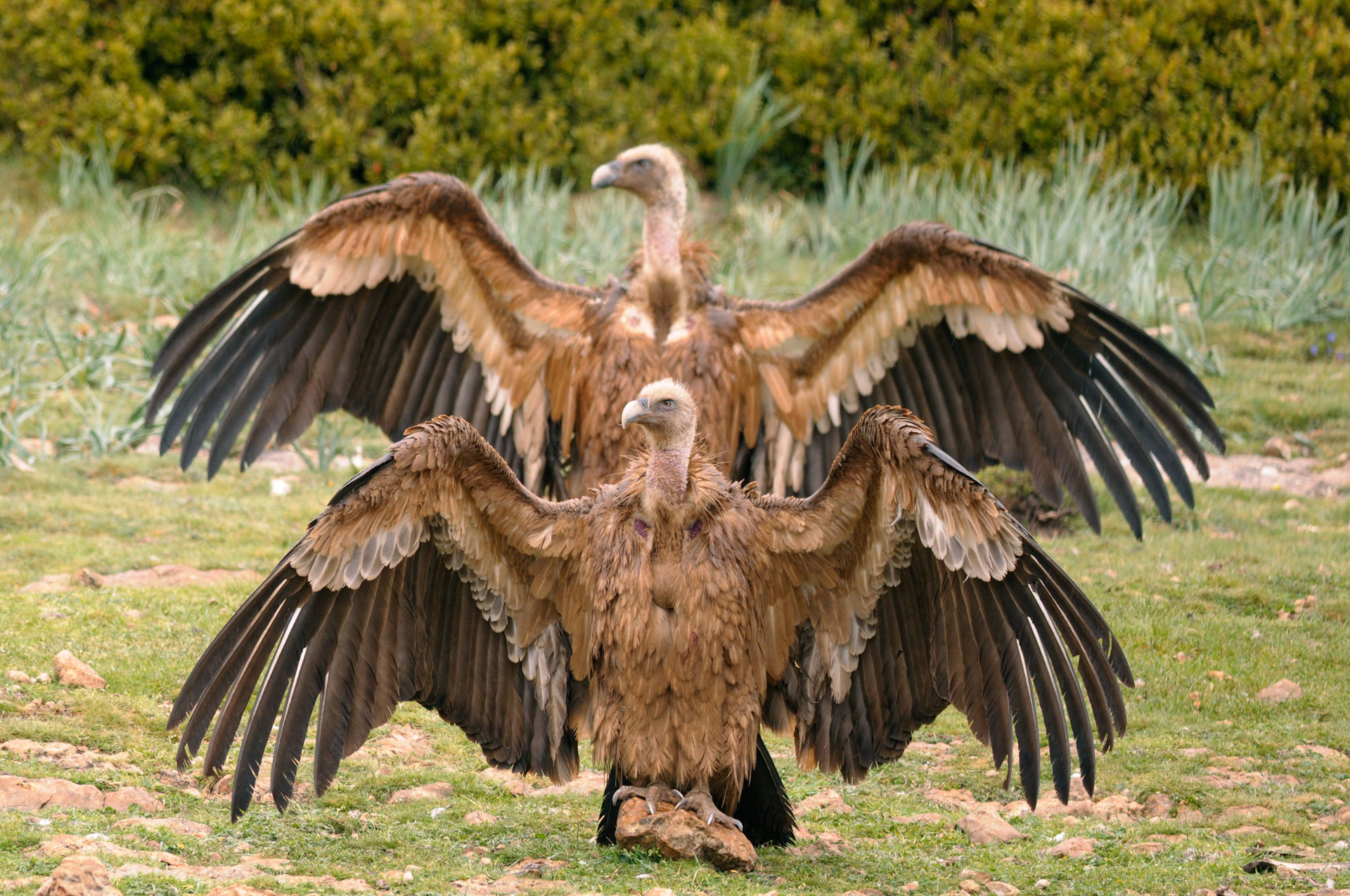
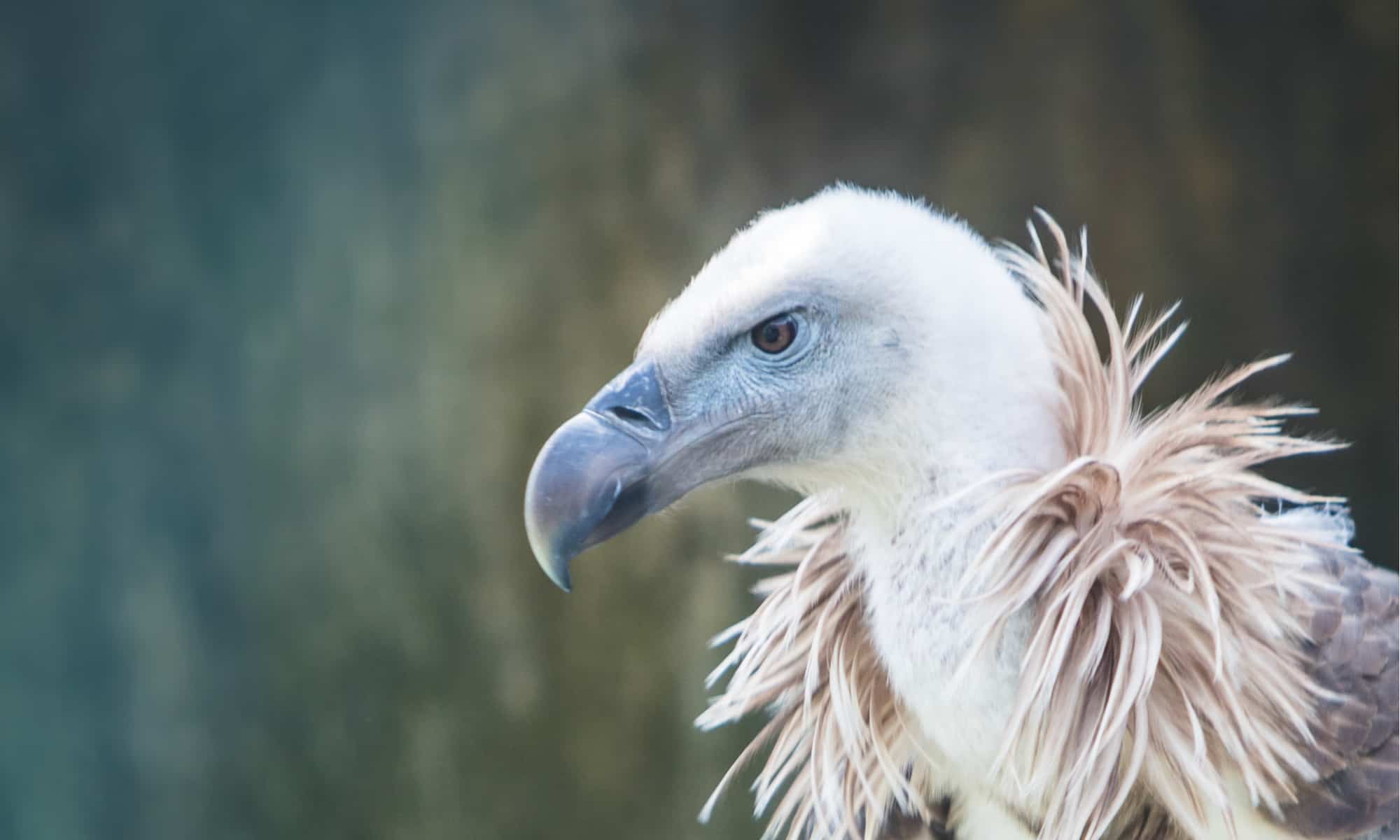
Young griffon vultures are set to be reintroduced to the Carpathian Mountains in Romania, around 100 years after they went extinct there.
The reintroduction is part of a grand vision for “Europe’s Yellowstone,” a national park based in the Carpathians that would boast robust populations of wildlife unrivalled by any ecosystem on the continent.
It began in 2009, when Foundation Conservation Carpathia (FCC), an organization that has been restoring landscapes in the southern Carpathians called the Făgăraș, targeted 3 major species reintroductions to restore the chains of food & function chains that still include Europe’s 3 largest predators: the Eurasian lynx, the wolf, & the brown bear.
With the bison, beaver, & vulture, the Făgăraș would then also have its 3 largest custodians, as the beaver’s effect on rivers, the bison’s effect on the underbrush, & the vulture’s effect on carcasses, are essential for a perfectly functioning ecosystem.
But all 4 native European vulture species have been extirpated in the Carpathians for a century; victims of persecution, habitat loss, & lead poisoning.
Together with the Vulture Conservation Foundation, the FCC aims to reintroduce griffon vultures to the mountains by releasing young birds into large aviaries in-situ to acclimatize to their new surroundings.
“If they are released immediately, they would just fly off & go somewhere else,” said Christoph Promberger, co-founder of FCC.
“The vultures are the last keystone species missing from the Romanian Carpathians. They’re nature’s sanitary police. They’ve been gone for 100 years, it’s time to bring them back.”
Vultures are wide-ranging scavengers, capable of traveling long distances while barely flapping their wings. In 1986, in neighboring Bulgaria to the southeast, there were only 3 pairs of griffon vultures remaining in the wild, but by 2016 they’d made a triumphant return.
Cinereous vultures from Bulgaria have even been recorded flying into the Făgăraș Mountains, & it’s hoped those in Romania will travel just as freely. FCC plans to begin with griffon vultures, & follow-up with cinereous & bearded vultures.
While all 3 species are scavengers by trade, bearded vultures have some of the most acidic stomachs in the animal kingdom, & can swallow animal bones whole to support their diet of marrow. They & the other vultures play a crucial role by cleaning up dead animals & preventing the spread of diseases, while quickly recycling nutrients into the soil through a combination of their messy eating & nutrient rich droppings.
In 2016, the Romanian government adopted a non-binding memorandum for supporting the creation of a Făgăraș Mountains National Park, which they labeled a “European Yellowstone.” Stretching 2,000 square kilometers across the southern end of the Carpathian range, they include the highest mountain peak in Romania, Moldoveanu.
Only about 1.5% of Romania’s land area is protected within its system of 13 national parks. Support for the park is reportedly mixed between locals that are involved in ecotourism, skiing businesses, & logging interests. Bird Guides Europe reports that many now recognize the strong potential for tourism to improve rural livelihoods with small carve outs for sustainable rural economies.
“It’s the local communities who will decide whether they want the park, & many are now saying yes,” said Promberger.
Cute Critter Pics:
Weekly Chuckle:
Slava Ukraine!



No comments:
Post a Comment