
If You Ever See Birds-Of-Paradise, They May Be Playing This Trick On Your Eyes
By Adam Symchuk
6/20/2025
Birds-of-paradise, comprising 45 different species, are primarily recognized by the males' unique & vibrant plumage. Due to their limited geographical range, birds-of-paradise are a rare sight; they are found in tropical forests, with the most prominent populations located on the island of New Guinea. For many bird enthusiasts, encountering one is a once-in-a-lifetime experience; yet, science has now revealed that these colorful creatures emit signals undetectable to the human eye, making the way we look at them entirely different than before.
A study published in February 2025 in the journal Royal Society Open Science offers an insightful new perspective on birds-of-paradise, revealing that they glow under certain lights: UV, blue light, & ultraviolet. Under these conditions, the birds display even more vibrant plumage, with bright green & yellow being observed. Present in 37 of the 45 known birds-of-paradise, these bright colors are produced through biofluorescence, a process in which light is absorbed & then emitted as high-wavelength light, visible only under specific conditions. The study suggests that this light-producing process is utilized in both territorial disputes & in attracting potential mates.

For people, this means that centuries of observing the majestic birds-of-paradise have led them to overlook the full spectrum of colors these radiant birds display to one another. Scientists still have much to learn about how animals perceive the world, as evidenced by other discoveries, from understanding the wild way deer see their environment to gaining deeper insights into unexpected scents that dogs can detect but their owners cannot. Biofluorescence in birds-of-paradise is a remarkable finding, but they are not only the vibrant birds that have been discovered to hide secret colors.
Biofluorescence is being found more often in wildlife
The platypus is already a wonder of nature with its duck bill, venomous leg spurs, & egg-laying traits. Yet in 2020, it was discovered that the unique mammal is also biofluorescent. As adept swimmers, capable of reading electric signals in the water, the study published in Mammalia proposes that they may use light to help confuse & evade predators. In 2019, a team of researchers in the U.S. found that 2 shark species, the swell shark & the chain catshark, distinguished by a uniquely bright & dark patterning, are biofluorescent on the lighter parts of their bodies. Researchers speculate that this process gives these sharks a unique advantage, allowing them to see each other easily & protecting them from certain microscopic organisms.
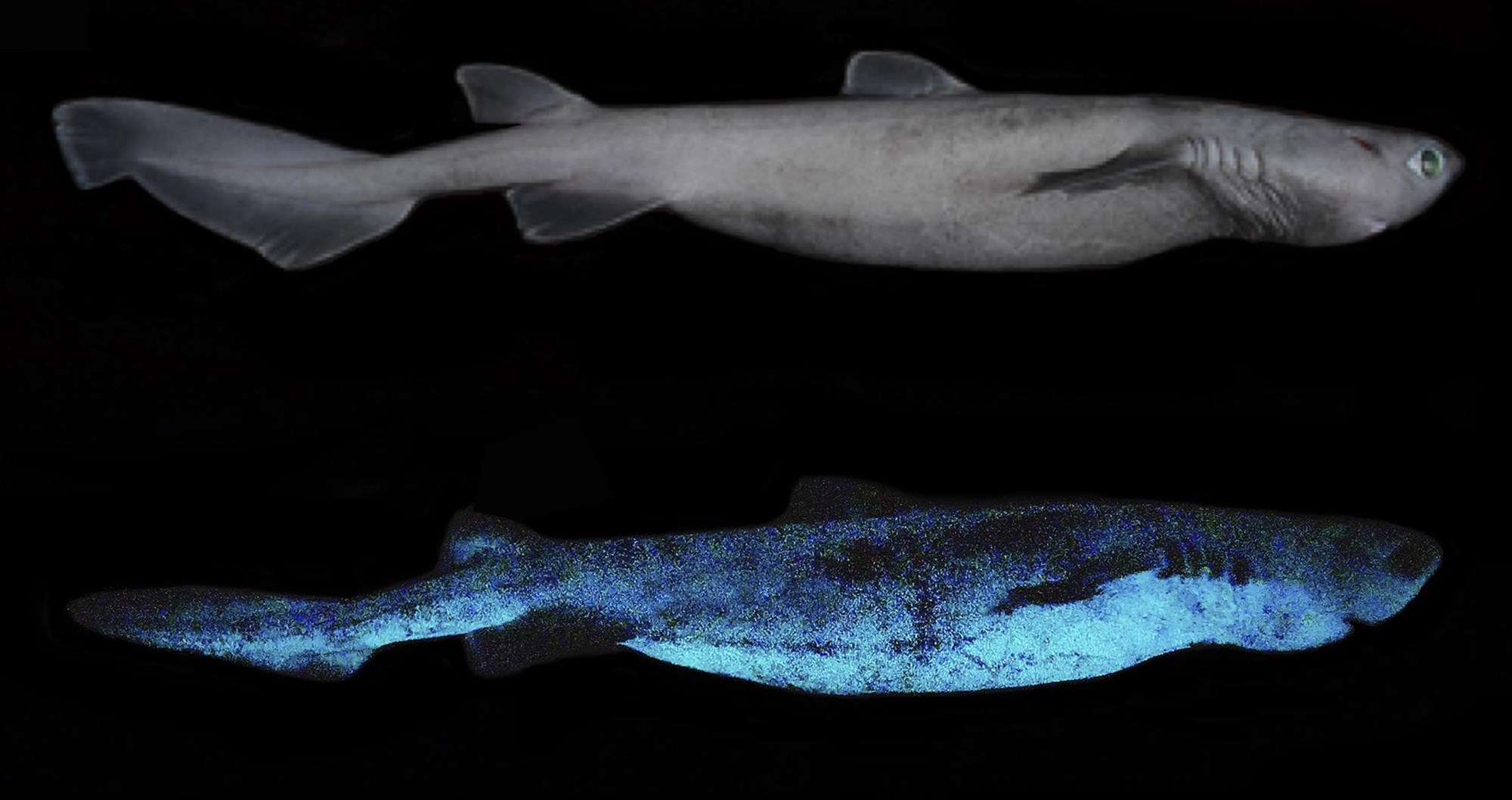
The fact that birds-of-paradise, platypuses, & sharks share a common trait highlights the magnificence of nature. Yet, the recent discovery also reminds us that we still have much more to discover & learn about how animals communicate.
cuteness.com/1887732/if-bird-of-paradise-may-be-playing-trick-on-eyes/
Cute Critter Pics:


Weekly Chuckle:

Slava Ukraine!


No comments:
Post a Comment