Thursday, March 18, 2021

March 17/2021


Feature:

10 amazing animal species native to Ireland

"Ireland... is roughly 10,000 years old. Upon breaking apart from mainland Europe after the last ice age, it only then began to flourish into the rich, temperate island it is today.

Due to its relative youth, it has fewer plant & animal species when compared to Britain or mainland Europe. But don’t think this means there’s any shortage of compelling creatures native to the Emerald Isle.

From tiny nocturnal creatures to the mighty red deer, here is our list of 10 amazing animal species native to Ireland.

10. Irish Hare                                                                          One of the oldest species in Ireland, the Irish hare is an allusive creature, usually found grazing woodland areas. Considerably larger than its rabbit cousin, the hare isn’t here by coincidence.

According to the Hare Preservation Trust, the species had survived the most recent ice age by taking refuge in the tundra-like landscape of the south of Ireland.
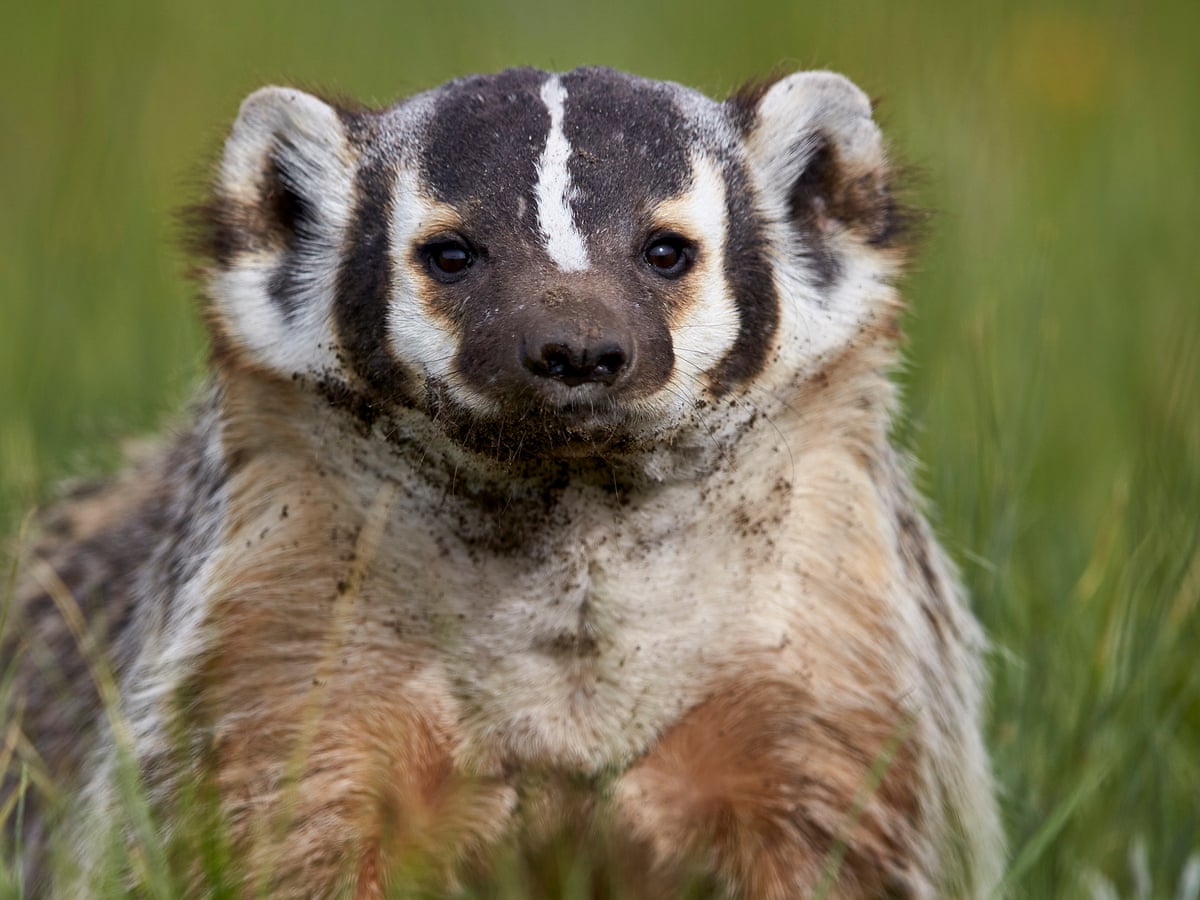
9. Badger
Although found throughout Europe, badgers are mainly residential to Ireland. If you’re planning a walk in the countryside, hedgerows, grasslands, or woodlands around the island after sunset, you may just be lucky enough to spot one of these nocturnal creatures.

They’re usually wary of humans, so respect their desire for space or else you’ll risk the animal getting aggressive.
8. Irish setter
The beautiful Irish setter is a much-loved breed of dog that originates from... Ireland. Although known for their russet-red coat, records indicate that this wasn’t always the case.

Around 400 years ago, the breed used to be red & white, 2 colours that made it easier for hunters to spot them in their fields. It wasn’t until the late 19th century that the breed, as we know them today, became popular.
7. Connemara pony
These majestic creatures are known for their gentle nature & the strong bonds they are able to form with their owners.

Standing at 12.2 to 14.2 hands high, Connemara ponies are the largest breed of pony out there.
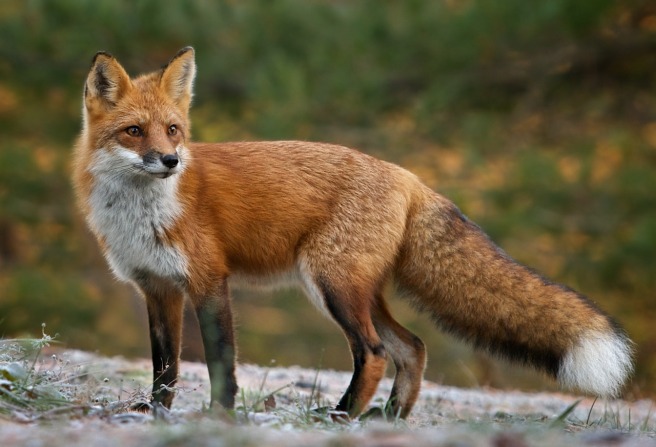
6. Red fox
The largest of all the foxes, the red fox is one of the most amazing animal species native to Ireland—& a beautiful sight to behold in woodland areas of Ireland. They’ve even been spotted in urban areas at times, as they are highly adaptive.

Red foxes tend to stay out of the path of humans, which is understandable given the level to which this striking animal has been hunted by us in the past.
5. Pygmy shrew
The minute pygmy shrew takes the title of Ireland’s smallest mammal, measuring only between 4.5 & 6cm. Although often mistaken for a mouse, these creatures can be distinguished by their smaller body size, more velvet-like fur, & slightly furred tail.

Although largely absent from heavily forested areas, you can find them in grasslands, heaths, & peatlands across the emerald isle.
4. Hedgehog
Adored by cute animal lovers everywhere, hedgehogs have reached 'native' status in Ireland. These gentle creatures are non-territorial & are more at risk from human behaviour than other animals.

Although a common household pet, hedgehogs can be seen in the wild after dark in the countryside. Be careful, though; due to their size & colouring, they can often be missed on the ground beneath your feet.
3. The great Irish elk
The great Irish elk is one of the largest deer to have ever lived in Ireland. Unfortunately, these towering creatures have long been extinct, with most of their antlers & skeletons being found in the country’s bogs.

One theory for their extinction is that their wide-spanning antlers became so big that the animals could no longer support them on their heads. 
2. The viviparous lizard
It’s a well-known legend that Saint Patrick banished snakes from Ireland, & whether or not you believe that to be true, you won’t find any slithering serpents here. In fact, the closest thing you’ll find is the viviparous lizard, Ireland’s only lizard.

Small in size, but with a long tail, this reptile has the ability to regrow its tail should it ever be ripped off by predators.
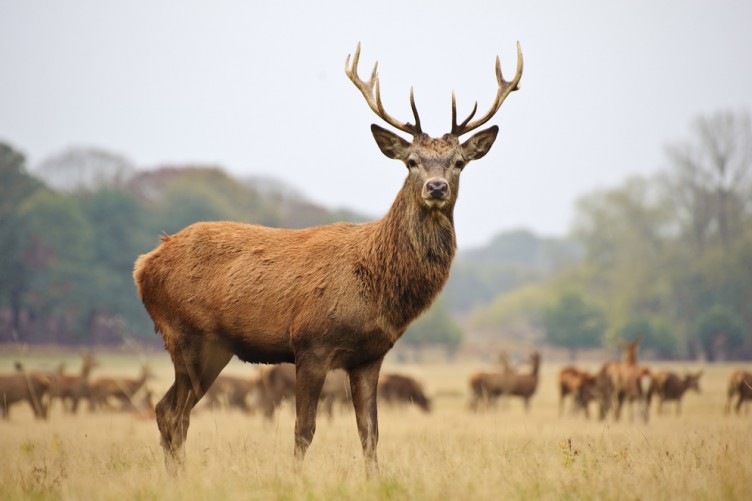
1. Red deer
Believed to have been present in Ireland for at least 12,000 years, the mighty red deer is Ireland’s biggest land mammal, & the only current species of deer considered 'native' to here.

If you’re looking to photograph one of these, you’ll get your best snaps in late September to November & during the winter months, particularly when there is snow on the ground."
Lewis Sloane
irelandbeforeyoudie.com
10/10/2019

Cute Critter Pics: 


Weekly Chuckle:
#StaySafe


Thursday, March 11, 2021

March 10/2021

Feature:

Meet Shasta: Mt. Bachelor’s Newest Avalanche Rescue Dog

"A 10-week-old golden retriever puppy named Shasta was just announced as the newest member to Mt. Bachelor’s avalanche rescue team.

Mt. Bachelor, located in central Oregon, is one of the largest ski resorts in the U.S. with an elevation of 9,065 feet, 360-degree views from its summit, & a vertical drop of 3,365 feet.

The adorable puppy is getting familiar with the mountain & ski resort, while greeting skiers & snowboarders. She is currently traveling with her Ski Patrol handler, Drew Clendenen, by snowmobile but will soon learn to ride the chairlift.

Shasta is the 16th dog to join the Avalanche Dog Rescue Program, which was founded in 1991. She will join 3 other rescue dogs – Riggins, Mango, & Banyon.

The dogs are trained to work with their handlers to find & rescue people trapped under the snow after an avalanche by using their incredible sense of smell.

'Our 4-legged friends have the tremendous advantage of being able to travel at higher speeds over uneven terrain & use their heightened sense of smell to support rescue efforts led by Ski Patrol,' states Mt. Bachelor.

February storms have reportedly dropped over 85″ of snow on the mountain & it keeps snowing! Safety is the top priority for the team, so rescue dogs & Ski Patrol are on the mountain daily training & on the alert for dangerous conditions.

Shasta is just beginning her training & will spend the next year learning the ropes. By next winter, she will be fully trained & ready to help, should the need arise.

'The end goal is you have a dog that uses its nose to smell someone that could be 10 feet in the ground,' Clendenen said. 'The dog is going to alert us by digging or barking … it’s all about a game.'"

 Andrea Powell

goodnews.greatergood.com

Cute Critter Pics:


Weekly Chuckle:

#StaySafe


MWee

eet Shasta: Mt. Bachelor’s Newest Avalanche Rescue Dog

Wednesday, March 3, 2021

March 3/2021


Feature:

A golden catch 

"The odds of catching a yellow lobster are about 1 in 30 million, so you can imagine the celebration that went down when a lobsterman nabbed one off the coast of Maine. Its name is Banana, & it gets its special hue from a pigment in its shell. Luckily, the man who caught Banana knew what a find he had on his hands (or rather, in his bucket), & brought the golden crustacean to the University of New England to be fawned over — er, researched. Banana will now live a life of lobster luxury at the school & may help area universities learn more about the effects of water temperature in the Gulf of Maine. According to a lab coordinator, the lobster of honor weighs about a pound & a half, & is 'settling in nicely.'"

CNN's Good Stuff

CNN.com

Feb. 13/2021

Cute Critter Pics:


Weekly Chuckle:


#StaySafe


Thursday, February 25, 2021

Feb. 24/2021


Feature:
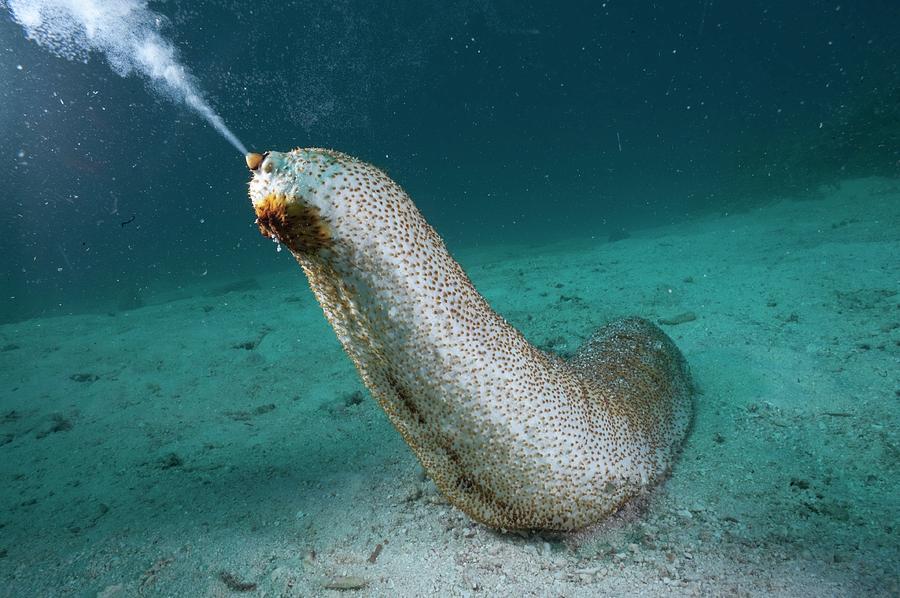
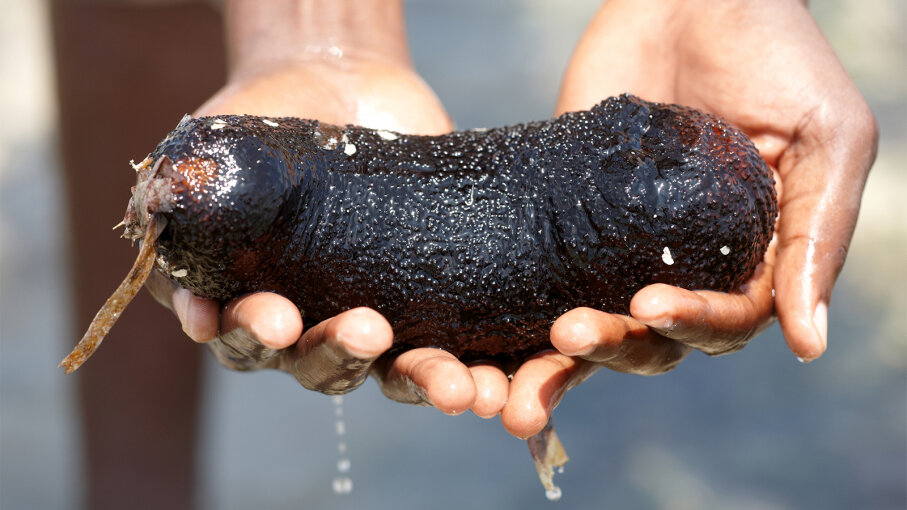
Sea cucumbers pinch out '5 Eiffel Towers worth' of poop per reef, per year
"Sea cucumbers — those chubby tubes of flesh that scooch around the ocean floor — have a very special talent: The tubular creatures are elite poopers, collectively expelling more than 70,000 tons (64,000 metric tons) of sandy poop out of their bottoms each year.

That's not an estimate for the entire globe; that's how much sea cucumbers poop on a single coral reef, per year. And even that tremendous number may be an underestimate, according to a new study...
...scientists studied sea cucumbers living on Heron Island Reef, a 7.3-square-mile (19 square km)...located at the southern end of Australia's Great Barrier Reef. The team used drones to collect video footage around the edge of the lagoon, in shallow areas of the reef known as flats, & then counted the sea cucumbers caught on camera. 

From these samples, they extrapolated that more than 3 million cucumbers live across all the reef flats of Heron Island.

... the team ran feeding experiments with the most abundant of the cucumber species, the black sea cucumber or lollyfish (Holothuria atra). They found that a single sea cucumber defecates about 1.3 ounces (38 gm) of poop per day, & would therefore produce about 30.8 pounds (14 kg) of poop per year. 

So altogether, the army of 3 million squidgy sea cucumbers living on Heron Island reef produce 10s of thousands of tons of poop each year, slightly more than the mass of five Eiffel Towers... 
Even 'this was a huge underestimate of poop, because we didn't include the reef lagoon,' study author Vincent Raoult, a marine ecologist at the University of Newcastle, said in a tweet. 'Imagine on a global scale' just how much poop sea cucumbers dump into their local ecosystems, he added.

Why should we care about sea cucumber poop? Their droppings are critical to the health of ocean ecosystems, particularly coral reefs.

Like underwater earthworms, sea cucumbers gobble up organic matter on the ocean floor, including tiny pieces of algae & marine creatures...The digestion process breaks down this matter, releasing beneficial byproducts that get pooped out along with any indigestible sand that the cucumbers consume. 

These byproducts include calcium carbonate, a key ingredient in coral formation, & ammonia, which acts as a fertilizer & promotes coral growth. Sea cucumber poop is also slightly basic, meaning it lowers the acidity of the surrounding water; less acidic conditions also help coral form their calcium carbonate skeletons... 
'Sea cucumbers turn over sediment, which can aerate the sediment & release nutrients (food) to other organisms on coral reefs,' study author Jane Williamson, a marine ecologist & fisheries biologist at Macquarie University in Sydney, told Live Science... If sea cucumbers didn't swallow & poop out the sediment, 'these nutrients remain trapped & useless to other animals & plants.'

Despite their important role in reef ecosystems, overfishing threatens sea cucumber populations worldwide. Currently, 7 species are endangered & 9 are 'vulnerable to extinction,' according to a statement from the University of Newcastle. 'The reduction in density means that less sediment is turned over,' Williamson said. In other words, fewer sea cucumbers mean less sea cucumber poop, which poses a potential threat to coral reefs.

In sharing their new research, the team has found that 'people love the idea that poop is important,' Williamson noted. 'Everyone poops, so I guess it's something that people can relate to?' she said. "
Nicoletta Lanese 
livescience.com
Feb. 5/2021

Cute Critter Pics: 


Weekly Chuckle:

#StaySafe


Saturday, February 20, 2021

Feb. 17/2021


Feature:

Elizabeth Ann the Black-Footed Ferret Is the First-Ever Cloned Endangered U.S. Species

"Scientists are introducing the world to a black-footed ferret named Elizabeth Ann — the first-ever endangered U.S. species to be cloned.

Elizabeth Ann was born on Dec. 10 after being created from the frozen cells of another black-footed ferret named Willa, who died over 30 years ago, according to the U.S. Fish & Wildlife Service.  

Once thought to be completely extinct, a small population of black-footed ferrets — one of North America's rarest land mammals — was discovered in 1981 by a Wyoming rancher...

Elizabeth Ann's story truly began in 1988, when the Wyoming department sent frozen cell samples from a black-footed ferret named Willa to San Diego Zoo Global's Frozen Zoo. 


Subsequent genetic studies showed that Willa's samples 'possessed 3 times more unique variations than the living population.' 

In 2013, the Fish & Wildlife Service began working with Revive & Restore, a organization that focuses on using biotechnology to help bolster conservation efforts.

Then in 2018, Revive & Restore received the 'first-ever recovery permit for cloning research of an endangered species,'  & they partnered with ViaGen Pets & Equine to successfully create embryos from frozen black-footed ferret cells,& implant them into a surrogate.

Although the entire process was years in the making, scientists didn't have to wait long for Elizabeth Ann's arrival.


Just 2 weeks after their first trial began on Halloween, scientists confirmed the surrogate was pregnant — & on Dec. 10, Elizabeth Ann arrived via C-section, according to The New York Times.


As for Elizabeth Ann's future, she'll live out the rest of her life at Colorado's Ferret Conservation Center — & hopefully add some cloned siblings, & mates, to her family. 

'San Diego Zoo Global's Frozen Zoo was created more than 40 years ago with the hope that it would provide solutions to future conservation challenges,' Oliver Ryder, the director of conservation genetics at San Diego Zoo Global, said in a press release. 'We are delighted that we have been able to cryobank &, years later, provide viable cell cultures for this groundbreaking project.' 

'It was a commitment to seeing this species survive that has led to the successful birth of Elizabeth Ann. To see her now thriving ushers in a new era for her species & for conservation-dependent species everywhere,' added Ryan Phelan, Revive & Restore's executive director. 'She is a win for biodiversity & for genetic rescue.'"

By Maria Pasquini 

Feb. 19/2021

people.com

Cute Critter Pics:


Weekly Chuckle:
#StaySafe