Showing posts with label Cats. Show all posts

Wednesday, December 17, 2025

Dec. 17/2025


Science Says Cats Are One Of The World's Most Invasive Species. Here's Why

By Cori Chapman   

12/20/2024 
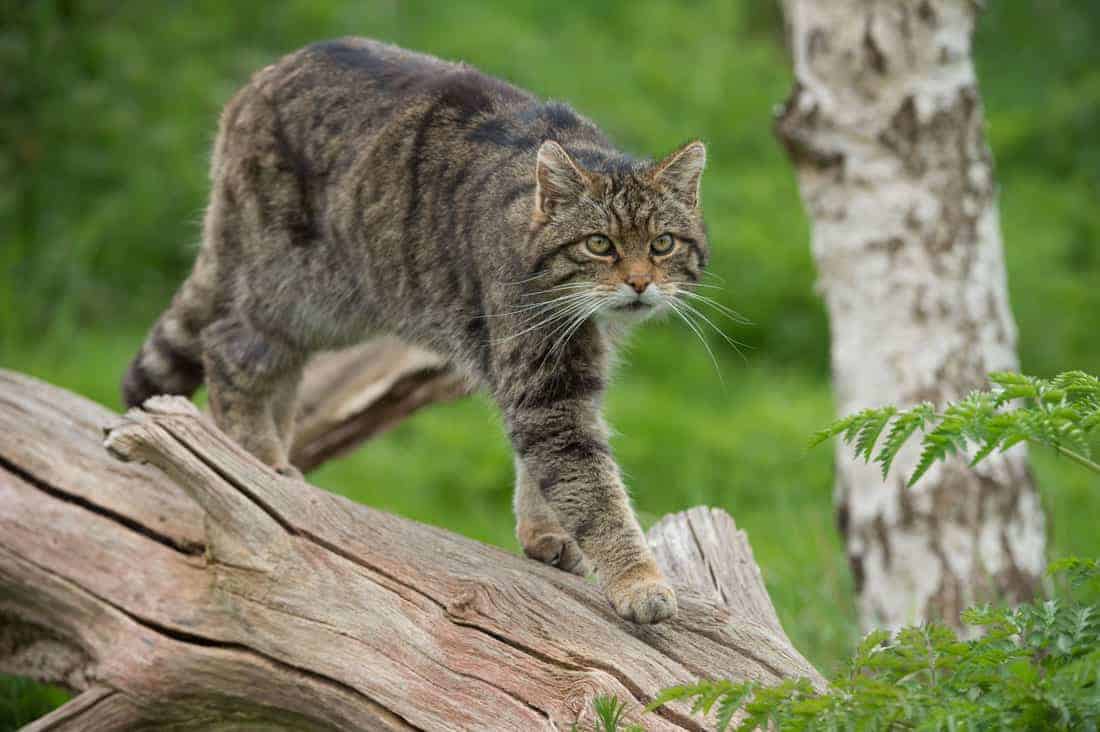
It can be easy to forget that the adorable bundle of fur curled up in your lap is actually a prolific hunter. There's a scientific reason that even domesticated cats bring home dead animals when let outside — it's in their nature. It is this natural disposition towards stalking & pursuit, coupled with the feline ability to reproduce quickly, that has made domestic cats one of the most invasive species in the world.

The U.S. Geological Survey (USGS) defines an invasive species as a "nonnative organism (disease, parasite, plant, or animal) that begins to spread or expand its range from the site of its original introduction & that has the potential to cause harm to the environment, the economy, or to human health." The descendants of wild cats, the domestic & feral felines we know today arrived in North America alongside colonists from Europe. Cats kill billions of birds & mammals each year in the United States alone, per Forbes. In fact, a 2016 study conducted by Proceedings of the National Academy of Sciences (PNAS) revealed that felines are responsible for the extinction of approximately 63 species.
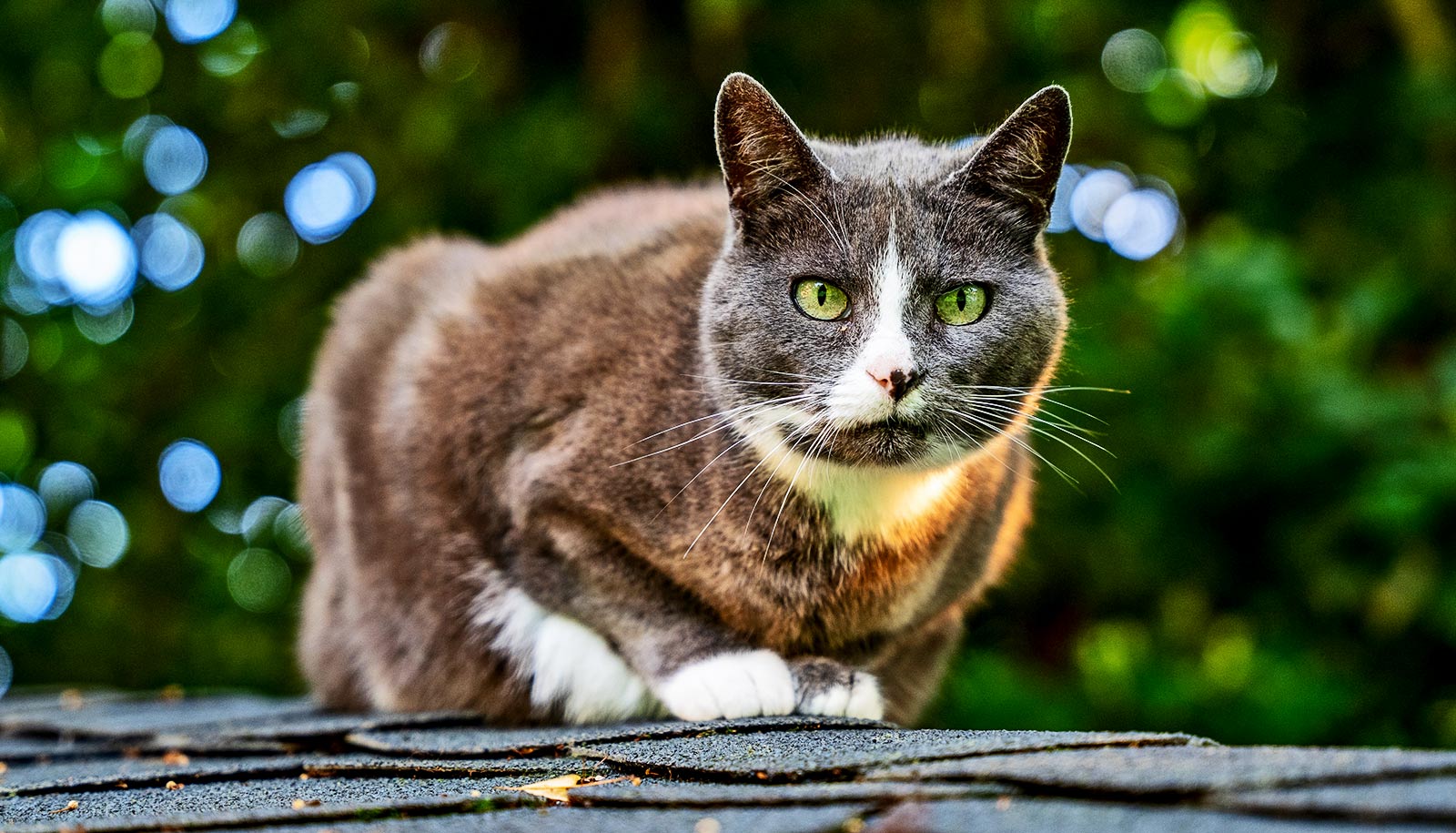
                         

Cats have a diet made up of approximately over 2,000 different species, providing a fairly definitive answer in the debate over whether felines are omnivores or carnivores. In 2023, Nature Communications published a study that determined that 347 of these species are endangered or extinct, with the list including birds, reptiles, & small mammals. Though they don't view them as prey, felines can even cause harm to humans.

Feral & outdoor cats are the main problem

Cats, especially those of the feral variety, can be detrimental to human health through the transmission of rabies or toxoplasmosis, a parasitic infection that result from exposure to cat feces (though this is primarily only a concern if the feline in question has eaten infected raw meat). While you likely don't have to worry about getting toxoplasmosis from scooping the litter box of your strictly indoor cat, indoor-outdoor felines could be carriers. Meanwhile, feral cats may choose to poop just about anywhere.

To add to this, unaltered outdoor cats reproduce at seemingly lightning speed. Shelters are often overwhelmed because of the constant influx of stray or unwanted felines, hence the term "kitten season," which ramps up as the weather turns warm (or remains consistent all year in more temperate climates). Feral cats typically aren't spayed or neutered, & therefore contribute to the rapid increase in number. In fact, one female cat can account for up to 180 kittens if not spayed (per Forbes). 

While the realization that felines are an invasive species might be distressing, kitty lovers can take key steps to help minimize the impact of cats on their local ecosystem. For instance, programs such as trap-neuter-return (TNR), a potentially life-saving alternative to kill shelters, seek to control the feral cat population by preventing more litters. While this approach may assist in addressing the population aspect, felines still contribute to the extinction of other species. The best way to combat their invasive nature it get your own cats spayed or neutered & keep them indoors. This will also give you the strongest chance of getting to spend as much time with your beloved pet as possible, as indoor cats tend to live for a decade or more longer than their outdoor counterparts, according to University of California-Davis (via PetMD).

Read More: https://www.cuteness.com/1739792/why-cats-among-worlds-most-invasive-species/

Cute Christmas Critters:


Christmas Chuckle:

Slava Ukraine!


Thursday, August 28, 2025

Aug. 27/2025


10 Fun Facts About Cats

By Sandra C. Mitchell, DVM, DABVP

5/9/ 2023

Cats are unique animals, adored for both cuteness & behavior quirks, like their obsession with knocking things off tables & their headbutting love language. But there’s so much more to know (& love!) about cats. Here are some well-hidden secrets & fun facts about cats.

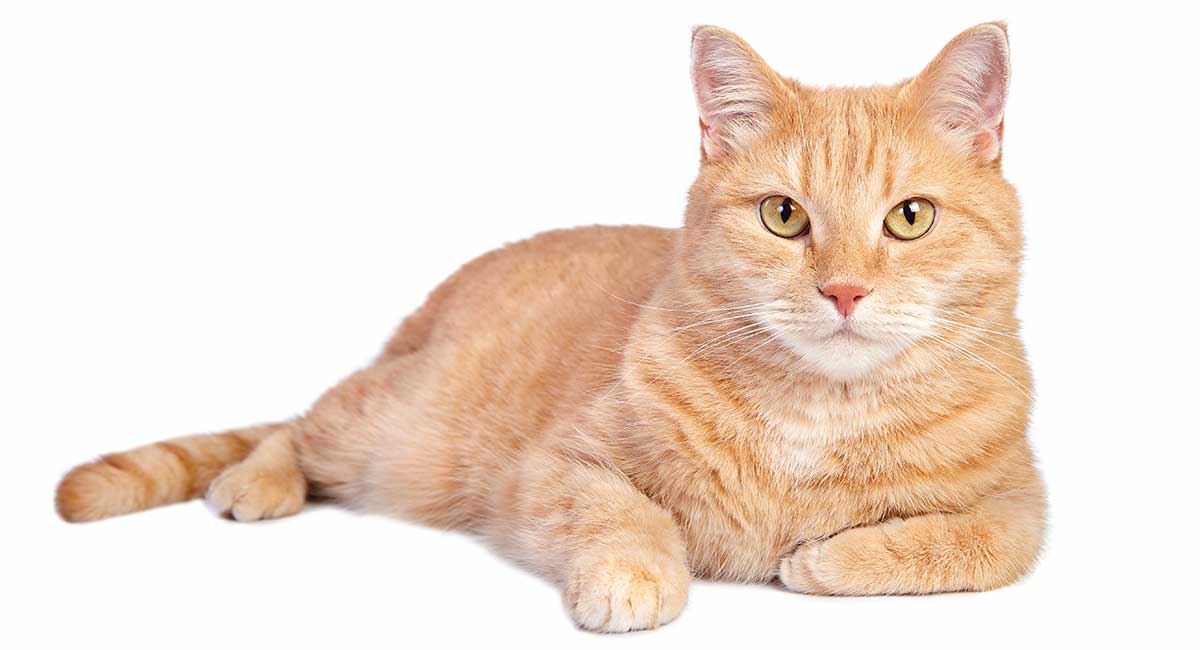
1. Only 20% of Orange Cats Are Female

Female cats have 2 X chromosomes (XX), while a male cat has one X chromosome & one Y chromosome (XY). Color in cats is mostly related to their sex because the gene causing color is on the X chromosome.

Because a male cat has only one X gene, if that X chromosome has the orange gene, he will be orange. This means that if an orange female cat has a litter of kittens, all the males will be orange—regardless of their dad’s color. But a female cat will only be orange if both of those X chromosomes carry the orange color, meaning both parents must be orange to create an orange female kitten.

We don’t actually know what percentage of cats are orange, but there are estimates that it’s somewhere between 2–5% of all cats. So if your kitty is an orange female, she belongs to an elite club!

2. Cats Have Fewer Taste Buds Than Dogs or People

Cats have about 473 taste buds, which is far fewer than people (we have 9,000) or dogs (who have 1,700). Cats can taste savory, salty, bitter, & sour flavors, but they don’t taste sweets.

But don’t be too sad that your kitty can’t taste ice cream—as obligate carnivores, they’re happy to stick to eating meat.

3. Cats Don’t Get Cavities

This doesn’t mean that cats don’t get dental disease—in fact, up to 90% of cats more than 4 years old have dental problems. However, they don’t get the types of cavities that people do, in part because of the pointed shape of cat teeth (compared to the flat teeth in humans).

Instead, cats get feline resorptive lesions, in which the dentin wears away, leaving them with a painful mouth. Cats also get gingivitis, stomatitis, & periodontal disease.

Dental disease is not just painful; it can shorten the life of your cat. Keep up with regular tooth brushing at home with a cat-friendly toothpaste & schedule dental cleanings as recommended by your vet.

4. Many Cats Get the Zoomies After Using the Litter Box

Think of it as sort of a victory lap. Lots of cats will run like crazy after using the litter pan for a bowel movement. But sometimes they’ll run away from the box if the experience was uncomfortable—such as if they were constipated or have swelling in the gastrointestinal or urinary tract.

If your cat shows any unusual bathroom habits, discuss these zoomies with your veterinarian. But for most cats, post-pooping zoomies are just a way to celebrate a job well done.

5. Cat Whiskers Are as Sensitive as Human Fingertips

Cat whiskers are thicker & coarser than regular fur & have roots that are 3 times deeper. They are strategically located on the cat’s face to provide sensory equipment to help guide a cat through the day, aiding vision & helping the cat to navigate, much like antennae on insects.

Although the number of whiskers will vary by breed, most cats have 12 whiskers arranged in 4 rows on each cheek. These whiskers are very sensitive, & this part of the face also contains small glands that smell like your cat. This is one reason many cats love to have their faces rubbed!

6. Cats are Nearsighted, but See Great in the Dark

This is all thanks to those sensitive whiskers! Compared to humans, cats are nearsighted because their eyes are so large & placed so forward on their face. In fact, they can’t focus on anything less than 1 foot in front of them. This is where the whiskers come into play, as they can swing the whiskers forward to feel in front of them.

However, they make up for this nearsightedness with an excellent ability to see in the dark. Cats have extra dark-specializing cells called rods & a “reflective mirror” called a tapetum in the back of the eye. These work together, so cats can see light at 8 times dimmer illumination than you can.

7. Cats Have the Same Number of Brain Cells in Their Cerebral Cortex as Brown Bears

Even though a bear’s brain is 10 times bigger than a cat brain, cats have about the same number of information processing cells. The cerebral cortex of a bear has 251 million cells, while the tabby has about 250 million cells.

This still pales in comparison to humans, however—we have up to 26 billion cells in our cerebral cortexes.

8. Cats Use Dewclaws To Help Them Grip

The dewclaw is the tiny little claw found up on the inner wrist of your cat—the one that is hard to clip & that overgrows very quickly.  Technically, the dewclaw is very similar to the human thumb, although it isn’t opposable. But cats can use it very effectively to grip onto a tree when climbing or to hold onto prey when hunting.

Dewclaws on cats rarely cause problems, but they will sometimes overgrow if they’re not trimmed regularly. In most cases, it isn’t necessary to surgically remove a cat’s dewclaws. And, like all other cat claws, it serves a function that your cat would miss if it wasn’t there.

9. That Adorable Paunch on a Cat’s Belly Is Also Found in Lions & Tigers

That swinging, dangling pouch on your cat’s belly is actually a normal structure found in all cats—wild & domestic. However, it’s important to tell the difference between a normal pouch & a big fat pad associated with obesity. But don’t worry—your veterinarian will tell you if your cat is overweight.

There are several thoughts as to why cats get these pouches. Some think this is a padded layer meant to protect the internal organs during a fight. The pouch may also simply provide some extra skin that lets them widely spread their legs when running. Or, because wild cats tend to eat a lot when they catch prey, it might just be room to expand after a large meal. Whatever the reason, it certainly is a cute part of your cat.

10. Cats That Scratch Furniture Are Often Marking Their Territory

Cats have tiny scent glands on their feet, & when they scratch furniture they leave just a little bit of their smell on it. This tells other cats, “This sofa is in my territory, & these are my people—keep away!” Additionally, shredded corners of a couch or chair are a visual sign of your cat’s space. So although you don’t want your cat destroying your furniture, the scratching is a signal that they love you & their space.

One step to teaching your cat not to ruin your furniture is to provide them a large, sturdy cat tree or scratching post they’re allowed to mark. If possible, place it near their favorite forbidden piece of furniture. This way they have something they are allowed to claim as their own.

10 Fun Facts About Cats | PetMD

Cute Critter Pics: 


Weekly Chuckle:

Slava Ukraine!


Sunday, September 26, 2021

Sept. 22/2021


Do Cats Only Love Us Because We Feed Them?

"Of course cats love us because we feed them. But they don't love us just because we feed them. Cats are very capable of obtaining their own meals. After all, as we cat lovers know, they even try to feed us sometimes. Who hasn't overcome disgust to praise the kitty when she drops a small dead creature at our feet?🐭

Cats show they care in different & far more subtle ways than dogs. Because of these differences & subtleties, some people say that cats do not show affection...

How do cats show affection?

The most common mistake people make is comparing cat behavior to dog behavior. Apples 🍎& oranges. No, apples & semi trucks. They could not be more different.

Dogs show affection by wagging their tails & dancing around ecstatically when you return from a 5 minute absence. Cats show affection with eye contact, slow blinks, purring, & rubbing up against you.

Cat lovers know that calm, studied look of love & … wait for it … the soft, slow blinks that some call cat kisses. Think about it. If you didn't like someone would you maintain steady, gentle eye contact with them? Of course not. Sustained eye contact invites interaction. Not something you want with someone you don't care for.

Cats have excellent communication skills. You just have to learn their language. Understated & at times complex combinations of behaviors are their way of showing us that they love & trust us.

Scientific evidence that cats love us

In a research study conducted at Oregon State University, over half of the cats involved in the project chose human company above toys, food or intriguing smells (gerbils & catnip). 11% of the cats studied went for the toy. 37% were just interested in chowing down. A whopping 52% wanted to hang out with a human above all else.

Ainsworth Strange Situation Tests done on cats showed that they clearly preferred their owners over someone they did not know. These tests were based on a procedure that was designed in the 1970s by Mary Ainsworth, a developmental psychologist. She wanted to observe attachments between children & their caretakers.

In the cat test, cats were placed in a room first alone, then with their owners, then with a stranger. The cats were more at ease, to the point that they explored the room, when their owners were present. They played with their owners & followed them around. But they did not do this with the stranger.

What the cynics say

A more cynical viewpoint of cat behavior comes from a study done by Lincoln University in the U.K. Researchers there concluded that cats do not look to their owners for safety or security like dogs do. They're more independent...

Some say that a cat rubbing on you is more a display of ownership than affection. One instinctive cat behavior is territory marking. When a cat rubs on you the scent glands in his cheeks release pheromones that tell other cats, 'Off limits. This human is mine.'

When our cat brings us a dead or the dreaded half-dead mouse🐭 or bird 🐦, we like to think of it as our kitty bringing us a present. Others think this behavior implies that our cat thinks we're too weak or too dumb to do our own hunting. Whatever. Even if the latter explanation is correct, it still shows our cat loves us, doesn't it?

The bottom line on cat love

The way cats behave is closer to their wild ancestors than dogs. Dogs were first domesticated between 20,000 to 40,000 years ago. Cats have only cohabited with humans for about 9,000 years. While many a dog would not be able to survive without us, most cats could.

Given the relatively short period of time cats & humans have shared living space, it's easy to see why cat behaviors are more aligned with their instincts than their desire to please us. But this doesn't mean they're entirely self-serving. While cats may prefer to interact with us, they don't rely on us the way dogs do. Cats choose to be with us. What better an expression of love is there than that?"

LD Withaar 

Jan. 23/ 2019

cuteness.com

Cute Critter Pics: 


Weekly Chuckle:


Wednesday, October 30, 2019

Oct. 30/2019


Feature:
Why Do Cats Cover Their Faces When They Sleep?
     “Your purring pal sure makes sleep look easy. She passes out on the back of the sofa, while sprawled out in the middle of the living room floor & even on top of that fresh basket of clean laundry. But one thing always makes you raise an eyebrow: She tends to cover her face while snoozing. This is just one of those little behaviors that virtually all cats do.

It’s Comfy
     Think of all the positions you sleep in. You may start out on your back with your arms by your side, but by the time morning rolls around, you're lying diagonal with one arm across your chest & the other one flung up over your head. It's comfortable for you -- plain & simple. Same thing applies in the feline world…because that happens to be the most comfortable position…

Built-In Sunglasses
     If you haven't already noticed, your fur ball will catch some z's anyplace it's warm. Kitties prefer sleeping where it's toasty & cozy. The downfall of zoning out on the rug & catching that one single beam of sun is that it goes right into her sensitive little eyes. Fortunately, her 2 front paws act like sunglasses when she covers her face, shielding her eyes from the sun's painfully bright rays.

Security
     Cats need to feel secure at all times. That's not an easy task during a snooze session… Burying her head in a dark secure spot, gives her a sense of security. She doesn't always feel like hiding under something though -- sometimes she just wants to sleep in her favorite wide-open spot on the couch. The only thing she can do for security is cover her face. It may not look safe, but she feels fully protected.

Too Tired to Move
     Your high-maintenance ball of fur spends roughly 1/3 of her waking hours grooming herself, PAWS Chicago explains. That's a lot of work to stay clean & pretty. So naturally, she gets warn out easily. During her grooming session, she could start to zone out from pure exhaustion while cleaning her face. So her paw just lands right there, over her eyes, because making the extra effort to move it back down towards her body takes too much effort.”
                                                   
Ryan Tronier
 Cuteness.com
Cute Critter Pic

Weekly Chuckle
Happy Halloween!

Memorial
Minette (2012) RIP


Wednesday, June 19, 2019

June 19/2019

Feature:
5 Weird Things Cats Love

“…Cats may be mysterious creatures, but there’s usually a reason behind their behaviors or an explanation for their interests…

Drinking From Your Water Cup or the Faucet Instead of Their Fountain
…Your cat may not realize that your glass of water is your glass of water. He just may find it convenient that there is a vessel that contains water when he is thirsty, so he drinks from it.

Another perspective may be that your cat watches you drink, & she wants to drink what you are drinking. If it is good enough for you, it is good enough for her.

Some cats may prefer to drink from the faucet when you are busy washing dishes or brushing your teeth due to their fascination by water that suddenly appears.

Or, your cat may just have a taste preference for running water compared to water that has been sitting in a cat bowl all day, which leads to bacteria formation. Plus, food particles may fall in & change the taste of the water.

This is the reason why your cat’s water bowl should be changed several times a day & washed with soap & water at least daily.


Pushing Things Off Tables & Watching Them Break
…every time your cat pushes an item until it drops, it reacts in a different manner. It may just be fun for him to watch the items bounce around in different directions each time they fall or watch them shatter to multiple pieces.

Getting Into Boxes & Jumping Out of Them
Why are some cats obsessed with boxes? They are creatures of comfort, & sometimes being in a box with side support is comfortable. Other times, being in a box makes some cats feel safe & secure, like they are protected from all sides…

Stalking Inanimate Electrical Cords
…A reason may be that he might have learned that playing with the cord was a good way of getting my attention. Playing with the cord may also be fun because it moves in different & unexpected ways, which piques his interest…

Having Their Butt Scratched
Have you ever had a cat walk up to you, turn around, & present their tail end? The area just above the tail that we would call the ‘butt’ is an area that a cat cannot use its paws to scratch, & sometimes using your tongue to scratch does not do the trick.

Some cats have learned to back up against a dangling hand if they want a good scratch. Cats might indicate their enjoyment by purring, twitching their tails, raising their butts, & sometimes arching up against your hand or foot…”

Dr. Wailani Sung
Petmd.com
Jan. 14/2019
Cute Critter Pic
Weekly Chuckle