
Are Ducks Good Pets? What To Know About Pet Ducks
Updated 10/ 17/ 2024
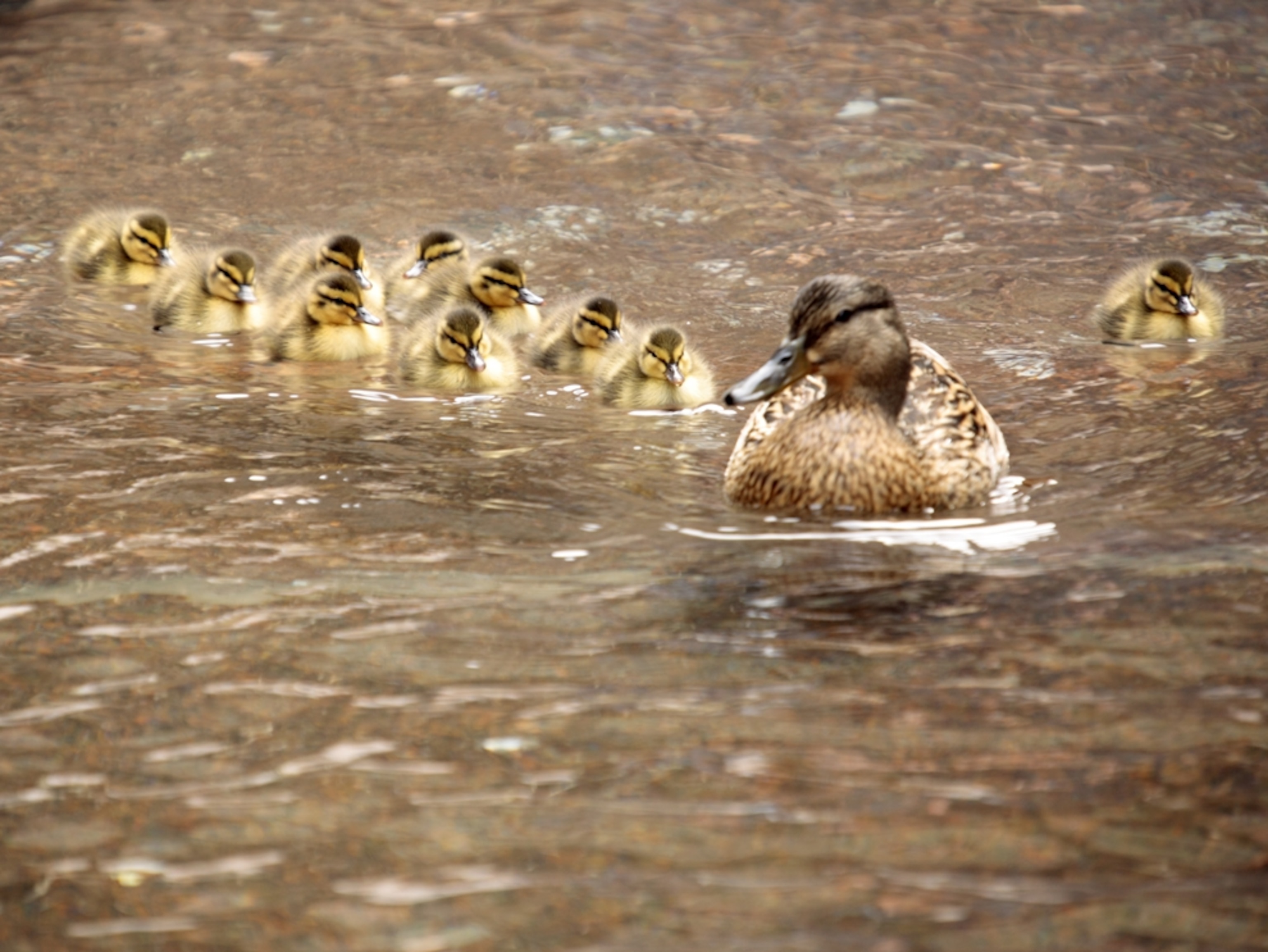
Have you ever seen ducks swimming happily in a park pond & wondered, “can you have a duck as a pet?” You’re not alone.
If you think pet ducks might be the right fit for you, here are some tips for duck care & issues to consider before adopting a duck as a pet.
Can You Have a Duck as a Pet?
It depends on where you live. If you’re considering adding pet ducks to your family, the first step is to see if your local municipality allows you to keep ducks as pets.
Some areas won’t permit any poultry (such as ducks & chickens) to be kept as pets. Some cities will allow only chickens, & others are more flexible. Certain areas might also only allow only a certain number of birds or restrict the hours that birds may be allowed outside.
Be sure you know what your town permits; there is nothing worse for you to be bonded to your birds & then forced to give them up because you didn’t follow local guidelines.
Are Ducks Good Pets?
For the dedicated pet parent, ducks can make great pets. They are feathered balls of personality—each one is different, & it’s fun getting to know them as individuals.
They are relatively long-lived pets; the average domestic duck lifespan is 10–15 years when they’re well cared for. Ducks also lay eggs more regularly than chickens.
Ducks also produce lots of manure, so they’re great pets to have if you have a garden to fertilize. They are less damaging on your yard & landscaping than chickens are, & ducks eat a lot of pesky insects.
The Best Kinds of Pet Ducks
If you are looking for a pet duck consider these types of domestic ducks that make ideal pets:
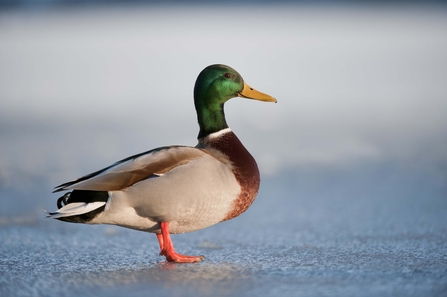
- Mallard ducks
- Indian Runner ducks
- Call ducks
- Pekin ducks
- Cayuga ducks
- Harlequin ducks
- Rouen ducks
- Swedish ducks
- Mandarin ducks
- Muscovy ducks
Things To Consider Before Adopting Pet Ducks
Ducks are high-maintenance pets. There’s a lot of cleanup needed, & it’s often a wet & stinky job. For example: Ducks need lots of fresh water, & they soil it frequently. So you’ll spend a lot of time refreshing their water.
Pet ducks usually are unable to fly, so they are a big target for local wildlife predators like coyotes, birds of prey, & even stray cats. This means you have to provide hawk covers, which should be placed over their pens. When outside, your pet ducks will also need to be supervised & protected from potential animal attacks.
Ducks also don't do well in colder climates. If temperatures drop below 20 degrees Fahrenheit, ducks are prone to frostbite on their feet. If you live in an area where it gets colder during winter, it’s important to offer treats that are high in fat & calories. Treats such as cracked corn, warm oatmeal, & peanuts may help provide additional warmth overnight as the food digests.
You should also provide additional warmth in their environment, such as a layer of straw to place on the coop floor. Wooden plants, benches, or stumps are also helpful in keeping ducks off the ground.
Be sure to insulate your duck house with bales of hay along the inner walls—this will limit how much cold air comes through & allows them to stay warm in their duck house
Pet ducks can also be noisy, especially when they want something. Neighbors may not appreciate the enthusiastic quacks as much as you do.
How To Take Care of Pet Ducks
If all of this sounds like a good fit for you & your lifestyle, you’ll want to take some time to set up your yard before bringing your new family members home.
Preparation is key. Finding pet duck supplies can be challenging, so time & planning is needed. Here are a few basic duck supplies you’ll need to get before bringing home pet ducks.
Duck Coop
You will need a completely enclosed, predator-proof coop for your ducks.
Ducks do not tend to fly up & perch like chickens, so height is not important. What you do need to consider is setup & floor space:
You’ll likely want to leave water in the coop with your ducks, so it’s important to have waterproof flooring & bedding material. You can use linoleum, tarps, or a rubberized floor coating to protect your floors from water damage.
You need a layer of absorbent bedding on top of the waterproof flooring, such as soft wood chips or recycled paper.
Ducks can’t jump wall into their coop, so the coop you choose should have a low opening or a wide, stable ramp to get through the entry.
Enclosed Yard
You need to have a safe place for your pet ducks to play when they are not in the coop. Having a fenced-in yard is the best solution, but know that this “free time” should be supervised because the risk of predators is still there, even with a fence.
In addition to a fenced-in yard, pet ducks should have a secure, enclosed area that can serve as a safe place to be when you can’t watch them. This area should be surrounded with an electric fence & covered in hawk netting—even if you live in an urban area. Many species of predators find pet ducks appealing.
Swimming Tub
Ducks love to swim, splash, drink, & bathe. Everything in their life revolves around water, which means the bigger the tub, the better.
Remember that ducks will soil their water with amazing speed, so the tub needs to be changed regularly—sometimes even several times per day. You’ll want to find a tub that has enough room for your ducks to swim but is small enough to clean easily.
A moderately large dog swimming pool, like the TRIXIE® Dog Splash Pool, works for most birds. Be sure that your ducks can both get in & get out of it easily, especially if you’re raising young ducklings that aren’t quite coordinated yet.
Duck Food
Many people choose to feed their pet ducks chicken food, but this is not recommended. Ducks have different nutritional needs than chickens, & these needs won’t be met if they eat chicken food.
Think of it this way: You wouldn’t consider feeding your dog exclusively cat food or your cat exclusively dog food, right? In the same way, ducks shouldn’t be fed exclusively chicken food.
Instead, feed your ducks a commercially designed duck food, such as Mazuri® Waterfowl Maintenance Feed.
Duck Treats
Ducks love treats, & healthy treats that complement their diet are the best option.
Foods like fresh, leafy green vegetables are always favored. Carrots, ripe tomatoes, pumpkin, squash, oats, berries, bananas—the sky is the limit here! Corn, green beans, & Brussels sprouts are also go-to snacks.
For the most part, anything that is in season at the local farmer’s market or grocery store is probably fair game for the ducks.
Are You Ready for Pet Ducks?
Ducks can be amazingly fun & interesting pets. They do require more work—& more expense—than keeping chickens, but the payback can be worth every bit.
Ducks tend to be more consistent about laying eggs, & duck eggs are richer & creamier than chicken eggs, prized by bakers everywhere.
So, if you are ready for lots of baked goods & plenty of manure for your garden, pick up a good book or 2 on keeping ducks, find a source for waterfowl food, & get ready to start on a great adventure!
Pet Ducks FAQs
How long do ducks live?
When well cared for, the average duck lifespan is 10–15 years.
Can ducks fly?
Most pet ducks don’t fly, but some breeds such as the Muscovy duck, Call duck, East Indie duck, & some domesticated Mallard ducks can fly to some degree. For these breeds, it’s recommended to clip their wings to limit flight.
Where do you buy ducks?
Pet ducks can be purchased online from farms & hatcheries. Local private breeders & local feed supply stores may also sell them.
Are Ducks Good Pets? What To Know About Pet Ducks | PetMD
Cute Critter Pics:


No comments:
Post a Comment