Thursday, July 20, 2023

July 19/2023


7 Crucial Safety Tips For Walking Your Dog This Summer

By Sassafras Lowrey

7/17/2023

cuteness.com

Summer is here, & most areas of the county will be hot for several months. The hot weather can be fun, but it's also dangerous. While exercise & enrichment are important for dogs year-round, it's important to be cautious when taking your dog out during the hot weather. Here are 7 safety tips to keep in mind when walking or exercising your dog this summer.

1. Watch out for hot pavement temperatures

One of the main concerns with walking dogs in the summer is the pavement temperatures. Concrete sidewalks & streets heat up in the sun & can easily burn your dog's paw pads. The general approach for determining if the concrete is too hot is to put the back of your hand onto the surface for 7 seconds. If you can do so comfortably, then it may be cool enough for your dog to walk comfortably.

To protect your dog from both the heat & hot concrete, it's best to avoid walking during the hottest time of the day. Instead, try to arrange your schedule to get your dog out on walks during the early morning or late at night — when the concrete will be cooler. If you live in an apartment & must walk your dog on hot concrete to get them out to potty, consider investing in protective boots. Use positive reinforcement methods to teach your dog to be comfortable wearing them.

2. Know the signs of heat stroke in dogs

One significant risk in the hot weather for dogs is the risk of heat stroke. All dogs can overheat, including active & young dogs.

The best way to prevent heat stroke is to keep your dog in a cool part of your house during the hottest part of the day. When you are outside with your dog, provide them with access to cool places in the shade. It's also best to avoid encouraging strenuous play or exercise for your dog in the heat. Avoid those long walks and games of fetch during the hottest parts of the day.

Symptoms of heat stroke to watch out for include:

-Panting

-Heavy breathing

-Pale gums

-Lethargy

-Gastrointestinal issues including vomiting

If you think your dog is experiencing heat stroke, take them to the veterinarian immediately.

3. Bring cooling clothing & accessories

In addition to sticking to shady areas & walking in the early morning or late at night, providing your dog with cooling accessories can also be helpful. Cooling coats & cooling bandanas can help keep your dog comfortable & prevent overheating while out on a walk. Cooling vests are designed to be soaked in cool water. Hold the cooling vest against your dog's body to help deflect the sun & keep them feeling cooler.

4. Avoid discarded food on sidewalks

Summer BBQ gatherings are fun, but they can lead to dangers when walking your dog. Chicken bones, partially eaten bags of chips & other BBQ leftovers are especially common on sidewalks this time of year. This discarded food could make your dog sick if they eat them. When walking your dog, keep an eye out for tempting distractions & steer your dog away from them. This is a great time to practice cues like "leave it" & "drop" if your dog does manage to get something in their mouth that they shouldn't.

5. Stay hydrated

Keeping you & your dog well hydrated is important when out on summer walks. Carry a water bottle for yourself & fresh cool water to share with your dog. You'll also want to bring a portable or collapsible water bowl to make it easier for your dog to drink. Avoid letting your dog drink out of communal neighborhood water bowls, as they can spread disease.


6. Avoid tall grass & inspect for foxtails

Foxtails are a weed that looks harmless, but is very dangerous to dogs. Common in the western United States, these wheat-looking seeds have barbed heads. Foxtails can easily become embedded in your dog's feet, nose, ears, & eyes & lead to serious infections. Foxtails don't naturally break down & instead work their way into a dog's body. This can lead to serious infections or even death if untreated. Keep your dog out of weeds & tall grass & inspect your dog's body after each walk.

7. Watch for insects & snakes

Insect stings or snake bites (depending on where you live) can be another hazard to watch for on summer dog walks. Keep your dog away from snakes & other wildlife. It's helpful to have easy access to a first aid kit for dogs & to know how to use it. If you suspect your dog has been stung by an insect, & they are having any kind of reaction such as obvious discomfort, swelling, or difficulty breathing — then your dog should immediately be seen by a veterinarian.

The bottom line

Taking your dog out for summer walks can be a lot of fun, but there can also be unexpected dangers. Be thoughtful about what time of day you take your dog out to walk. Avoid the hottest part of the day & check the temperature of the pavement before walking. Try to keep your dog cool while walking & carry fresh water. Steer your dog away from any tempting food left on sidewalks. Avoid tall grass & assorted wildlife hazards.


Cute Critter Pics:


Weekly Chuckle:


Saturday, July 15, 2023

July 12/2023


Hamster Care Sheet

By Maria Zayas, DVM 

2/ 27/ 2023

petmd.com

Overview

Hamster Level of Care

Beginner

Hamster Lifespan

18-36 months

Hamster Roommates

The hamster species kept as pets are solitary & should be housed alone.

Hamster Handling

Handling Considerations

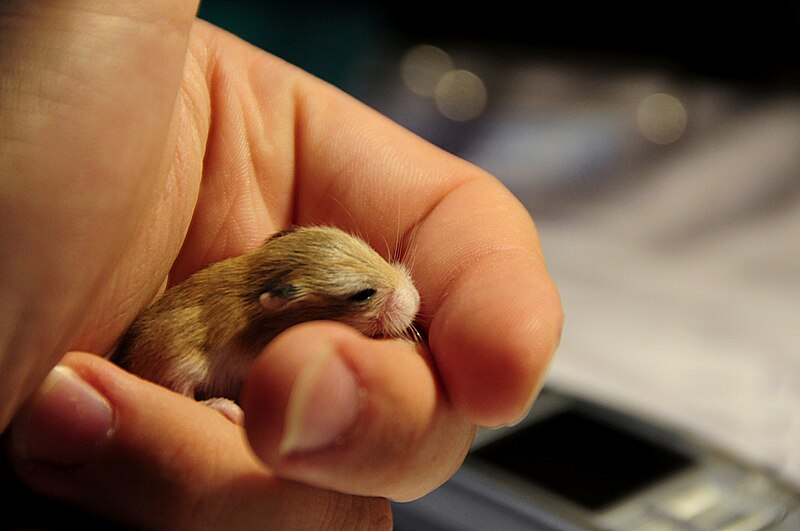
Hamsters who are stressed or scared will readily bite & care must be taken with handling them. Well-socialized & unstressed hamsters can be carried in 2 cupped hands. They are very active & move quickly & don’t typically enjoy being held for long periods. Hamsters who aren’t used to being handled yet can be picked up in containers like hamster balls or small carrying cages.

Recommended Home

Environment

Hamsters can do well in almost any room of the house. However, rooms with wide temperature fluctuations, direct sunlight on the hamster enclosure, or spots directly in front of open windows, air conditioners, or heating vents aren’t recommended.

Pet Parents

Hamsters are an appropriate pet for adults & children who are old enough to safely handle them. Hamsters are small & fragile, very fast moving, & will bite if stressed or scared. Small children often hold them too tightly, which may cause injury. As a result, older children who are comfortable holding them are a better fit.

Other Pets Hamsters Can Live With

No other animals can live in an enclosure with a hamster. Due to their small size & fast movements, it also isn’t safe to keep hamsters loose with other animals around. You can keep pets like cats & dogs in the same household as your hamster, but extra care must be taken to make sure their enclosures are secure.

Family Friendliness Level

Hamsters do well in family homes. They typically enjoy the extra stimuli of having several family members interacting with them & they do OK with foot traffic & sounds. Care must be taken with small children to make sure they know how to safely touch the hamsters & keep their fingers away from the openings in the enclosure.

Hamster Habitat

Enclosure

Hamster enclosures need to have at least 150 square inches of floor space with a solid floor & wire sides & tops. Bar spacings should be half an inch. Hamsters are escape artists—they can chew through plastic, wood, & even soft metals & learn to open cage doors. Many hamster parents add tunnel extensions to enclosures, but they must be thoroughly cleaned weekly & made from solid materials such as plastic. You also want to provide a hide box & a running wheel within the enclosure.

Bedding

A thick layer of bedding several inches deep should be provided so hamsters can burrow. Optimal bedding materials include unscented & un-dyed toilet tissue or recycled newspaper products. Wheat straw or aspen shavings are also alternatives.

Bagged “fluff” beddings are not recommended as they are an ingestion & obstruction risk, in addition to posing the risk of wrapping around & strangulating paws.

Never use cedar shavings as these are toxic to hamsters.

Feeding Dishes

Hamster food is typically placed into small bowls located in the cage. Heavier materials like ceramic crocks are preferred as they are harder to tip over. Be sure to clean your hamster’s bowl daily.

Hamster Diet & Nutrition

Main Food

The bulk of a hamster diet should come from a commercial pelleted diet with a 15-25% protein content. Unlike many other smaller pocket pets, too much fresh produce can cause diarrhea in hamsters & extra care must be taken to choose produce that is high in fiber, or it must be offered in moderation. Hamsters hoard & hide food so offering fresh produce can lead to spoilage. It is best used as a treat.

Water

Water should be provided in sipper bottles that are cleaned when refilled. Be careful to examine the tips of the bottles for chewing damage, & inspect the bedding below the bottle daily for accumulated moisture. Spot clean as needed.

Treats

Commercial hamster treats are readily available, including yogurt drops & dehydrated fruits. Fresh fruits & vegetables also work great as treats, especially during time out of the enclosure so hamsters can’t store the fresh food where it might spoil.

Supplements

Hamsters fed from a nutritionally complete pellet diet don’t need any supplements unless a veterinarian has identified a specific nutritional deficiency.

Foods to Avoid or Are Toxic:

-Apple seeds

-Raw beans

-Raw potatoes

-Almonds

-Citrus

-Garlic

-Onions

-Chocolate

-Sugary foods

-Salty foods

-Red Meat

Hamster Daily Care

Feeding

Hamsters are nocturnal, so it is recommended to offer new food in the evenings or before bed. Hamsters should generally be offered about a tablespoon of food daily, although this can vary by species so it’s always recommended to check in with your vet about your pet’s needs & current body condition.

Grooming

Hamsters rarely have any grooming needs from their humans. They do a very good job of grooming throughout the day & keep themselves very clean. Long-haired hamsters occasionally need help removing debris from their hair. In this case, they can be brushed with hamster-specific soft brushes.

Exercise

Hamsters are very active pets. They enjoy running, climbing, & tunneling. You can support these habits in a number of ways:

- Maintain bedding several inches thick in the enclosure for tunneling & burrowing.

- Include a running wheel that’s at least 8 inches in diameter & made from a solid material so their toes can’t get stuck.

- Tunnels can be included in the enclosure or in a separate play area, but care must be taken to clean the tunnel weekly. Tunnels must be made of a solid material (like plastic).

- Exercise balls must be about 7–8 inches in diameter & cleaned after every use. Use tape to secure the lid so it can’t open accidentally.

Disinfecting/Cleaning

Every week, all bedding should be removed from your hamster’s enclosure, all surfaces cleaned, & bedding replaced. Use small pet enclosure–specific cleaners or diluted vinegar to clean the enclosure. Tunnels can be submerged in diluted vinegar to soak. Inspect the enclosure for areas you hamster may chew & check that all doors & edges close & attach properly. 

Enrichment

Hamsters are high energy & super chewers. Provide various toys for running, climbing, & tunneling in addition to wooden toys to chew.

Hamster Veterinary Care

Annual Care

Your hamster needs to be seen by a veterinarian once a year for a wellness exam. Be sure to transport them in a secure carrier or take their entire enclosure. If transporting just your hamster, take pictures of their enclosure & all the products you use. Your veterinarian will want to assess their setup as part of the examination process.

Signs of a Healthy Hamster

-Alert, curious disposition

-Clean hair coat with no hair loss

-Clear, shiny eyes

-Clean nares

-Clean ears

-Nails & teeth that are not overgrown

Call a Vet If You See:

-Weight loss

-Wet, fecal-stained hair around rectum

-Wounds or trauma

-Lumps

-Coughing, wheezing, sneezing, nasal discharge, or other respiratory difficulties

-Diarrhea

-Anorexia

-Drooling

-Overgrown teeth

Common Conditions in Hamsters

-Diarrhea

-Wet tail

-Bite wounds

-Demodectic mange

-Cancers

-Alopecia (hair loss)

-Malocclusion

-Hairballs

-Gastrointestinal foreign bodies

-Hypothermia

-Amyloidosis

-Cardiomyopathy

-Rectal prolapse

-Stroke

-Diabetes

-Eye bulging

Hamster FAQs

Is a hamster easy to take care of?

Hamsters are remarkably easy to take care of. They have smaller housing needs than most pets, create little noise or smell, can function independently when you’re busy, have curious dispositions, & need enclosure cleanings just once a week.

What are the Dos and Don’ts for hamsters?

Do provide multiple outlets for exercise & chewing to support dental & mental health.

Don’t use cedar shavings, provide too much fresh produce for food, or leave enclosure doors unsecured.

Do hamsters need to be handled every day?

Yes, it is recommended to handle your hamster at least once daily. Though they don’t enjoy being held for long periods of time, picking them up daily will keep them comfortable with handling. This also lowers the risk of bites, allows you to inspect them for health issues, & enables them to be transported to exercise balls or play tunnels for enrichment.

Do hamsters like to be held?

Most hamsters do not enjoy being held for long periods of time. They can be picked up for quick petting, then offered a treat before being placed down again somewhere secure. They do enjoy interacting with their humans but do not like to sit still.

Cute Critter Pics:


Weekly Chuckle: 

Monday, July 10, 2023

July 5/2023


Garter Snakes: The Gardener's Friend

Benefits of Snakes in the Garden

By Robin Sweetser

8/ 27/ 2022

almanac.com

Garter snakes are a gardener’s friend! Harmless to humans, they eat the pests that wreak havoc in your garden. Learn more about the shy but helpful gardening helper who just wants to live peacefully in harmony with you—& eat your slugs!

I found a snake skin in my garden a few weeks ago. While other people might have been freaked out, it made me happy to know that snakes find my yard a good place to call home. The garter snake is the snake species that North American gardeners will most often encounter—& we should be thankful!

Of course, I am lucky that there are no venomous snakes in my area. Unlike other parts of the country, we have just one type of venomous snake in New Hampshire—the timber rattlesnake—& it is not found anywhere near where I live. In fact, they are so rare that the NH Fish & Game Department has implanted radio tracking devices in the ones that they have caught to keep an eye on their movements. I kind of wish we did have some; they’re known to eat tick-infested mice!

About Garter Snakes

There are many types of garter snakes found all across North America, from Mexico to Canada. They have a variety patterns & markings, & can be brown, tan, olive, or black with yellow, red, orange, or even blue stripes down their sides & backs. Some are all black. They can grow to be over 4 feet long, but most adults reach only 2–3 feet in length.

- Often called “gardener snakes,” they earn that name by eating grasshoppers, slugs, grubs, & other insects. A large adult garter snake may even eat mice. (Unfortunately, they also eat some critters such as frogs, toads, salamanders, & earthworms.) To eat large prey, they unhinge their jaw from their skull. Back-curving teeth keep the prey from escaping.

- Since they grow throughout their lifetime, snakes need to shed their skin when it gets too small. To do this, they rub their head on something rough to hook the skin near their lips & as they crawl out of it, the skin is turned inside out. 

- Garter snakes won’t bite you unless provoked. They won’t chase you. They are really very shy & are not looking for a fight!

- Garter snakes do produce a very weak venom, but the venom is so mild that it rarely has any effect on humans (it can cause light swelling in those who are allergic, however). The snake uses its venom to subdue larger prey items, like frogs & mice.

- Active year-round in the south, in the northern half of North America they hibernate below the frostline in the winter, congregating in large numbers in burrows & crevices to keep warm during the cold months. In the spring, they emerge & mate.

- Females only breed every 2 to 3 years. They bear live young in the late summer, usually having between 4 & 20 babies, though some can bear up to 85! 

- It takes 2 years for garter snakes to reach maturity & they can live to be 10 years old in the wild.

Benefits of Snakes in the Garden

I see these fine fellows often in the spring out sunning themselves on large flat rocks. Since they are cold-blooded, they need the sun’s warmth to help them digest their food. In the summer, I hear them slithering beneath the landscape fabric & black plastic that we use for mulch in some of the garden beds.

When I’m picking cucumbers or squash, they will swiftly slip out of the way—& it can be startling—but I am happy to have them, especially if they are eating the cucumber beetles, slugs, & squash bugs.

A Word of Warning

Garter snakes are relatively harmless, beneficial predators of rodents & insect pests. However, do not pick it up. Alarmed, it may give you a little nip (harmless but still a bite).

Learn to identify snake species as well. There are venomous species that can be dangerous if provoked or startled. Pit vipers such as water moccasins & rattlesnakes have thick bodies, narrow necks, & wide triangular heads, while non-venomous snakes tend to have heads that are barely bigger than their necks. If you are unsure what venomous snakes are located in your state, check out this list of venomous snakes by state.

Cute Critter Pics:


Weekly Chuckle:


Monday, July 3, 2023

June 28/2023


Fun & Interesting Facts About Cat Sleeping Habits

By Modi Ramos

9/12/2022

cattitudedaily.com

I think it goes without saying that cats love to sleep. But there are actually several interesting facts when it comes to cat sleeping habits. You might be thinking, “cats sleep all the time, so what?!” But actually, there are specific things about cat sleeping habits that are pretty unique to the feline kind.

Here we’ll details some fun & interesting facts about cat sleeping habits to help you better understand our feline friends. Enjoy!

Wow, That’s A Lot Of Sleep!

On average, your cat sleeps up to 16 hours a day. A cat that is more active might sleep closer to 10 hours, but it would be very rare for a cat to sleep less than 10 hours in a 24-hour period. But while we’ve been preconditioned a la Garfield to think that cats catch up on cat naps all day long simply because they are lazy, such is not actually the case. We know that cats are obligate carnivores. And because of this protein-rich diet, they must sleep to aid in their digestive process. Essentially, your cat needs to sleep as much as they do to keep all the bells & whistles running properly.

So, the next time you see your cat dozing away in the middle of the day, just remember that they need to do that to keep things running smoothly. (If only the same were true for us humans!)

Purranormal Activity

We’ve all been there, we’re trying to get some rest, but our cats are wide awake at 3 AM. Cats are nocturnal by nature, although they are far removed from living in the wild now that they live in the comfort of your home. But to a cat, the night is when they choose to “hunt” because it’s hardwired in their DNA to do so. And if you happen to be gone at work all day long, then sometimes your cat will be particularly active at night, seeing as they loafed around in your absence.

What’s even more interesting about your cat’s odd awake patterns in the night, is that the periods that your cat spends awake at night can mirror your own patterns of restlessness. According to Catster.com, researchers have discovered that those crazy hours of the night that your cat spends awake can mirror our own sleep patterns of the times we are awake or restless while we’re trying to catch some sleep.

Remember, cats are crepuscular beings. This means that they are genetically pre-dispositioned to be most active at dawn & at dusk. So, if it seems like your cat is on dawn patrol when it comes to those early morning feedings, this is likely due to the fact that this would most likely be the time your cat would hunt for their breakfast if they were in the wild.


Cat Naps: Are They Actually Sleeping?

Cats have the ability to fall asleep quite easily—or do they? When your cat is in resting with their eyes closed & appears as if they are asleep, they are more resting than they are actually sleeping. Your cat is predatory by nature. They need to possess the ability to awaken at a moment’s notice should something startle them, so oftentimes they are snoozing rather than full-on sleeping.

When cats are fully asleep, they do dream, which you’ve likely noticed with all those twitches & little noises they make. Deep sleep is critical for their bodies to regenerate themselves & help them to stay healthy, so although they don’t deep sleep as much as we humans do, it’s necessary for their survival. Cats over the age of 7 reportedly sleep more, & those mature cats require more deep sleep to keep their bodies strong & healthy.

Cat sleep cycle fact: Cats do progress from slow-wave sleep to REM sleep just as other mammals & humans do, but the time that they spend in each stage is much shorter. A cat will spend about 6 minutes in a REM cycle, as opposed to a human that will spend 90-120 minutes per night in REM sleep.

Why Cats Sleep on You—Especially Your Head

Okay, I will admit, not every cat does this. But some do. And when they do sleep on your head, they REALLY sleep on your head. Oddly enough, my Maine Coon mix, Mr. Purple, will do this, & with all that hair of his, it makes it a bit difficult to breathe, let alone sleep. But just as cat owners do, I let him do it because I love him, & it makes him happy. But do you know why cats sleep on your head? Well, there are 2 reasons, actually. The first reason is that this is the warmest part of your body where heat escapes from. And as well all know good, & well, cats simply love to be warm. The second reason? Because cats do not like to be disturbed when they’re sleeping, & your head is much less likely to move than your arms & legs. Some also speculate that your cat likes the smell of your shampoo, but I’m not too certain on that one…


Why Do Cats Like To Sleep In Boxes?

Plain & simple, your cat loves the security that a box provides them. Whether they’re a small kitty in a big box or a large kitty squeezing into a tiny one, that box grants them a comfortable space that makes them feel safe & secure.

Stephen Zawistowski, science adviser for the American Society for the Prevention of Cruelty to Animals, says:

“Cats like boxes because they are cryptic animals; they like to hide…And a box gives them a place of safety & security.”

And for your feline friend who loves to sleep up to 15 hours a day, a box is the perfect spot for an extended cat nap as the walls provide them with a nice hiding spot. Because as we know, cats do not like to be bothered when they are sleeping!

Why is My Cat Snoring When They Sleep?

Just like humans or dogs, cats can snore when they are sleeping. This cat sleeping habit is something that often makes cat owners wonder if something is “wrong” with their cat. Cats will snore because an airway is partially blocked. For brachial cat breeds, like the Persian cat, snoring is much more common due to the short & narrow passageways running to & from their nose & throat. For cats that are overweight or obese, snoring is more common due to the stress on the body from the added weight they are carrying around.

How To Get Some Sleep When Kitties Are Active At Night

If your cat’s nighttime antics are preventing you from getting proper rest at night, there are ways that you can try to correct it. Be proactive about mentally stimulating your cat during the daytime hours. Exercise, both physical & mental, is the best way to tire your cat out during the day so that you can get the proper sleep you need come bedtime. For cats that are exclusively indoors, try offering your cat a nice perch that’s just theirs so that during the daytime hours, they can watch some “kitty TV” of the interesting things passing by their home, like people, wildlife, etc. This is much more interesting to your cat’s mind than just staring at the wall all day long.

Additionally, limit distractions that might be tempting to your cat during the evening hours, such as leaving toys out that they’ll want to bounce around with all over the place. And, above all, don’t give in to your cat & engage in play with them should they try waking you up at night with their crazy cat antics. Cats are opportunists by nature, if you give in to them, they’ll make a mental note of this, & those nighttime interruptions will quickly become a routine.


Cute Critter Pics: 


Weekly Chuckle: