Friday, April 23, 2021

April 21/2021


Feature:

Do Cats Understand Mirrors?

"You may have noticed your feline friend staring at herself in the mirror or at another shiny surface once or twice. But do cats understand mirrors? Does she know that she's gazing at herself?

Who's That Kitty?

For nearly half a century, scientists have studied the concept of self-recognition in animals, including cat self-awareness. For many creatures, the evidence for this cognitive skill remains inconclusive.

This doesn't mean that our furry friends lack the smarts to recognize themselves; rather, it comes down to the cognitive capabilities of their species. 'It takes a good deal of sophisticated integration of information about yourself & your own movements & what you're seeing in front of you in that glass' to recognize your mirror image, animal psychologist Diana Reiss tells National Geographic...

As explained by Popular Science, cats actually don't recognize themselves in the mirror, despite what you see in those cute cat videos or in your own home. When they spot a mirrored kitty, some cats will duck behind the mirror to look for the other cat, some will ignore the reflection & others will 'act wary or aggressive towards what appears to be another cat able to counteract [her] own gestures perfectly.' This 'attack posture' may seem like your kitty is waving to herself, Popular Science says, but she's actually in defense mode. Your kitty's puffed-out tail & the way her ears are tilted are a response to the 'threat' of her own reflection.

What Science Can Tell Us

There's scientific evidence to support the claim that many animals do (& don't) recognize themselves in a reflection. Scientific American writes that when an animal glimpses itself in a mirror, 'it may not understand 'That's me!' in the same way as a human would, but it may know that its body is its own & does not belong to someone else.' Examples of this understanding include instances when animals recognize the abilities & limitations of their own bodies while performing physical activities, such as running, jumping, & hunting. You'll see these concepts in motion when, say, your cat jumps to the top of the kitchen cabinets.

Studying animal cognition is difficult, as you may well imagine, & testing can be problematic for various reasons. Scientific American references the issues with the 'red spot test,' also called the mirror self-reflection test, a well-known study conducted in 1970 by psychologist Gordon Gallup & published in The Cognitive Animal. Researchers placed an unscented red dot on a sedated animal's forehead & then observed how the animal, upon waking up, reacted to its reflection. If the animal touched the red spot, Gallup hypothesized, it was an indication that the animal recognized the altered state of its own appearance: in other words, self-recognition.

Although most animals failed Gallup's test, a few did pass, such as dolphins, great apes (gorillas, chimpanzees, orangutans, & bonobos) & magpies. Not included in this list? Dogs & cats.

The failure of most animals is not surprising, some critics say, because many creatures simply don't know what they look like. Cats & dogs, for example, rely on their olfactory sense to identify pieces of their surroundings, such as their home, their pet parents, & other pets. Your cat knows who you are not because of facial recognition but because she knows your scent. Animals that don't have an instinct to groom may also recognize a red dot on themselves but not feel the need to remove it.

Starting With the Cat in the Mirror

Do cats understand mirrors? Maybe. The extent of cat self-awareness is still a mystery. Despite all of the wisdom contained in her all-knowing eyes, when your cat's pacing back & forth in front of mirror, she's probably not admiring the sleekness of her coat or the smoothness of her freshly-trimmed nails.

More than likely, she's investigating the stranger that is too close for comfort. If looking in a mirror stresses out your kitty, remove the mirror if possible & divert her attention with fun DIY toys, catnip mice or jingly balls. If she stares calmly into the eyes of the cat before her, who knows? She may just be pondering her own existence."

Christine O'Brien

Nov. 1/2018

Hillspet.com

Cute Cat Pics:


Weekly Chuckle:


#StaySafe


Friday, April 16, 2021

April 14/2021


Feature:
Does My Cat Think I'm Its Mother?
"If you've lived with a cat, then you know that cats consider your home their home. Cats do what they want as they roam about, & you might wonder why. The answer is actually sweeter than you think.

Our cats treat us as equals as opposed to a totally different species. According to recent studies, dogs behave differently around humans than they do other dogs. This clearly indicates that dogs view humans as different from themselves. However, cats treat humans the same as they treat other cats.

John Bradshaw, author of Cat Sense & a cat-behavior expert at the University of Bristol explained, 'They obviously know we're bigger than them, but they don't seem to have adapted their social behavior much. Putting their tails up in the air, rubbing around our legs, & sitting beside us & grooming us are exactly what cats do to each other.'  In fact, cats treat us as a very specific kind of cat.
Cats behave as if humans are their mothers.
No, your cat doesn't actually think you're the mama cat that birthed it. But cats show us a level of respect & affection that is very similar to the way they treat their mama cat. And this sweet fact flies in the face of anyone who thinks cats' 'aloof' personality means they don't care about us...

In fact, cats are independent because they think humans are cats like them. They think we're just one of their kind. And cats reserve their affectionate behavior usually for the humans in their homes. Researchers found that cats were more relaxed & content around their humans, but more on high alert around strangers.
So how exactly did cats come to see us as mama cats?
Because cats socialized themselves, it seems like they saw us as potential caregivers from the beginning. Dr. Bradshaw explained, 'Almost all domestic cat social behavior must have started out as mother-kitten behavior. Their ancestors were solitary, territorial animals, & the only friendly behavior between 2 cats would have been between mothers & their kittens.'

So if cats learned to recognize their loving mamas as safe creatures that they could exhibit friendly behavior with, then they probably drew a similar conclusion about humans.
But what evidence do we have that proves cats see us as mother figures?
Cats respond to our loving behavior. When animal behaviorist try to pinpoint how cats choose their 'favorite person', one major factor was how the person behaves towards the cat. If a human feeds, plays with, & nurtures the cat, then the kitty is more likely to reciprocate with affection. So clearly, cats recognize our nurturing behavior & give it back to us.

Secondly, cats learned to prey on our emotions like human babies. Cats don't meow with other cats. They developed the 'meow' to play to our loving emotions because it sounds like a baby's cry. Because of that, these sounds are particularly effective for getting humans to do what they want...

Also, cats knead our bellies with their paws, which they probably learned from their mother. Kittens knead the area around its mother cat's teat to help improve the flow of milk. While they don't need to do that later in life, scientists believe that cats knead because it reminds them of the comforts of a nursing mother. Just another way that our cats treat us like their mothers.

Because our cats sometimes don’t always want to show affection, it’s comforting to know that their affections come from such a strong place.

And let's be real, we do fall immediately into our mom voice when we find our cats did something naughty. So, it fits."
Sarah Jeanne Terry
cuteness.com

Cute Cat Pics:


Weekly Chuckle:                                                                                                                                
                                                   

Edna Belle Wiltzen
My late grandmother is the inspiration behind this blog. 
Rest in Peace NanπŸ’—
#StaySafe


Thursday, April 8, 2021

April 7/2021


April is Cat Month!!!😺🐱🐈

Feature:
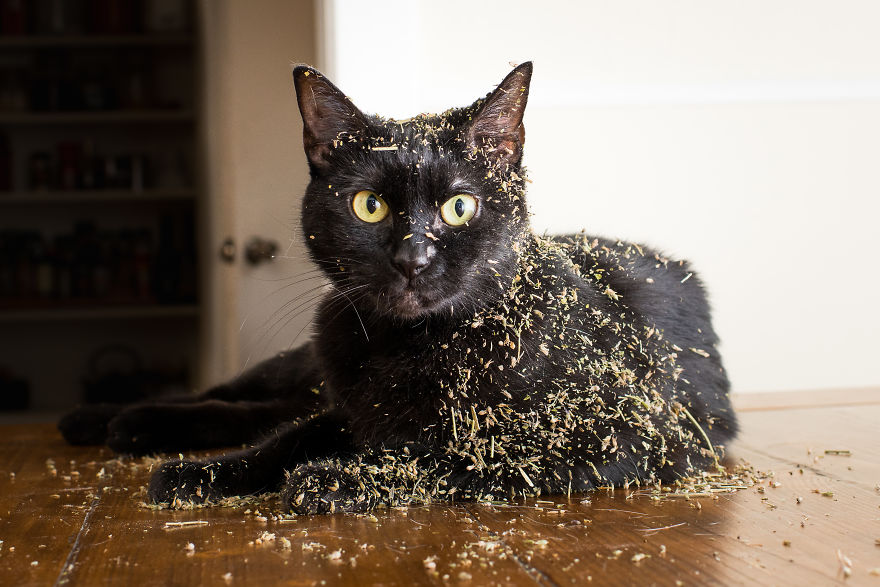
What Does Catnip Do to Cats?
"Many people are familiar with catnip, but not everyone knows what type of plant it is or the science behind how it affects a cat’s mood & behaviors...

What Is Catnip?
Catnip, or Nepeta cataria, is a common herb that is a member of the mint family.

It’s a plant that is easy to grow in North America & has feather-like, light-green foliage with lavender flowers.

Catnip leaves have actually been used to make tea, & the flowers are said to relieve coughs. It’s also a main ingredient in some natural bug sprays. 
What Does Catnip Do to Cats? How Does Catnip Work?
Cats have an extra scent organ called the vomeronasal gland in the roof of their mouth. This special pathway allows scents that are collected in the nose & mouth to be carried to the brain.

Nepetalactone is the oil that’s found within the catnip plant’s leaves that can cause behavioral changes in cats...

Catnip mimics feline sex hormones, so cats enjoying this substance will often display behaviors similar to a female cat in heat (although both male & female cats can experience the effects).

These behaviors can include overt signs of affection, relaxation, & happiness. Other cats will display active behaviors, such as playfulness or sometimes even aggression.

For cats that have a positive experience with catnip, it can help reduce anxiety & even relieve pain.

Some veterinarians have recommended using catnip to help with separation anxiety if your cat will be home alone for an extended period of time.
Does Catnip Work on All Cats?
Not all cats will respond to the active compound in catnip. Veterinary studies suggest that about 60% of cats will have a behavioral reaction to catnip.

There is also evidence that a cat’s response to catnip is a dominant trait that’s based on genetics.
How Long Does Catnip Last? 
Catnip effects will vary in length, depending on the cat. Usually, the behaviors associated with smelling catnip will last for around 10 minutes & then wear off gradually.

It could then take 30 minutes without smelling catnip for the cat to become susceptible to the effects again.

Catnip does lose its potency over time, so it is recommended to keep it in an airtight container for maximum freshness.
Can Kittens Have Catnip?
Catnip is not harmful for kittens, but most cats won’t react to catnip until they are 6 months to 1 year of age.

Some cats can be exceptions to this rule, as they will slowly increase their sensitivity over the years.
Can Cats Eat Catnip? Is It Safe?
Cats can ingest catnip, & it may even be helpful for their digestive tract.

The catnip plant has actually been used in people for its antidiarrheal properties. With this said, it is important to prevent your cat from ingesting large amounts of catnip, as this can cause digestive upset.

Can Cats Overdose on Catnip?
Too much catnip can cause health problems in cats, such as vomiting, diarrhea, dizziness, or having trouble walking. Use just a little at a time, & you can always discuss the correct amount for your cat with your veterinarian.

Fresh catnip is more potent than the dried form, so you won’t need to give your cat as much of it. It is also recommended to avoid highly concentrated catnip oils due to their potency.
How to Use Catnip
Catnip is available in many forms:

Fresh catnip (growing your own catnip plant)

Dried catnip

Catnip sprays or bubbles

Toys stuffed with dried catnip

Catnip sprays are a good option for cats that get an upset stomach from ingesting the plant. You can spray your cat’s favorite toy or cat tree or cat scratcher. You can also sprinkle dried catnip on a cat tree, scratching post, or cardboard scratcher, or you can roll a toy in it..."

Heather Hoffmann, DVM

Nov. 3/2020 

petmd.com

Cute Cat Pics: 


Cat Chuckle:
#StaySafe


Wednesday, March 31, 2021

March 31/2021


Feature:

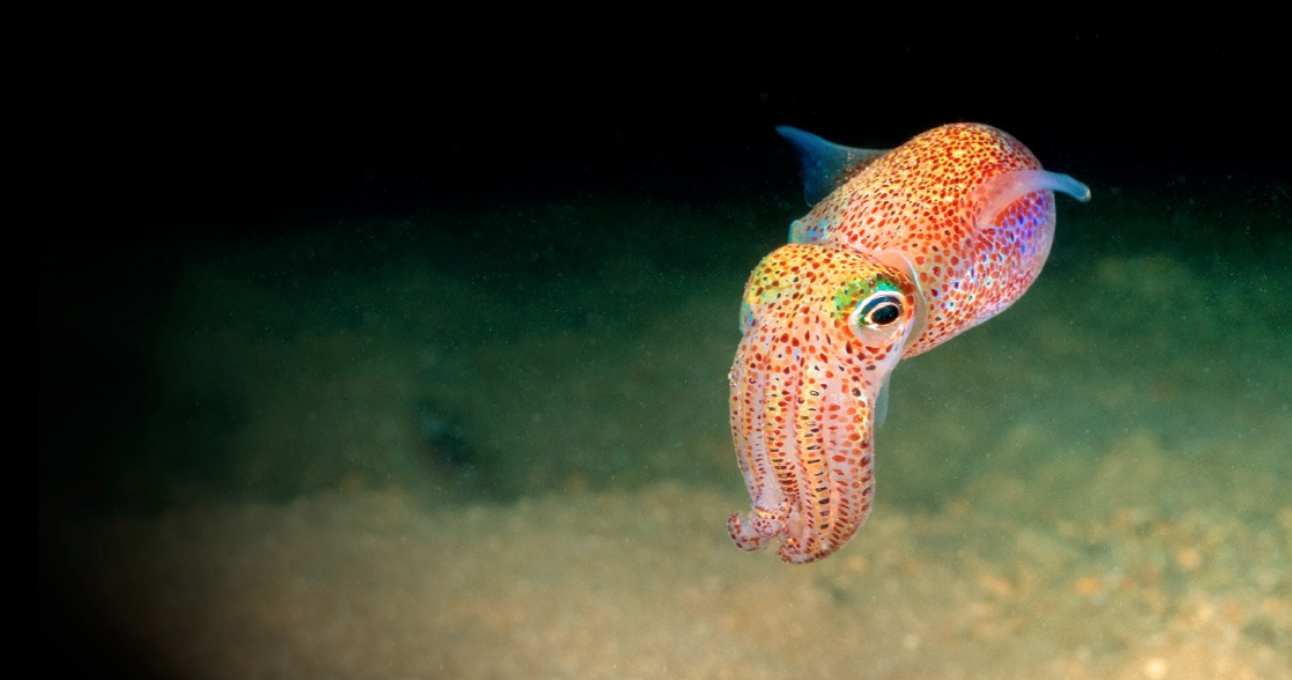
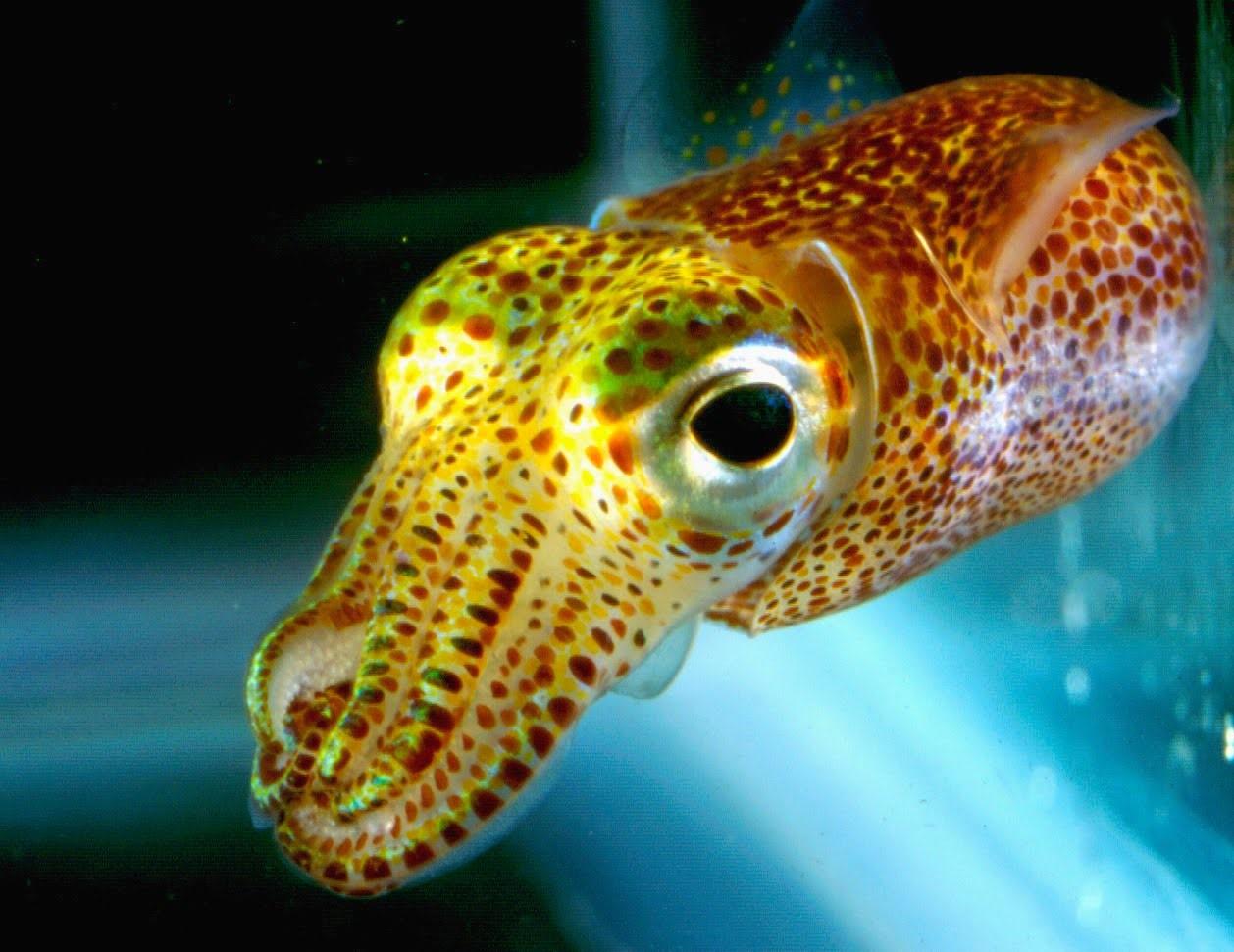
This Bobtail Squid Might Be the Cutest Thing in the Ocean

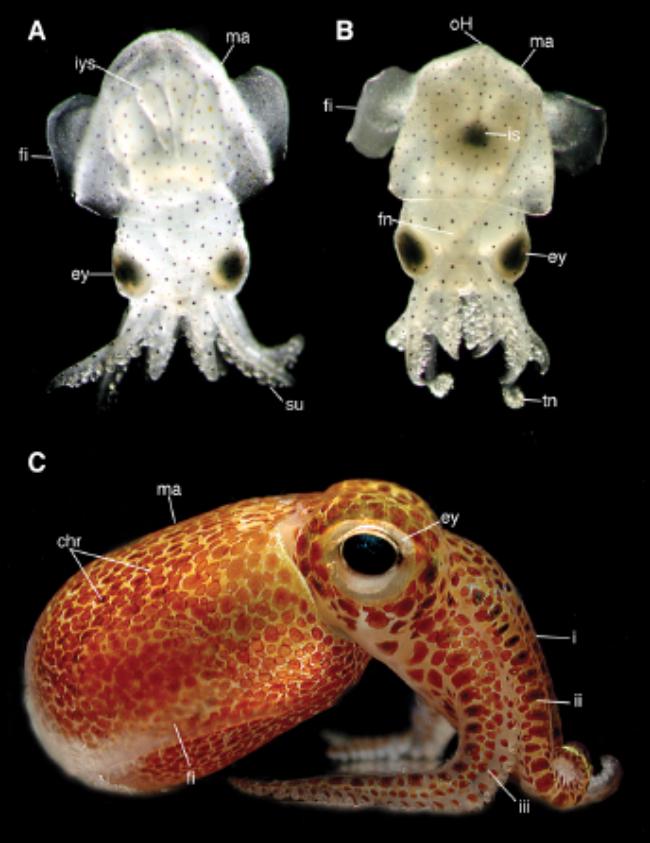
"Gather ‘round, ocean lovers…we found it. We found what we’re pretty positive could be the cutest cephalopod in the entire ocean, & its name is the Hawaiian bobtail squid (Euprymna scolopes)...check out these 6 things to know about one of the most adorable invertebrates in the entire ocean: the Hawaiian bobtail squid.

This species is tiny…like, really tiny.

While there are a wide range of cephalopods that come in all sorts of shapes & sizes, this petite little squid species only reaches an average of around 1 inch (2.5 cm) in mantle length upon reaching adulthood. For comparison, that’s just a bit smaller than your average golf ball...

They’re itsy bitsy ocean night owls!

...the Hawaiian bobtail squid...are not big fans of going out & about during the daytime, & are known to literally bury themselves in the sand until it’s time to hunt for food when the sun goes down.

They love crunchin’ on crustaceans.

One of this little cephalopod’s favorite snacks is a delicious shrimp! They are also known to eat a number of small fish & annelids (essentially, worms of the sea). They may be small, but bobtail squids pack a powerful punch when it comes to wrangling their next meal.

They have extremely well-developed little eyeballs.

Did you know that a number of cephalopod species are often used in studies to further understanding of human eyesight? Many of the mechanisms that serve ocular function in these creatures are similar to those of the human eye. For example, their ability to project sharp, clear & focused images mirrors human ocular process quite well, serving as a model in studies focused on researching & finding solutions to congenital disorders of the eye in human beings. Bobtail squid have also been used as models in human immunology research.

They’re basically BFFs with bacteria.

...The Hawaiian bobtail squid has garnered significant attention in recent years, as its symbiotic relationship with a very particular little bacteria makes it (quite literally) light up a room...Bobtail squid have a fascinating specialized light organ in their ink sac that produces light each night (both so the squid can avoid predators, & to assist in its agility in hunting its own prey). Well, that little light organ doesn’t just operate all on its own. Who’s to thank for this nightly illumination ability? A little bacterial microorganism, known as Vibrio fischeri.

These bacteria thrive within the light organ, & the relationship proves truly symbiotic. The squid provides sustenance through sugars for the bacteria, while the bacteria provide the squid with the ability to camouflage itself (it literally illuminates to match the brightness of the moon). What may be the most intriguing aspect of this example of symbiosis is the mere fact that this relationship could be dubbed, if you will, truly monogamous: Vibrio fischeri is the only bacteria with the ability to thrive within the light sac! Compared to other symbiotic relationships in the animal kingdom, this is quite unusual. For example, green sea urchins serve 184 microbial symbionts, & white rock shell sea snails serve nearly 1,500. Serving only one symbiont makes the bobtail squid’s relationship with its little bacterial partner truly unique, & is currently being studied in depth in research on the evolutionary development of symbiotic relationships.

Bobtail squid are so good at camouflage, even the U.S. military has studied it.

The camouflage abilities that come with the aforementioned symbiotic relationship are no joke: bobtail squid basically have nature’s version of an invisibility cloak! The ability for this animal to disguise itself is so good, in fact, that the United States Air Force has even studied the reflective attributes produced by the symbiotic relationship to improve aircraft camouflage.

I don’t know about you, but if I were a teeny tiny squid under 2 inches long, I’d be pretty darn impressed with myself for being used as a model for military-grade aircraft. I suppose that just comes to show how much nature truly does have to teach us…even in the tiniest of creatures off the coast of the Hawaiian islands!"

Katie Hogge

July 2/2019

oceanconservancy.org

Cute Critter Pics:


Weekly Chuckle:

#StaySafe


Saturday, March 27, 2021

March 24/2021


Feature:

These Sea Slugs Can Lose Their Heads Then Grow New Bodies

"Sea stars can grow new arms. Crayfish can grow new claws. There are interesting creatures that can grow back body parts if accidents happen.

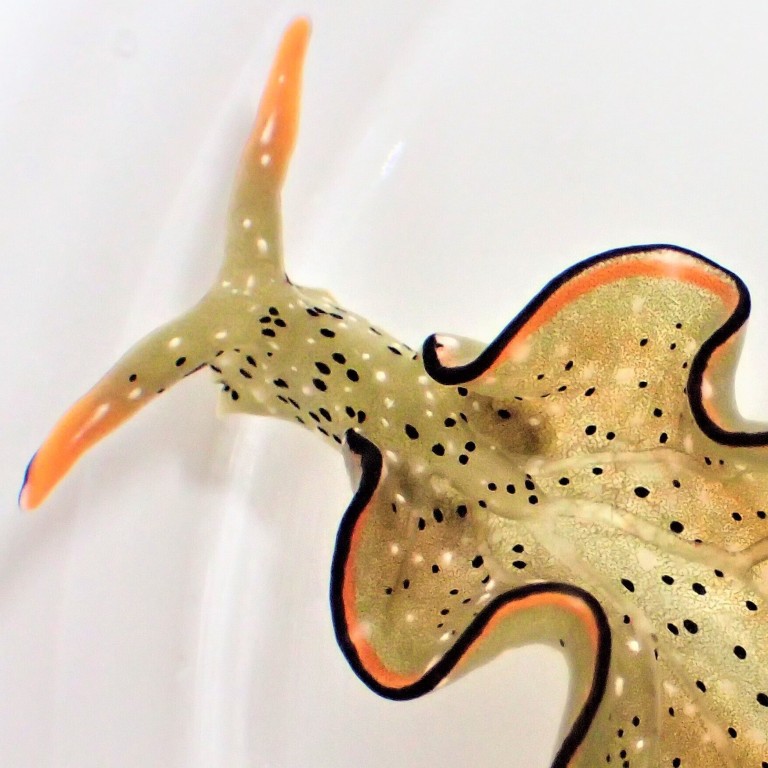
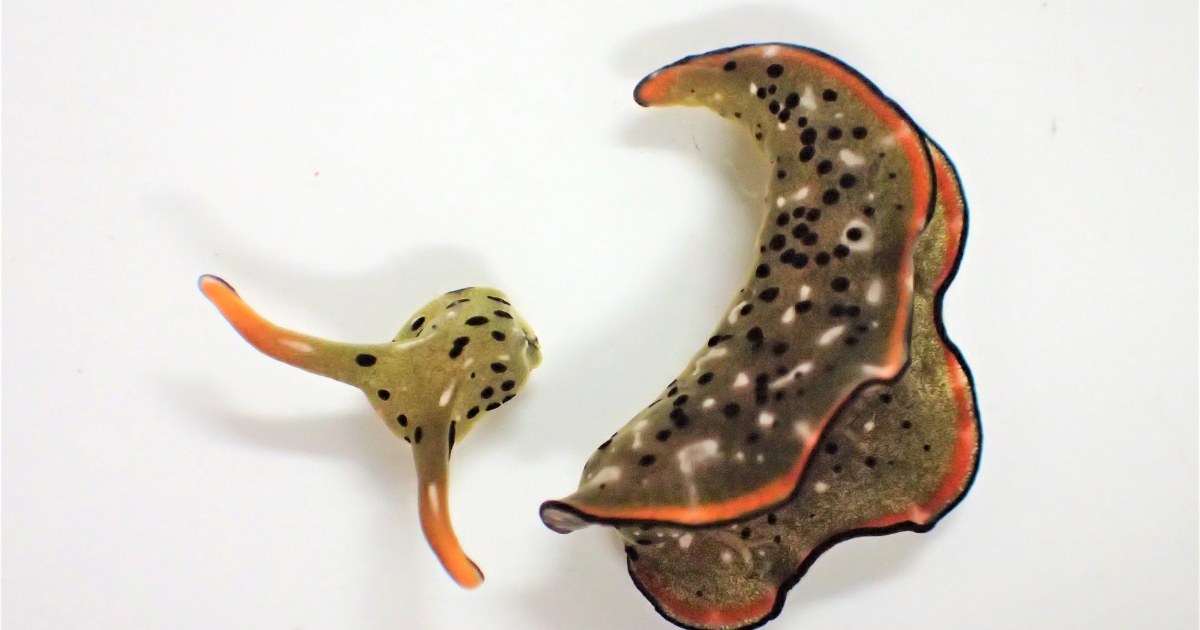
That's child's play after what researchers saw a sacoglossan sea slug do. The slimy mollusk managed to lose its head & then began crawling around. Eventually, it grew an entirely new body.

'We were surprised to see the head moving just after autotomy,' said Sayaka Mitoh of Nara Women's University in Japan. 'We thought that it would die soon without a heart & other important organs, but we were surprised again to find that it regenerated the whole body.'

Mitoh, a PHD candidate, raises sea slugs from eggs to adults in order to study their life cycle. One day she happened to see a slug head moving around without its body.

Although it was detached from the body & heart, the head moved on its own around the bottom of the tank. Within a few days, the slug began to regrow its body. The regeneration was complete after about 3 weeks.

Mitoh & her colleagues reported the discovery in the journal Current Biology.

After the initial discovery, the researchers observed what they called 'extreme autotomy' (self-amputation) & whole-body regeneration in 2 species of sapoglossan sea slugs.

They found that for younger slugs, the detached heads began eating algae within hours. The wound typically closed at the back of the head within days. They started regrowing a heart within a week & the regeneration of the entire body was finished after around 3 weeks...

Young or old, the headless bodies never generated a new head. But they did move around & respond to being touched for several days & sometimes months after losing their heads, the researchers said.


Understanding Why & How

The researchers aren't sure why the sea slugs shed their heads or how they're able to grow new bodies.

They may have parasites that can hurt reproduction so they are removing their heads in order to also remove the parasites. But the researchers aren't sure what prompts them to know when to cast off the body when they do it.

And there's the question of how.

Mitoh says they believe there must be cells located in the neck that are similar to stem cells. These are able to regenerate a new body.

How the heads can survive without a heart & other vital organs is another puzzler. The researchers say these sea slugs fuel their bodies by photosynthesis. They rely on chloroplasts from algae in their own bodies when other food isn't available, a process known as kleptoplasty.

They think this might help them survive long enough after autotomy to regenerate a body.

'As the shed body is often active for months, we may be able to study the mechanism & functions of kleptoplasty using living organs, tissues, or even cells,' Mitoh said. 'Such studies are almost completely lacking, as most studies on kleptoplasty in sacoglossans are done either at the genetic or individual levels.'"

Mary Jo DiLonardo

March 9/2021 

Treehugger.com

Cute Critter Pics: 


Weekly Chuckle:

#StaySafe