
When Is a Cat Considered a Senior? What To Expect When Your Cat’s Aging
By Ken Lambrecht
3/27/2026
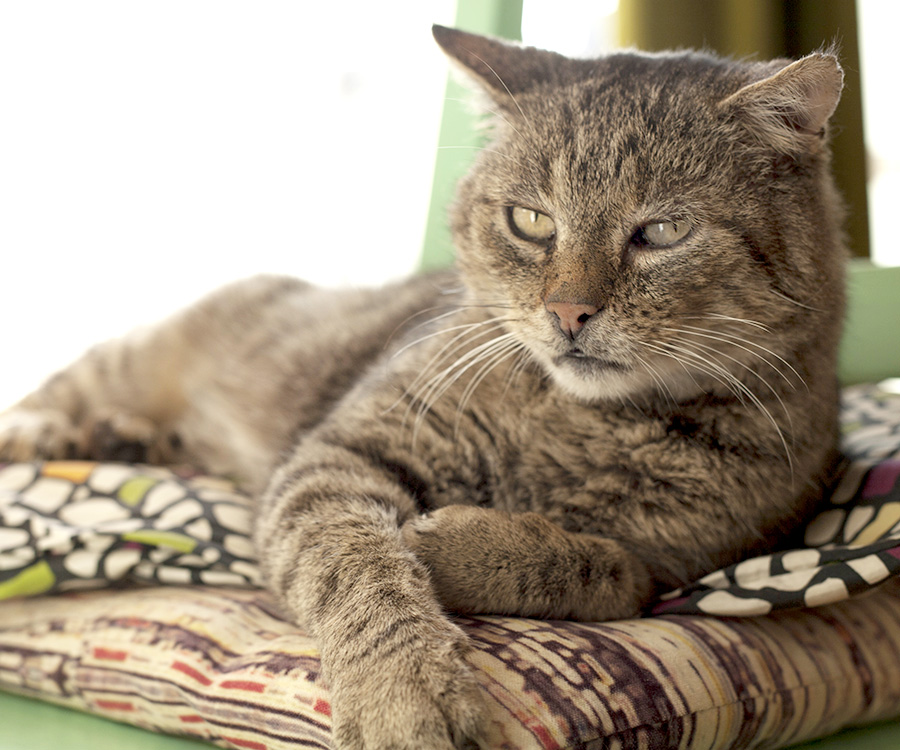
As cats live longer—often 13–17 years or more—understanding how aging affects their health is essential. Knowing when your cat becomes a senior & recognizing early signs of aging can help you support their comfort, health, & quality of life.
When Does a Cat Become a Senior?
The average cat lifespan is 13–17 years, though many can live to be 20 years old or more. With such a long life, proper care is vital for each of a cat’s life stage—especially when they enter their senior years.
Cats are considered seniors after they turn 10 years old, according to the American Association of Feline Practitioners (AAFP).
But many veterinarians may begin treating cats as seniors at 7 years old, meaning wellness exams increase from yearly to every 6 months. Those who work closely with cats are aware of how subtle the signs of illness in cats are & how well cats can hide their pain.
What Are The Signs of Aging in Cats?
Common signs that your cat is getting older include:
Physical Signs
Weight loss or weight gain
Trouble jumping, decreased mobility
Trouble eating
Dental disease
Decreased vision, especially at night
Decreased hearing
Behavioral Signs
Sleeping more & being less active
Decreased self-grooming
Signs of confusion, such as wandering around the house
Accidents in the house or trouble making it to the litter box
Increased hiding
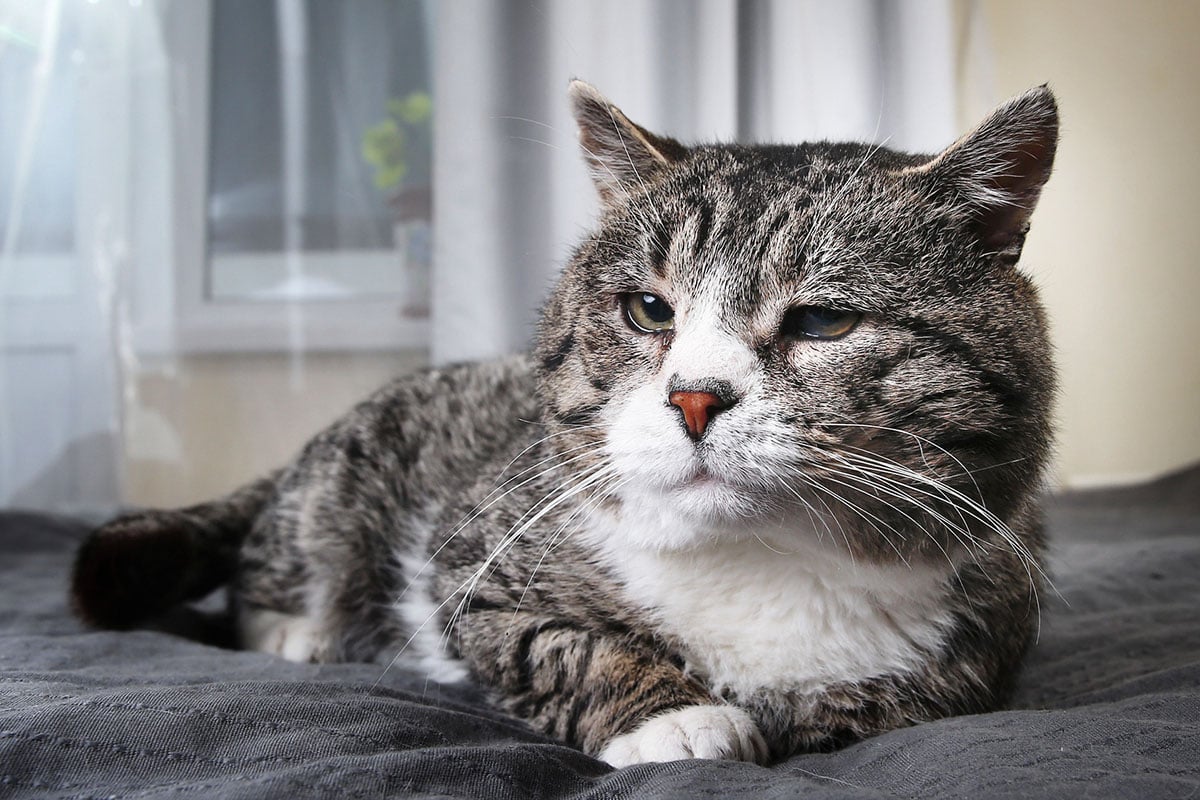
Senior Cat Health Problems
Some of the common health conditions senior cats develop include:
Dental disease: Dental disease affects over 80% of cats over 5 years old. Daily at-home toothbrushing with a small toothbrush & enzymatic cat toothpaste will prevent buildup on your cat's teeth. Annual dental cleanings will also help keep your kitty’s teeth healthy.
Osteoarthritis: Arthritis in cats is a degenerative joint disease that affects over 90% of cats 10 years of age & older.
Kidney disease: Kidney disease in cats is found in over 20% of all cats. Symptoms of kidney disease in cats can be as subtle as increased drinking or larger clumps of urine in the cat litter box, inappetence, or slight weight loss.
Hyperthyroidism: Weight loss, increased appetite, & vocalization are hallmarks of hyperthyroidism in cats.
Inflammatory bowel disease: Vomiting, diarrhea, & weight loss are the most typical symptoms of IBD in cats. It’s a very common middle-age & senior cat problem.
Diabetes: This is a common disease of older cats, especially those that are overweight. Weight management is important for preventing diabetes.
Cancer: Intestinal, mammary, & oral cancers are all more common in senior cats.
Cognitive dysfunction syndrome: 80% of cats have cognitive dysfunction at 15 years of age & older. Signs of dementia in cats include disorientation, vocalizing (especially at night), having accidents in the house, hiding, poor grooming, & sleeping more than usual.
Caring for a Senior Cat
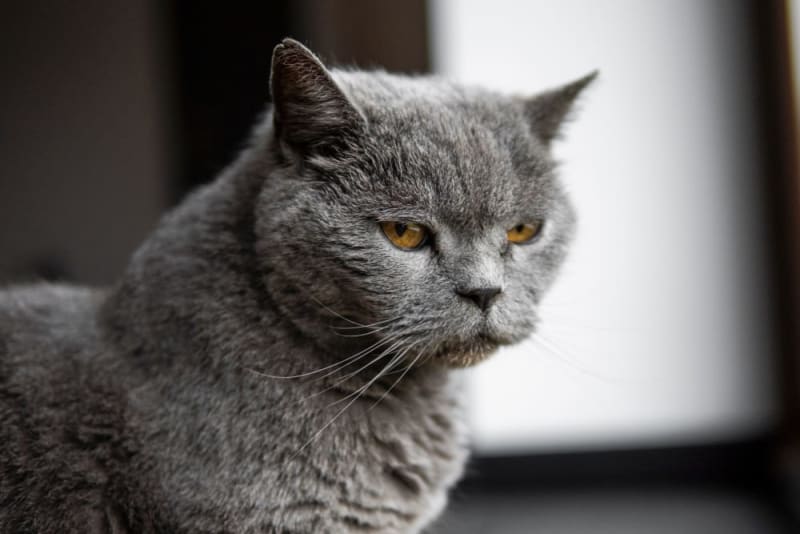
Keeping your senior cat healthy requires regular checkups with your veterinarian & proper at-home care.
Meet Your Cat’s Needs
Senior cats often benefit from a little extra TLC. Sometimes they forget to eat & drink or find it to difficult to navigate up & down stairs to find their bowls. Be sure your aging fur baby has easy access to fresh food & water daily.
Cats also love warm places, & senior cats especially will seek out a warm spot. Consider getting your cat a heated cat bed. Additionally, your senior may benefit from some extra helping grooming with weekly brushing.
Finally, keeping a litter box on every floor is helpful for senior cats who may forget where the box is or have mobility issues preventing them from going up & down stairs to get it to easily. A low, large litter pan can be helpful for their joints, too.
Keep Up With Regular Vet Visits
A complete physical exam is recommended every 6 months for all cats over 7 years old. If that seems like a lot, consider that biannual vet visits would be the equivalent of a human seeing their doctor every 3 to 4 years. Because cats are notorious for hiding their diseases, exams & wellness testing are the cornerstones of keeping a senior cat healthy.
During a basic wellness exam for older cats, blood work will likely be recommended by your veterinarian. This often includes a thyroid level check, a complete blood count, chemistry panel, urinalysis, & heartworm, FeLV, & FIV screening.
Routine blood pressure checks are typically advised for all cats over 10 years of age & in cats with diseases commonly associated with hypertension (high blood pressure) such as kidney disease, diabetes, & hyperthyroidism. Additionally, abdominal ultrasound or chest or abdominal radiographs may be recommended to help screen for disease.
Observe Your Senior Cat Closely
Any physical or behavioral change in your cat can mean something is going on with their health. It’s important to take note of any changes & contact your veterinarian for guidance.
Regular weigh-ins at home can be helpful for keeping tabs on your senior cat’s health. Buy a good quality scale, like the Brecknell MS15 Digital Pet Scale to catch sudden weight loss early & easily. A scale that weighs accurately to an ounce or less is best.
Best Food for Senior Cats
Your cat’s annual blood work is a great way for veterinarians to determine if a change in nutrition is needed for your senior cat. Protein level & phosphorous levels are 2 of the most critical analyses that need to be considered.
Senior cats should be fed a senior-specific diet to meet their needs. Most veterinarians would recommend making the transition to a senior diet around 7 years of age.
The choice between over-the-counter diets versus prescription diets & dry kibble versus canned food will be based on a lot of factors, including your specific cat’s health & weight. Check with your vet about the best food for your senior cat.
In short, all of these things can help to create a cat-friendly care plan, diet, & home environment for senior cats. With this guide, you can catch problems early so your kitty will truly enjoy those golden years!
Cherished Cat Pics: Puddytat


Weekly Cat Chuckle:


No comments:
Post a Comment