
18 Types of Turtles You Can Keep as Pets
By Lauren Jones, VMD. Reviewed by Sean Perry, DVM
3/ 28/ 2025
Different types of turtles can make great pets, but not all turtles are ideal for every household due to their behavior & ability to spread salmonella. Like all reptile species, they require a certain amount of veterinary care & complex habitat & diet requirements.
Because there are many types of pet turtles to choose from, it is important to research full-grown size, general habitat requirements, & lifespan to find the best fit for your family.
Popular Turtle Species
Red-Eared Slider
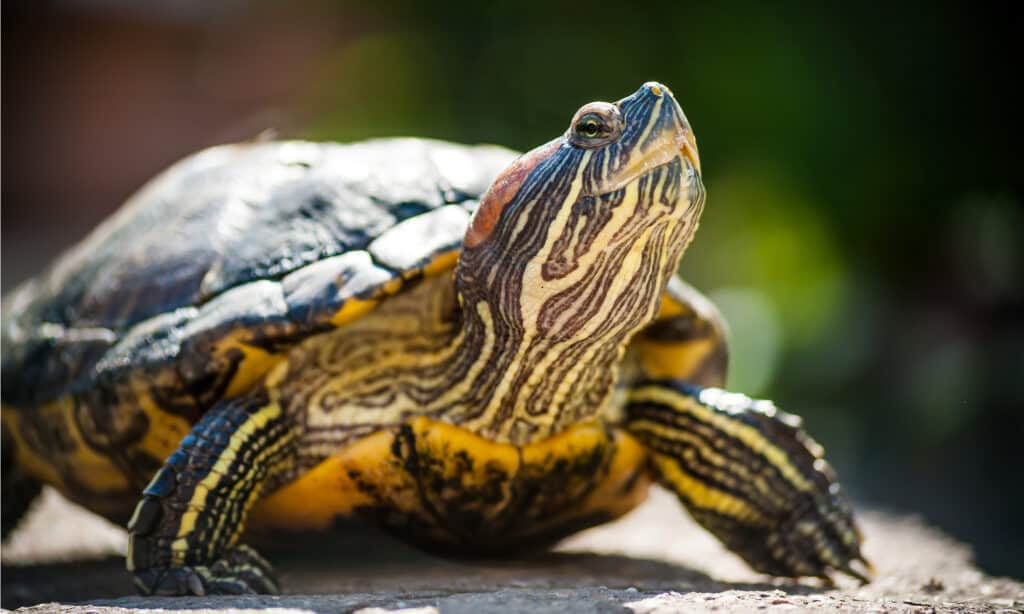
Red-eared sliders are be the most commonly sold aquatic turtle & tend to be more social. They can live over 30 years & grow 12–14 inches long. This species grows quickly & can outgrow a 20-gallon habitat within a couple of years.
Based on their enclosure requirements & diet needs, red-eared sliders may be more expensive & difficult to keep than other options.
Painted Turtle
Painted turtles are known for beautiful markings on their body & shell. They do not enjoy handling & can be shy—therefore interactions should be kept to a minimum.
There are 4 types of painted turtles, including the Eastern, the Midland, the Western, & the Southern.
This species is social with other turtles, if enough space is given.
Map Turtle
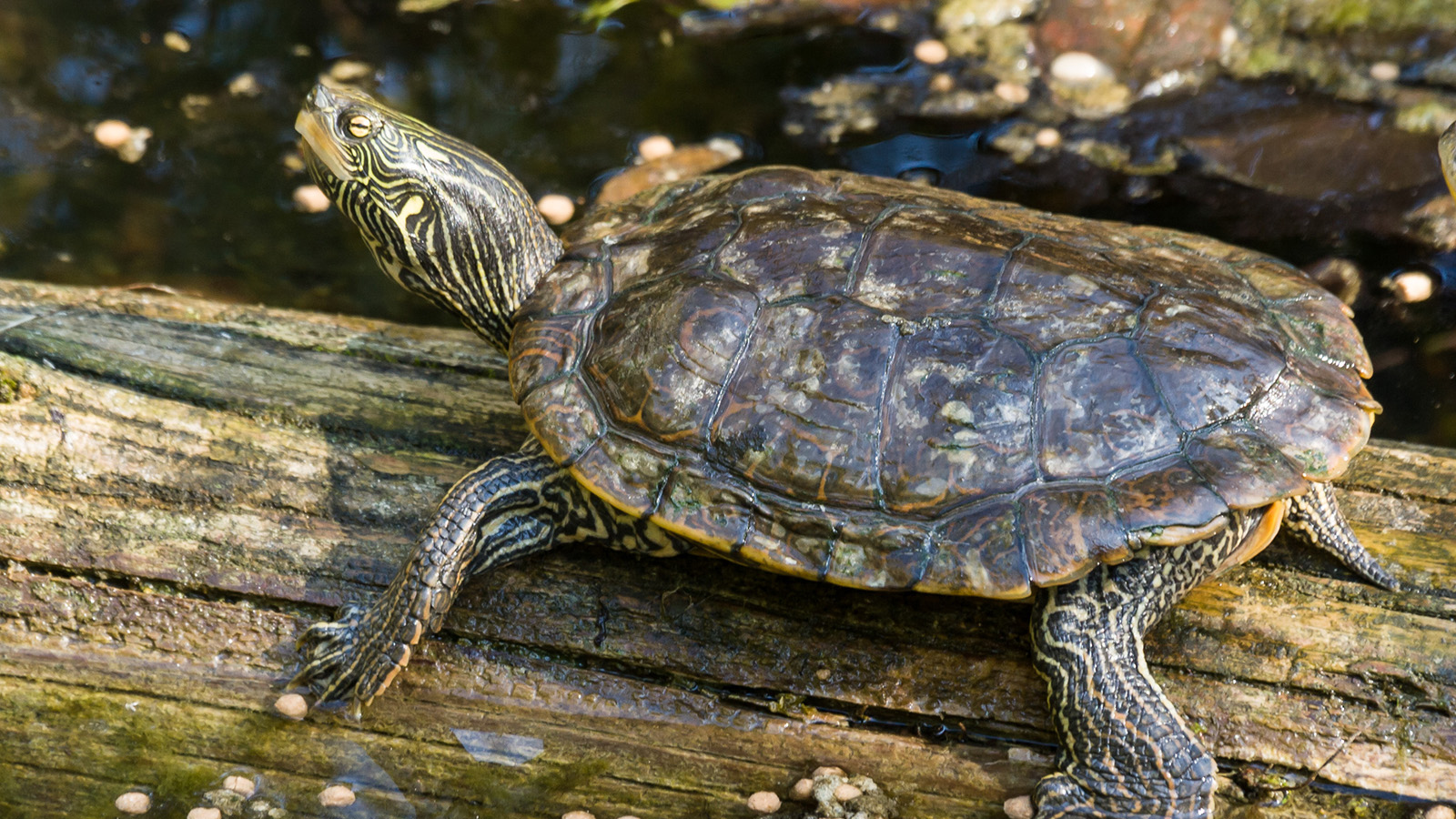
Map turtles are known for having a “fin” running down the back of their shell.
This species may have a shorter lifespan than other species.
Females grow up to 12 inches long, while males may only grow to 5 inches.
Cooter Turtle

Most commonly found in the southern states, cooter turtles are also known as redbelly turtles & often grow to over 12 inches. They typically have yellow lines running down their head, neck, & legs.
They are sensitive to proper water quality, so good filtration is required. Opt for a high-quality turtle tank filter, & clean your cooter turtle's tank regularly.
Stinkpot or Musk Turtle

Musk turtles are small—only 3–5 inches—& may have less complex care than other turtles. They are not social with people & should only be handled when required.
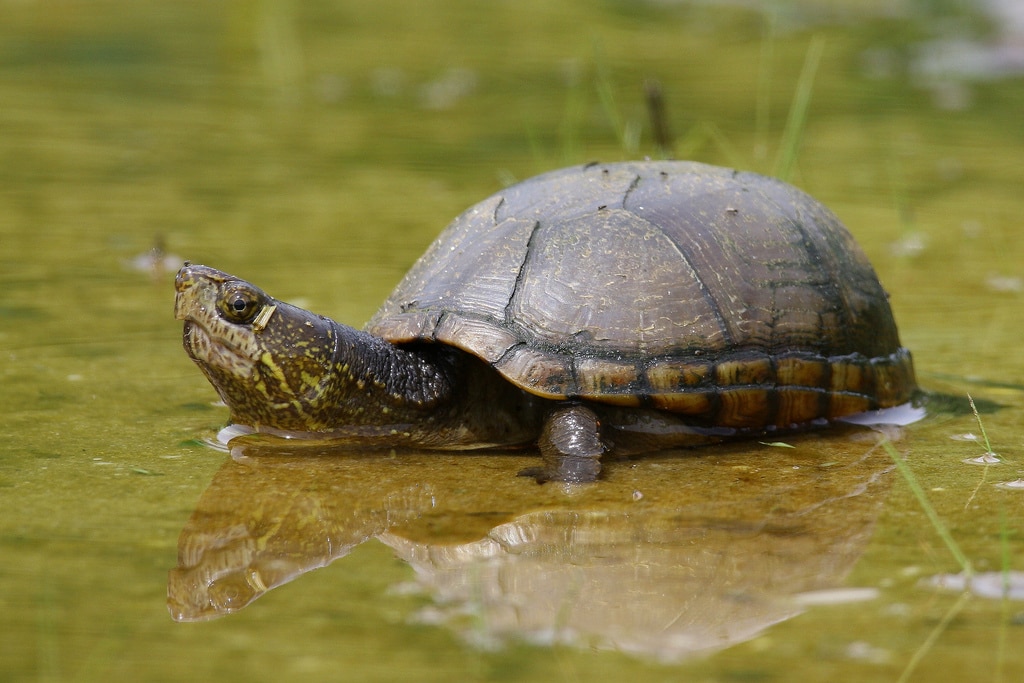


These turtles are very large & also aggressive—they may bite & scratch when threatened.
Spotted Turtle

Spotted turtles are one of the smallest species of pet turtles, at only 3–6 inches. They have a distinct polka-dot pattern on their shell.
This species is known for its longevity—with some spotted turtles recorded living over 100 years old.
Wood Turtle
Wood turtles are more friendly in the right environment. They are not true aquatic turtles, so their water must not be too deep to prevent drowning. They grow up to 8 inches long.
Wood turtles may not be legal to keep as pets in all states, so check your local laws before adopting a pet wood turtle.
Yellow Pond Turtle
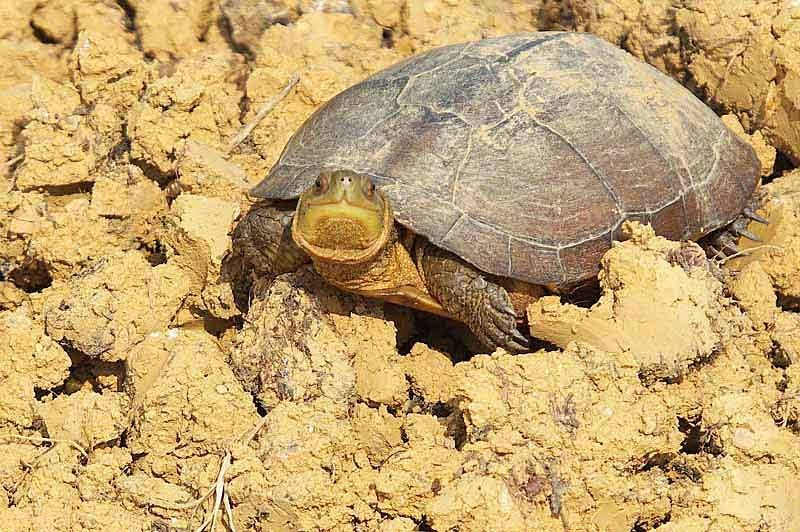
Yellow pond turtles are rare turtles that love to swim & are social with other turtles. Only growing to around 6–7 inches, these turtles have a yellow stripe behind their eye & down the neck.
Yellow pond turtles are threatened to become extinct in the wild.
Asian Leaf Turtle

Asian leaf turtles have rounded shells & grow up to 10 inches. They have a unique serrated or saw-tooth design on the shell margin, which may aid in protection from predators.
Reeve’s Turtle
Reeve’s turtles are one of the more social turtle species. They may even enjoy physical touch with caretakers over time, although it is still recommended to handle them as little as possible.
Reeve’s turtles have similar requirements as red-eared sliders, although at only 6–9 inches, they can manage in a smaller tank.
Reeve’s turtles are relatively healthy, but usually only live up to 20 years.
African Mud Turtle
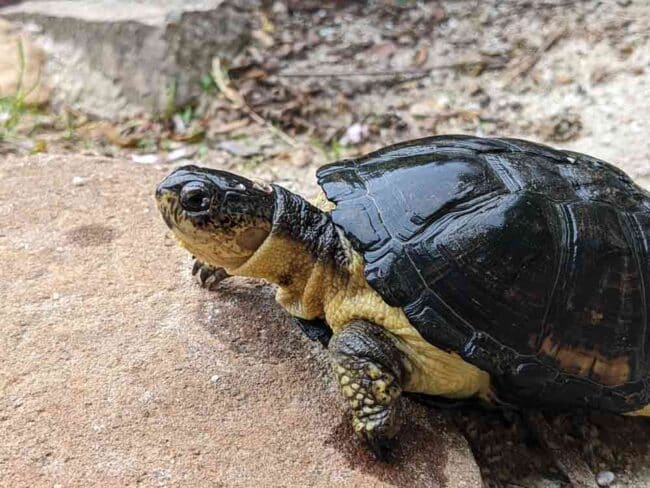
African mud turtles aren’t as flashy looking as some other turtles, & therefore a little less common as pets. However, they tend to be easy keepers with big personalities.
African Side Neck Turtle
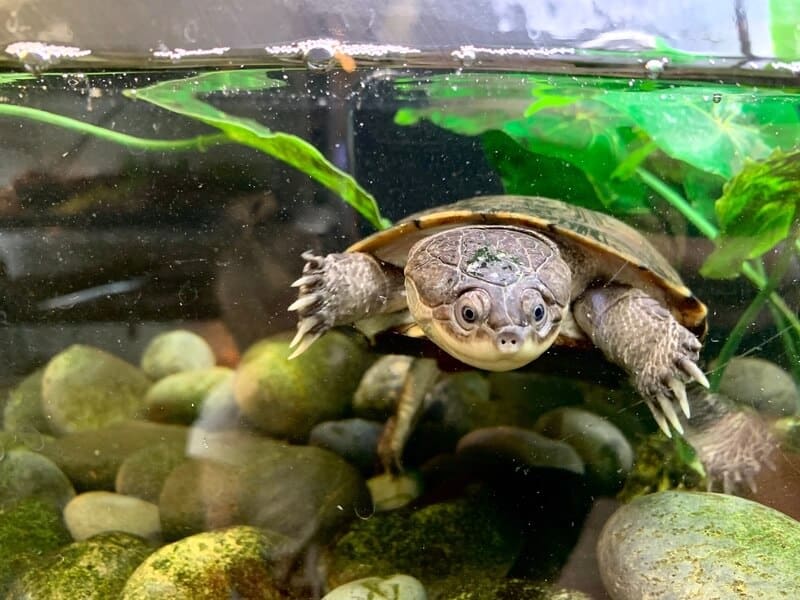
These turtles require pristine water—with at least weekly changes & a good filtration system.
Even though they are small, this species requires at least a 75-gallon tank with platforms & lights. They are best kept indoors.
Snake-Necked Turtle

Snake-necked, or long-neck, turtles are known for their snake-like neck that can fold into their shell.
They are rare in captivity & very difficult to keep healthy.
Big-Headed Turtle
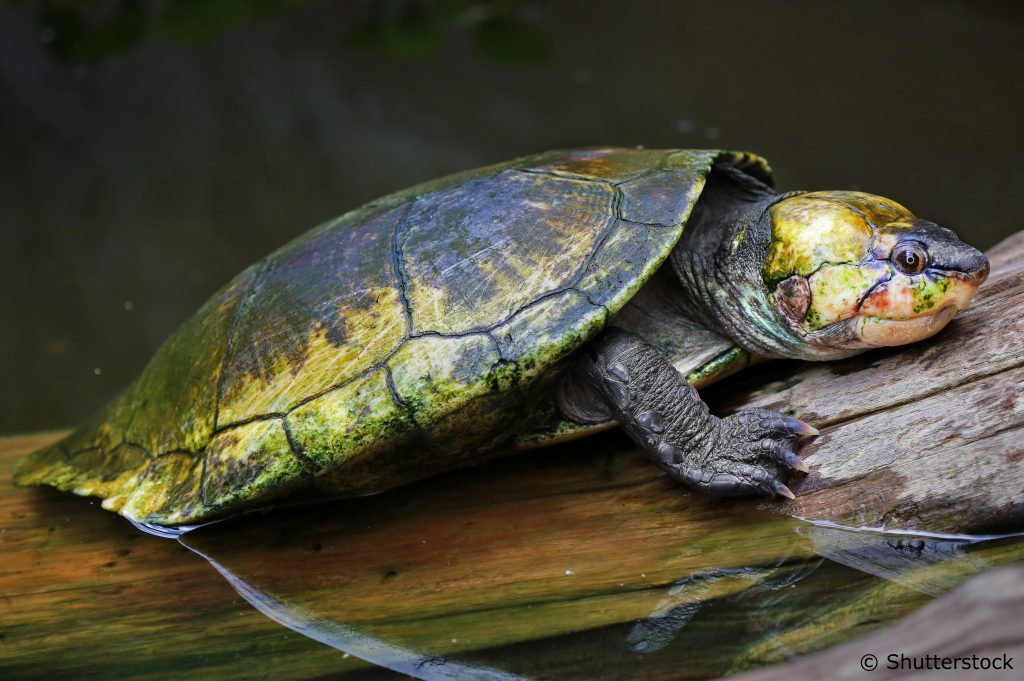
Big-headed turtles have large heads—so big that they cannot fit into their shell.
They are poor swimmers & relatively uncommon in captivity.
Mata Mata Turtle

They can grow quite large at over 2 feet & likely live between 40 & 75 years.
Cute Critter Pics:


.jpeg)
Weekly Chuckle:


No comments:
Post a Comment