

Updated 3/18/2025
The American Kennel Club (AKC) recently released its annual list of the most popular dog breeds, & this year’s results are largely similar to the last.
The French Bulldog maintained the title of the most popular dog breed in the U.S. for the 3rd year in a row. In fact, the top 5 dog breeds are the same, though there was some shuffling in the back half of this list. The Bulldog, for instance, dropped from No. 7 to No. 9, & the Rottweiler overtook the Beagle.
What other dog breeds were deemed the most popular in the country? We’ve got a rundown of the results, & what you can expect from each if you’re looking to add one of these sought-after breeds to your home.
1. French Bulldog

The French Bulldog has been climbing the ranks in popularity over the last 10 years, according to the AKC. They were first named the most popular dog breed in 2022 & still hold that title today.
It’s not hard to see why—Frenchies, as they’re often called, are easygoing, happy, compact dogs with a good-natured temperament & a bright personality.
They enjoy short walks, playing fetch, & games of tug-of-war. Their smaller size is ideal for any type of home, which has no doubt contributed to their popularity.
French Bulldogs are prone to a handful of health issues, though, including brachycephalic airway syndrome, ear infections, & back injuries.
Frenchies, like other breeds, should be fed a size & age-appropriate diet, & cleaning their ears regularly can help prevent frequent ear infections.
2. Labrador Retriever
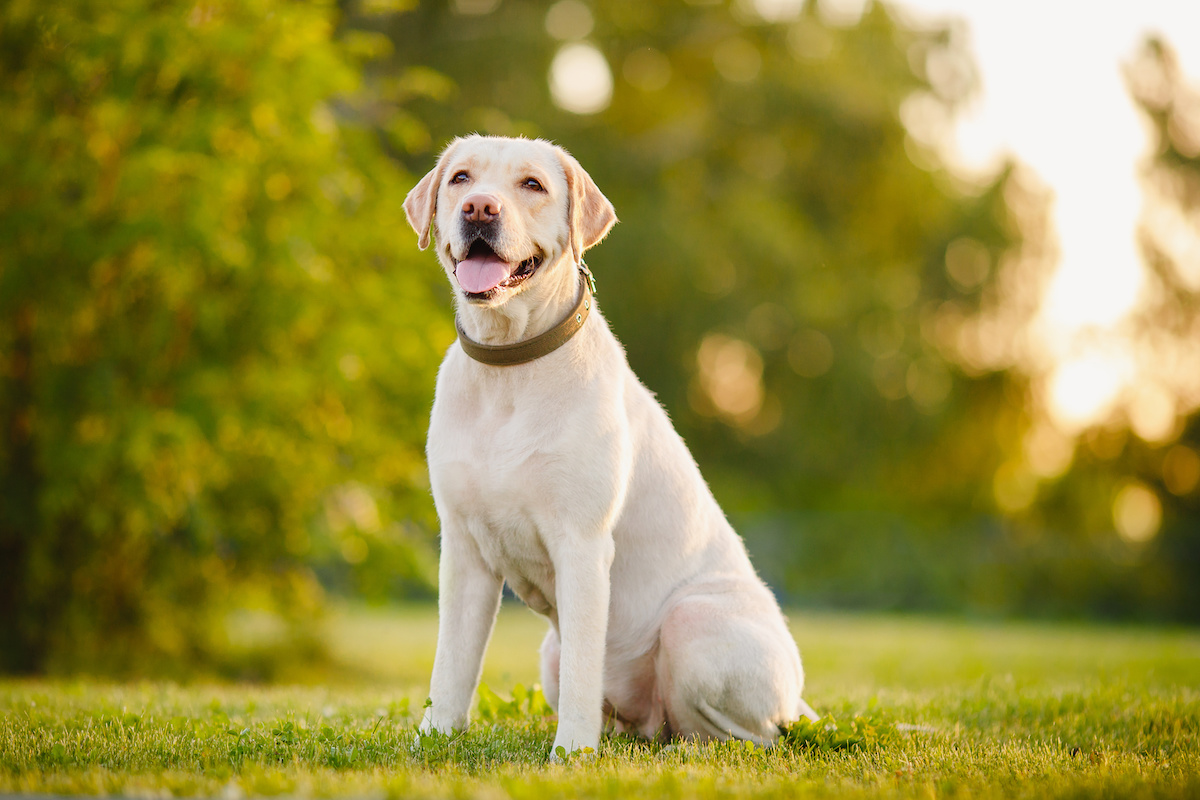
Labrador Retrievers are known for their affectionate nature toward everyone they meet—even strangers—& they do exceptionally well with children & other dogs. This breed loves the water & makes a great companion for families who spend a lot of time outdoors.
Labrador Retrievers love to play & are known to be highly energetic throughout most of their lives. They should be fed a high-quality diet appropriate for their age & size, & exercised regularly to maintain a healthy weight. Frequent games of fetch will keep your Lab active.
Labs are a generally healthy breed, but common health issues include hip & elbow dysplasia, ear infections, & exercise-induced collapse.
3. Golden Retriever
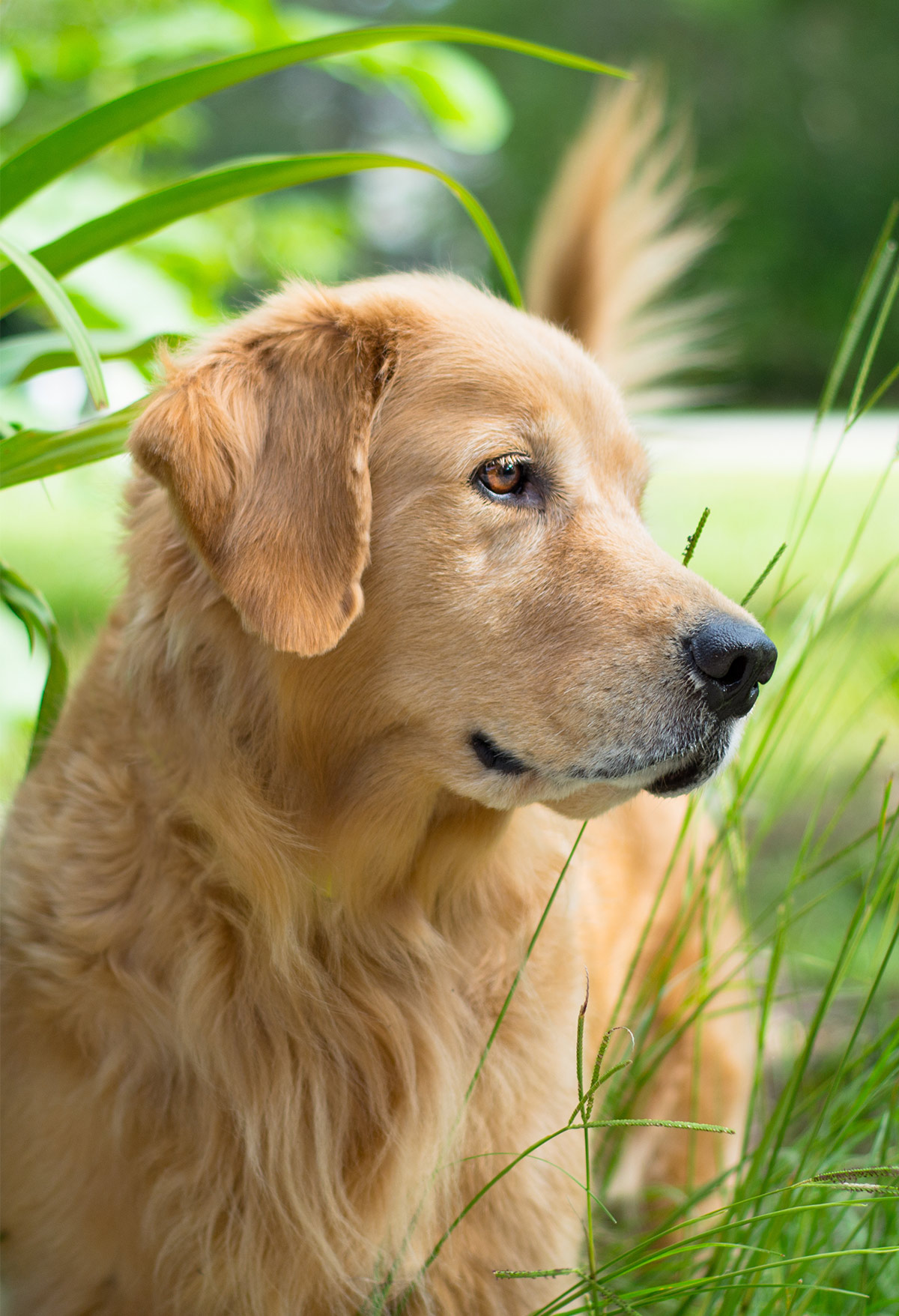
Goldens enjoy a wide variety of activities, including running, long walks, retrieving, & swimming. They also make excellent therapy dogs & guide dogs for people with impaired vision. Goldens thrive with regular activity & enrichment, & being fed a large breed-specific diet.
Golden Retrievers are usually healthy dogs, but some may have allergies, heart disease, eye issues, & hip dysplasia.
4. German Shepherd

These pups love having a job to do, & German Shepherds are commonly used as working dogs in the military & police for patrolling, bomb sniffing, & search & rescue. A German shepherd named Mercedes also won the herding group in the 2024 Westminster Dog Show.
Although they have a long life expectancy for a large breed dog, they are prone to health issues such as gastric dilation & volvulus (which can be life-threatening), as well as cancer, allergies, & heart disease. German Shepherds should be fed a large breed-appropriate diet, & puppies should be fed a large breed puppy food.
5. Poodle

As an athletic, smart, & good-natured breed, the Poodle rounds out the top 5 most popular dog breeds. This breed comes in 3 distinct sizes: Standard, Miniature, & Toy.
Their recognizable curly coat gives them their reputation as “hypoallergenic” dogs & requires regular & consistent grooming by a professional to stay healthy & mat-free. Regular brushing & combing at home can help decrease tangles between grooming appointments.
Poodles generally have a kind & friendly personality, but they’re very energetic & do best with regular exercise & training. A few health issues to keep an eye on include hip dysplasia, idiopathic epilepsy, & Von Willebrand disease.
Poodles should be fed a diet based on their size & age. Toy Poodles, Miniature Poodles, & Standard Poodles may all thrive on different food formulas because of the difference in their sizes.
6. Dachshund

Dachshunds are commonly called “Doxies,” or “wiener dogs,” & they’re known for their long silhouette, short, & muscular legs, brave & energetic personality, & alert nature. They’re also known for being willful, headstrong, playful, & mischievous.
Although Doxies are down for anything their favorite humans are doing, these pups aren’t built for extensive running, jumping, or swimming—all these activities can make them susceptible to injuring their long back. Offering a ramp or dog stairs in the house is great injury-prevention for long-backed Dachshunds.
Instead of high-impact activities, Dachshund pet parents should try low-impact, brain stimulating activities like scent tracking, nose work, & puzzle toys.
Dachshund parents should also consider a breed-specific food, since the breed is prone to joint & bone problems from their long backs & short limbs. Royal Canin's Dachshund-specific food contains calcium & phosphorus for additional bone & joint support.
7. Beagle

Beagles are famously led by their nose. This makes them a curious breed, but they’re also loving, affectionate, & active. Their sense of smell keeps their nose to the ground, & they love wagging their tails.
Beagles are also very smart, but they can be willful & have a short attention span when it comes to training. They respond best when you tap into their food-motivated nature! Using snuffle mats during mealtime will offer your Beagle some mental stimulation using their nose.
Common health issues that can afflict Beagles include ear infections, allergies, cherry eye, & obesity. Feeding your Beagle the recommended serving size of a size, age, & breed-appropriate diet will help prevent obesity.
8. Rottweiler
:max_bytes(150000):strip_icc()/headshot-of-rottweiler-678833089-5873e32f3df78c17b60f57a6.jpg)
Rottweilers are loyal dogs that are eager to please their humans. They’re intelligent & respond well to positive reinforcement training, but if they grow bored, they can develop unwanted behaviors to entertain themselves.
Providing mental stimulation is important for Rottweilers. They’re fans of running, hiking, dock diving, & tracking. Despite how active they are, the breed is prone to health problems including obesity. Feeding your Rottweiler the recommended serving sizes of a vet-recommended diet will reduce the risk of obesity.
9. English Bulldog
:strip_icc()/bulldog-4584344-hero-8b60f1e867f046e792ba092eec669256.jpg)
Another identifiable breed—thanks to their wide stance, muscular low profile, & flat & wrinkled face with an underbite—Bulldogs (commonly called English Bulldogs) are a popular dog breed with a laid-back attitude.
Though they have a reputation for laziness, but the breed does enjoy (& benefit from!) daily moderate exercise. Exercise could include brisk walks & backyard games of tug-of-war, but keep all exercise out of the sun—thanks to their smooshed-in face, Bulldogs can easily overheat.
Bulldogs should be fed a breed, age, & size appropriate diet to maintain a healthy weight.
Bulldogs also commonly have skin & ear issues, most often due to allergies or moisture getting trapped in their adorable wrinkles. Wipe your Bulldog's face using a cleansing dog wet wipe to keep them clean.
10. German Shorthaired Pointer

German Shorthaired Pointers (GSP for short) are known for their speed, agility, & endurance. They’re often trained as hunting dogs & will point & signal when they’re trailing a game scent by stopping & standing with their nose pointing in the direction of the scent.
Despite their need for adventure, they’re typically a low-maintenance breed. Running, fetching, or agility games are great ways to spend time with them. But be on the lookout for health issues such as bloat, hip dysplasia, & elbow dysplasia.
Cute Critter Pics:





No comments:
Post a Comment