Wednesday, July 30, 2025

July 30/2025


How to Care for Your Guinea Pig: A Guide for Pet Parents

By Emily Johnson. Reviewed by Melissa Witherell, DVM

8/28/2024

If you’re looking for an easygoing, friendly, medium-maintenance pet for your family, a guinea pig is a great option.

These adorable, vocal rodents, members of the Caviidae (cavy) family, are perfect for older children & first-time pet parents.

But before bringing a guinea pig home, it’s important to know how to properly care for one to give them a healthy & happy life.

Guinea pigs can live, on average, 4 to 8 years when given the right care. A proper diet, socialization, enrichment, grooming, & vet care are all essential parts of guinea pig upkeep.

Here’s how to care for your guinea pig.

Hold Your Guinea Pig Properly

As much as you may want to snuggle your new friend, not all guinea pigs are used to being held.

It’s best to go slowly & show them that being held can be a sweet & positive experience.

Here are some tips on how to hold your guinea pig properly:

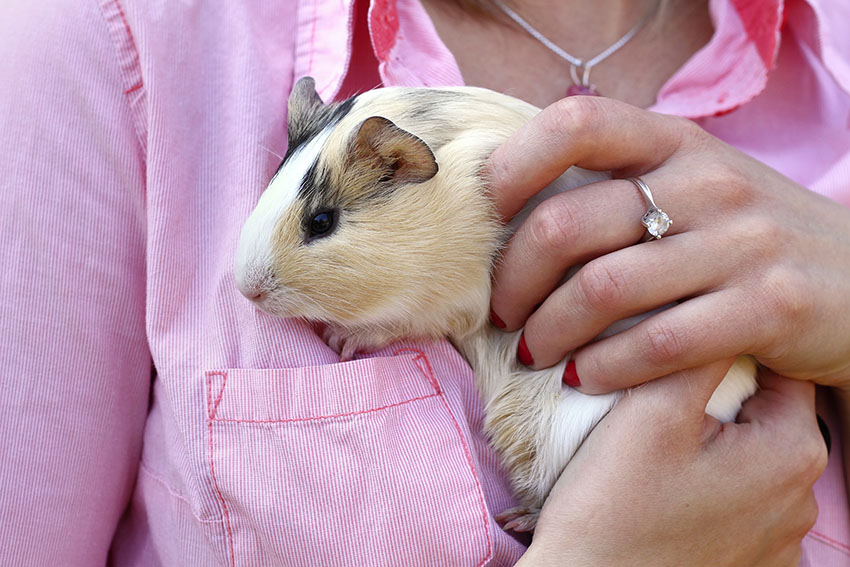
Start by gently & slowly approaching your guinea pig. Talking to your guinea pig helps, sometimes letting them sniff your hand before petting their head & keeping the energy relaxed. Don’t pet their lower body, as this may startle your guinea pig.

Once they seem calm, scoop one hand under their chest, just behind their front feet. Your other hand can hold their hind end. Make sure that you support all your guinea pig’s feet.

Hold your guinea pig close to your body for the best support & to prevent them from jumping or wiggling away, potentially leading to an injury.

For more security, use a small blanket & wrap it around your guinea pig as you hold them. Guinea pigs can injure their backs when they fall, causing spinal cord damage or spinal fractures, so it’s important to keep that in mind when handling them.

Hold them firmly, but never squeeze. They may squeal & squirm, but this is normal until they get used to being held.

Never hold your guinea pig upside down or on their back—they’re prey animals & these positions can be terrifying & dangerous for them.
Give Your Guinea Pig a Balanced Diet

In the wild, guinea pigs eat grass & the occasional wild fruits & veggies. Pet guinea pigs should have a similar, well-rounded diet.

Hay

Grass hay should make up the majority (75%) of your guinea pig’s diet.

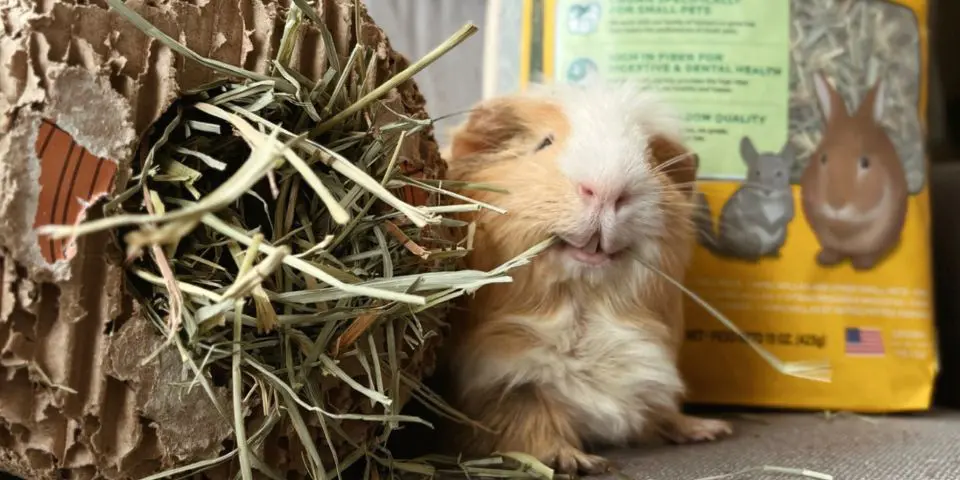
Timothy & orchard hays are popular choices with high fiber content to aid in digestion. Pet parents should offer their cavy unlimited hay, which also helps prevent common dental issues & gastrointestinal (GI) problems.

Alfalfa hay can be a good occasional treat once a week or once every other week, but it should be given sparingly or at the discretion of your veterinarian.

The high protein levels can cause obesity while the high calcium levels can lead to bladder stones.

Pellets

High-quality grass pellets help give your guinea pig a balance of vitamins & minerals. Pellets are a great additive to your guinea pig’s diet but should never be used as a replacement for hay.

They have a high amount of protein, & your guinea pig should only need 1 to 2 ounces daily.

It’s also important to avoid giving pellets containing seeds, charms, or nuts, & only feed pellets specifically for guinea pigs.

Seeds, charms, & nuts are high in fat and calories & don’t have the nutritional value that high-quality pellets do.

Vegetables

Adding raw vegetables to your guinea pig’s diet can offer them extra vitamin C—which guinea pigs can’t create on their own—& be a special, yummy treat.

Good veggie options to feed include:

Brussels sprouts

Broccoli

Turnip greens

Kale

Parsley

Dandelion greens

Romaine

Leafed lettuce

Clover

A cup of vegetables such as leafed lettuce & romaine can be given every day.

But vegetables higher in calcium like clover, parsley, turnips, kale, broccoli, & Brussels sprouts should only be given occasionally.

Fruits

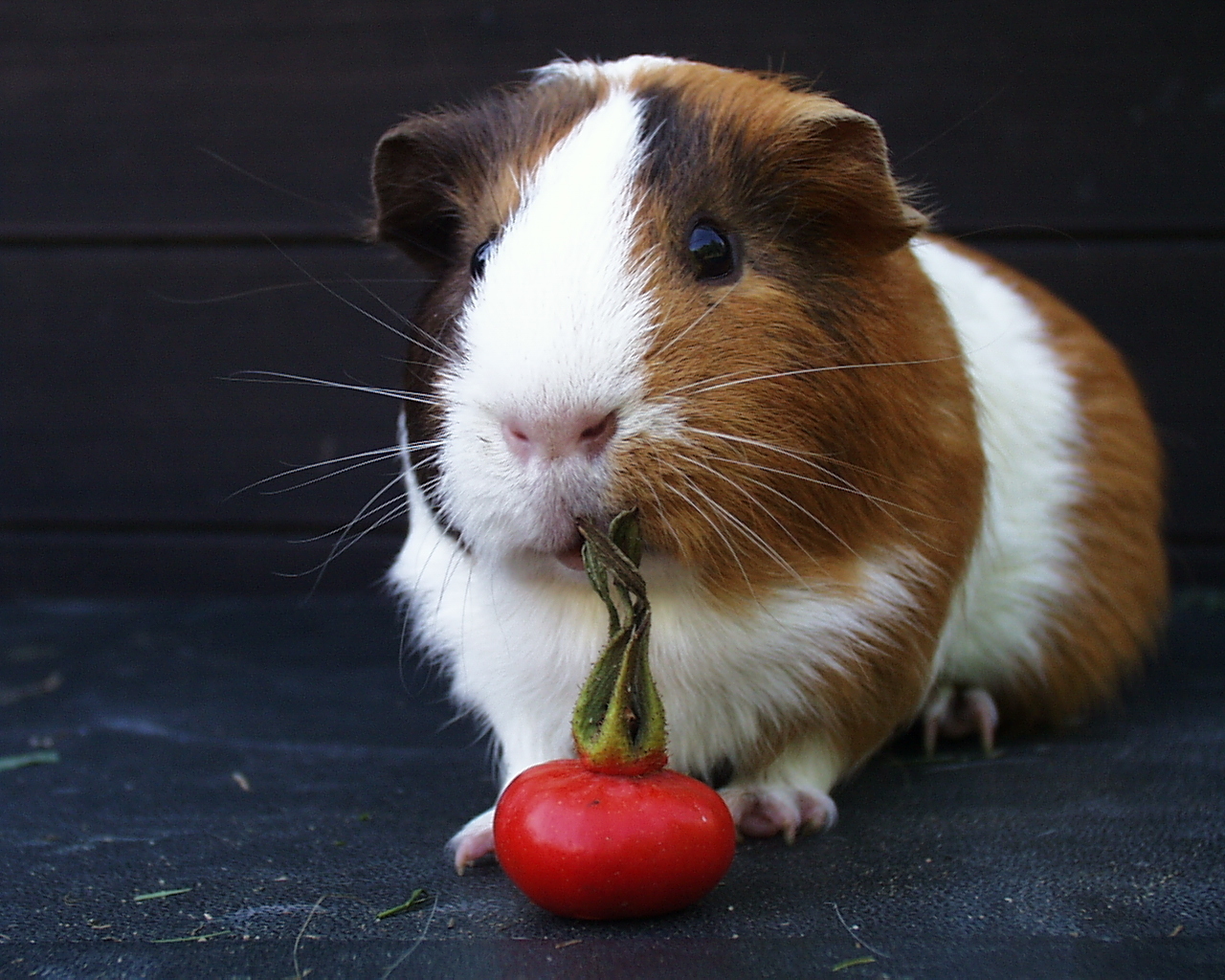
Fresh fruits can also make tasty treats but should only be given occasionally—once or twice a week at most. Most fruits are high in sugar, which can upset your guinea pig’s stomach & lead to obesity.

Many cavies enjoy grapes or apples, which also help them obtain vitamin C.

Treats

Like fruit, treats should be given in moderation. Most store-bought treats are high in sugar & other fatty ingredients, which can lead to obesity or diarrhea in guinea pigs.
Create a Fun, Large Enclosure

By standard, guinea pig cages should be at least 2 feet by 3 feet. Guinea pigs enjoy having room to explore & run around, so the more space the better!

Include supplies like:

Proper bedding

A hideout &/or house

A water bottle

Enriching toys

A hay rack

Food bowl

Tunnels

Ramps

Provide Cuddle Time & Socialization

Guinea pigs love to explore outside of their cages & should be allowed out at least once a day, though this should always be supervised.

Give your cavy regular “lap time” with gentle pats & cuddling to strengthen your relationship with them, along with plenty of “floor time” for zoomies (sprinting caused by excitement & happiness) & playing.

This can be done in a designated safe zone in your home or in a playpen.

Make sure all wires, cords, or anything else potentially dangerous is outside of chewing range.

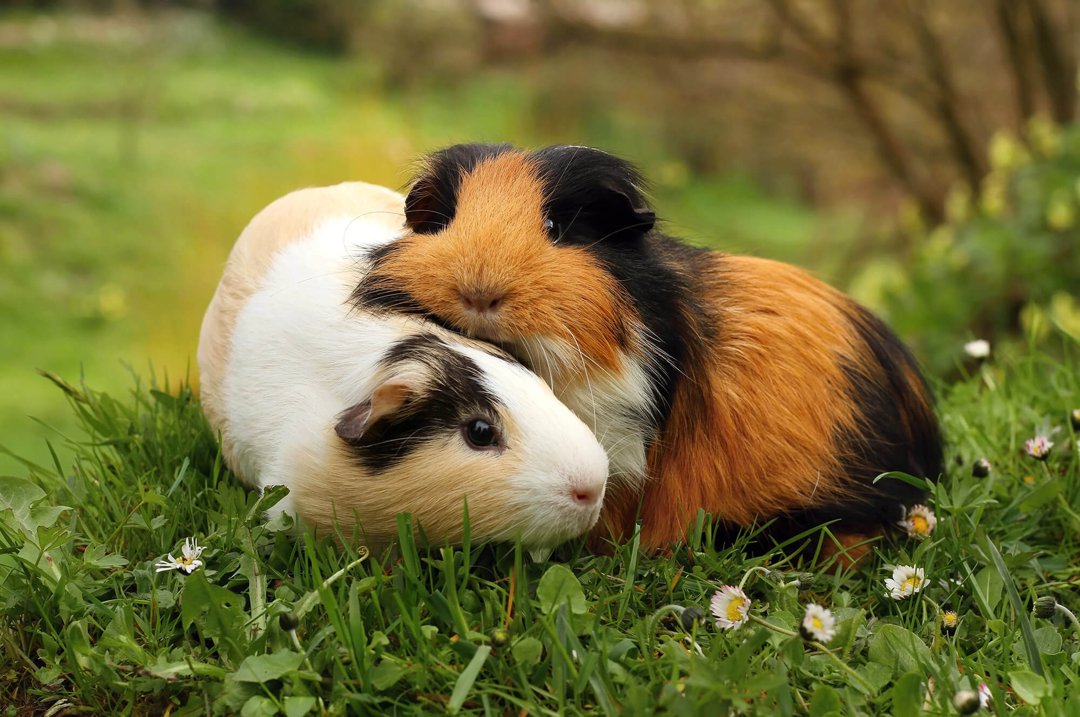
Guinea pigs are social creatures & do well in pairs. They are still good solo pets, if you give them plenty of love, care, & attention.

Start slowly to let them get comfortable with your presence. Offer treats from your hand & give them some gentle pets & lots of lap time!

Offer Plenty of Toys & Enrichment

Having a mentally & physically stimulating environment is vital for your guinea pig’s overall health.

Adding in toys & enrichment—snuffle mats, tunnels, & hanging chews—gives your guinea pig ways to keep busy, have fun, & maintain their teeth & claws (both of which are constantly growing).

These items can be added to their enclosure & used while having playtime outside of the cage.
Keep Up With Grooming

Guinea pigs are typically low maintenance when it comes to grooming. The most common care they need includes nail trims, dental care, & brushing their coat.

Nail trimming: All cavies need to have their nails trimmed, though the frequency will vary depending on their age, diet, & activity level. Pet parents can do this at home with a small animal nail clipper, or take them to the vet for trims if they prefer.

Dental care: Like their nails, guinea pigs have “open rooted” teeth that grow continuously. They’re typically worn down as your guinea pig chews & eats their hay every day.

If your guinea pig primarily eats pellets, their teeth won’t wear down properly & they’re susceptible to root impactions. If you notice drooling or a decreased appetite, it’s best to have your guinea pig seen immediately by their vet.

Coat brushing: Guinea pigs come in a variety of coat lengths, so brushing may look different depending on how long your pet’s hair is.

Short-coated breeds are fine with weekly brushing, while those with longer hair may need more frequent brushings to avoid matting. A narrow-toothed comb is best for catching & detangling their fine hair.

Guinea pigs clean themselves & typically don’t need to be fully bathed unless covered in urine or feces.

A quick “butt bath” (where their hind end is quickly shampooed & rinsed off) is usually all it takes to get them clean again should that happen.

Avoid bathing your guinea pig unless your exotic pet veterinarian recommends it.
Provide Good Veterinary Care

Guinea pigs, like most household pets, should be seen by a veterinarian at least once a year for a regular physical exam. It’s important, though, to find an exotic vet who specializes in guinea pigs.

Guinea pigs are good at hiding when they're sick, so keeping up with regular vet visits is essential to catch any problems early on.

They’re prone to dental problems & infections (due to being so close to the ground), so having toys to chew on & a clean cage will help prevent these.

If you notice any unusual symptoms from your guinea pig, it’s best to have them checked by a vet.

Keep Your Guinea Pig Safe & Healthy

While daily care & maintenance are important for your guinea pig, here are some other tips for keeping them safe:

Keep guinea pigs separate from other pets in the house, especially if they’re predatory (e.g. dogs, cats, ferrets). If you share your house with multiple animals, use a gate to section off rooms as safe zones for your guinea pig.

Avoid placing your guinea pig’s enclosure in direct sunlight or exposed to drafts. Guinea pigs can’t sweat & are prone to overheating, which can be fatal. Ideally, they should be kept at 65 F to 75 F & never over 80 F.

Clean your guinea pig’s enclosure daily. They can produce large amounts of urine that can soak into their skin & cause ulcers or infections if not cleaned properly.

Keep your guinea pigs in a quiet room that is visited regularly but doesn’t get a ton of foot traffic. They are easily stressed, especially around loud noises.

Make sure your guinea pig has plenty of water, preferably from a water bottle, not a bowl, to avoid contamination.

Add a soft, solid floor (such as a children’s foam mat) as the base of your guinea pig’s cage, then line with a guinea pig-friendly fleece to prevent them from developing ulcers, sores, or infections on their feet, like bumblefoot.

Guinea pigs are great family pets who enjoy affection & interaction.

But while they are generally low-maintenance pets, it’s important to remember that they still require daily love, care, & attention.

How to Care for Your Guinea Pig: A Guide for Pet Parents | PetMD

Cute Critter Pics: 


Weekly Chuckle:

Slava Ukraine!


Wednesday, July 23, 2025

July 23/2025


The 5 Most Expensive Dog Breeds In The World
By Sanaphay Rattanavong   
Updated: 12/ 4/ 2024
Owning a dog comes with significant financial commitments, particularly for some of the world's most expensive breeds. These costs can be influenced by various factors, including adoption or breeder fees, which, depending on the breed, & purebred status, can run north of $4,000. Popular breeds in high demand often have premium prices that reflect their desirability. Those who have a history of winning at award competitions, for instance, may come at a higher ticket than those who do not. 

Other breeds cost more money based on specific health needs. Larger breeds often require more expensive diagnostic tests and care. Dogs from poor breeding may have hereditary health issues, leading to costly medical needs. Working breeds need extensive training to stay mentally stimulated, adding to expenses. Some breeds are prone to hereditary conditions requiring surgery, & large dogs with high grooming needs further increase costs. Knowing how to read a dog's pedigree can help you better understand why those prices exists. 

And your puppy budget doesn't necessarily end there: Aside from what Halloween costume you may want to fit your dog with, significant optional costs may come into play, such as pet insurance & training classes. Understanding the financial impact of these breeds can help you plan for the lifelong care of your pets. However, there are certain luxury breeds that are guaranteed to cost a premium price, no matter how frugal you are.

Mastiff appeal
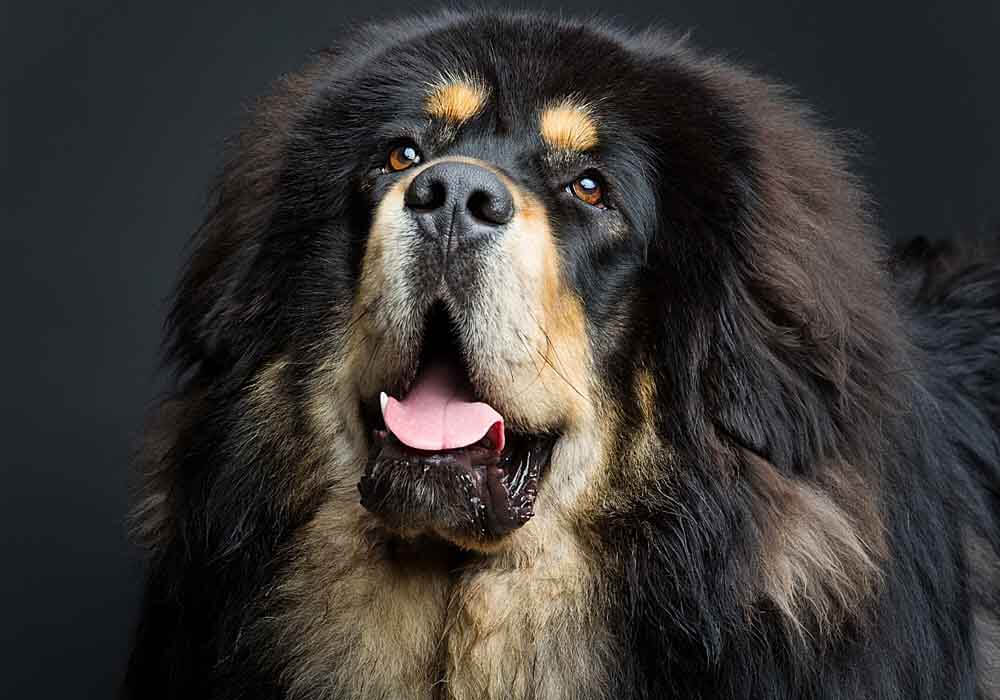
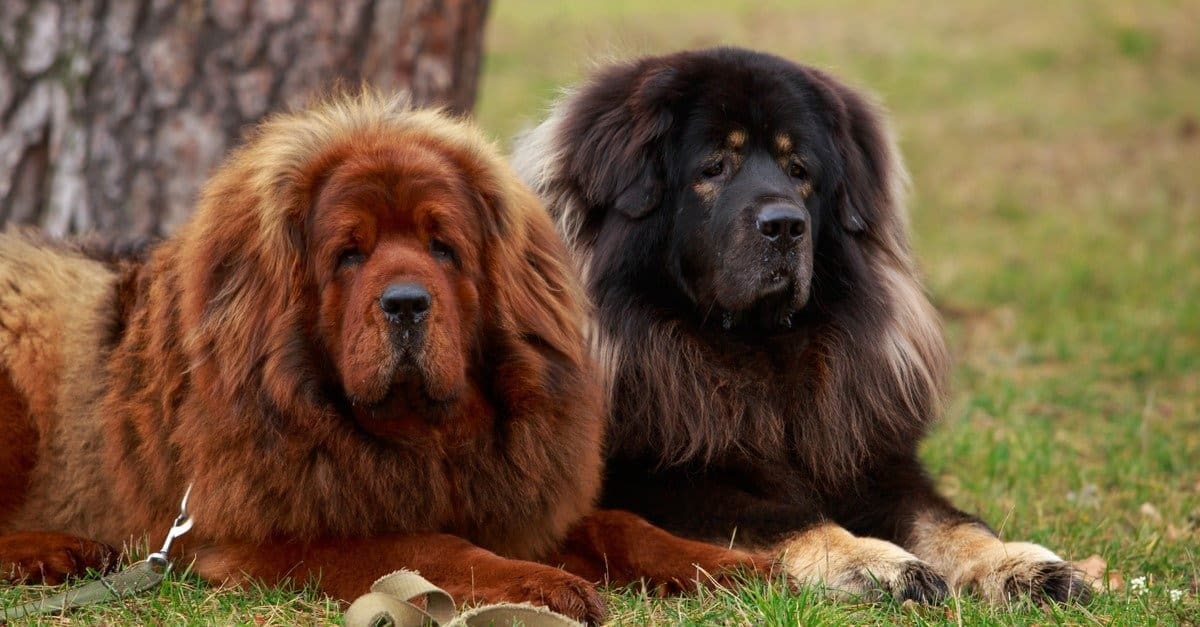
The Tibetan mastiff is widely regarded as the most expensive dog breed in the world, with prices that can reach millions of dollars. This extraordinary cost is driven by several key factors, including the breed's rarity, especially outside of its native regions, & its status symbol among the wealthy elite, particularly in China. One of the most notable examples of its value occurred in 2014, when a Tibetan mastiff puppy was sold to a Chinese businessman for a staggering $1.95 million, setting a world record.

Beyond its rarity, the Tibetan mastiff's lion-like appearance & the challenges associated with breeding contribute to its high price. Breeding these dogs is difficult, often resulting in small litters, which increases their exclusivity & value. Additionally, their large size demands significant maintenance, from grooming to food expenses, making ownership a costly long-term commitment.

The price of healthy & well-tempered Tibetan mastiffs can vary widely, from around $2,000 for a standard puppy to the extraordinary sums seen in elite circles. Breeders with a reputation for producing healthy, well-bred dogs & those with champion pedigrees also contribute to the high price tag.

Bullish on English bulldogs
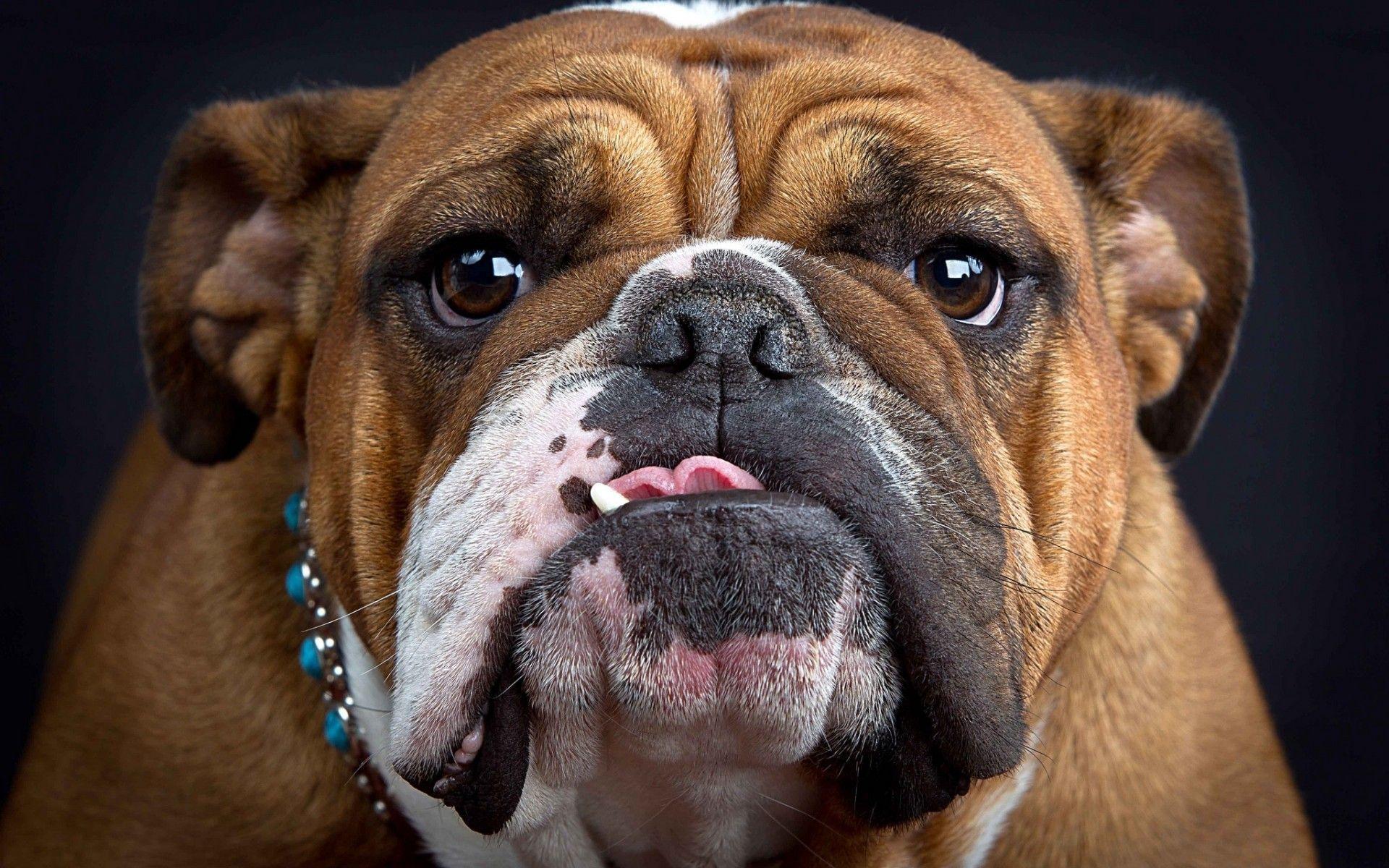
The English bulldog is known for its charming, low-key demeanor & its distinct wrinkled old-man face, making it a popular & beloved breed. However, owning one comes with significant financial commitments due to their predisposition to various health problems. On average, an English bulldog costs around $4,250, but costs can increase substantially when factoring in veterinary care.

Their brachycephalic (flat-faced) structure can lead to serious breathing difficulties, often requiring costly interventions. Additionally, English bulldogs are prone to hip dysplasia, which may necessitate surgery or ongoing medication. These health concerns, along with the reputation of the breeder & potential basic training services, contribute to the high cost of owning an English bulldog. Despite these expenses, their popularity continues to grow, especially after a bulldog named Thor won "Best in Show" at the 2019 National Dog Show.

Fancy French bulldogs
French bulldogs are consistently ranked among the more expensive dog breeds, with prices often exceeding $3,000 from reputable breeders. In 2024, NPR reported that this was due to surges in the breeds popularity further driving up their cost. Known for their playful, affectionate personalities & quiet demeanor — often limited to snorts & snores — French bulldogs have become beloved companions, particularly for families with children.

However, like their English bulldog counterparts, French bulldogs are prone to several health issues that can lead to significant veterinary expenses. Their brachycephalic features often result in breathing difficulties, requiring costly interventions. Additionally, they are susceptible to hip dysplasia, a condition that may require expensive surgery & ongoing care. These factors impact the French Bulldog's average life span.

While their grooming needs are relatively low, their wrinkles need regular cleaning to avoid skin problems, adding to the cost of ownership. Despite these concerns, their endearing temperament makes them a highly sought-after breed.

The smiling Samoyed
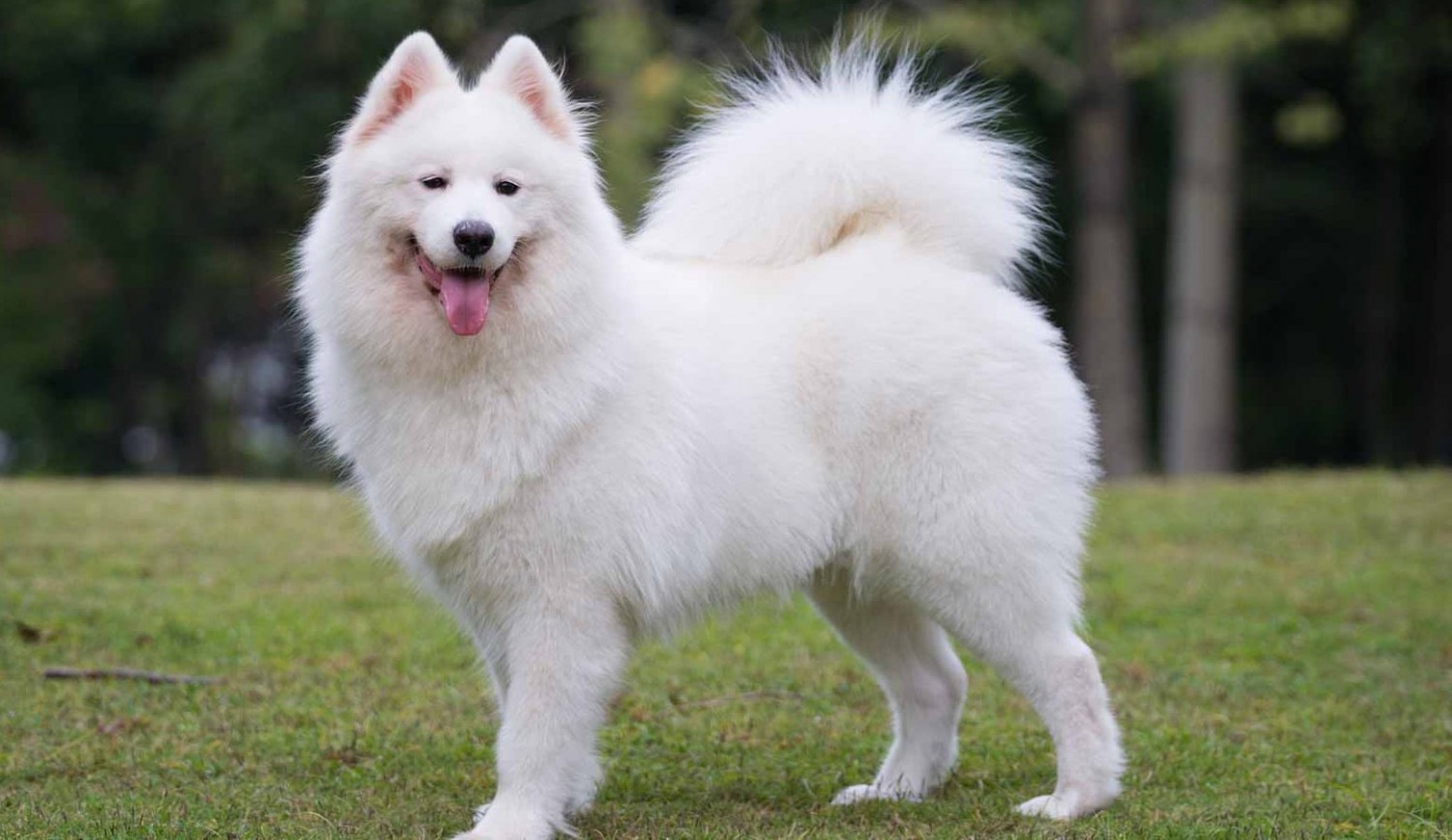
The Samoyed is a strikingly beautiful & cheerful breed, often recognized for its signature bright "smiling" face. However, owning one comes with a hefty price tag. Typically costing between $2,000 & $5,000, Samoyeds rank among the priciest dog breeds. Their rarity, coupled with increasing popularity, drives demand & prices even higher. Breeding challenges, such as small litter sizes, add to the limited availability of Samoyed puppies & increase their prices.

Samoyeds are also prone to hereditary eye problems & hip dysplasia, leading to potentially significant veterinary expenses throughout their lives. Their thick double coat requires extensive grooming, which can be costly, especially for owners who opt for professional services. Despite these expenses, Samoyeds are adored for their friendly temperament & are known to be affectionate with people of all ages. However, they require ample exercise & mental stimulation to prevent boredom, making them a demanding yet rewarding companion for dedicated owners.

Little lion Löwchen
The Löwchen, a type of Maltese dog, is known for its lion-like appearance & cheerful temperament. One of the most expensive dog breeds in the world, their adoption prices range from $4,000 to $8,000. That hefty price point is due to their rarity.

In the 1970s, only 65 known Löwchens remained globally. This vulnerability, coupled with their long European heritage, significantly contributes to their high cost & desirability among enthusiasts. According to CNN, in 1976, one Löwchen sold for what would be the modern day equivalent of $53,000 U.S. dollars.

In addition to their rarity, Löwchens require regular grooming to maintain their distinctive look. Their non-shedding coat demands frequent brushing & monthly trims. Over time, such maintenance expenses can add up. Despite these costs, Löwchens are known for their good health & longevity, making them a valuable companion for families. Their playful, yet calm demeanor makes them excellent pets, especially around children. Prospective owners should carefully consider the financial commitment involved, particularly for grooming, when choosing to bring home this rare & historically significant breed.

cuteness.com/1712603/dog-breeds-that-are-most-expensive/

Cute Critter Pics:


Weekly Chuckle:

Slava Ukraine!


Wednesday, July 16, 2025

July 16/2025


What Is a Cat’s Primordial Pouch?

By Janelle Leeson. Reviewed by Barri J. Morrison, DVM

3/21/ 2024

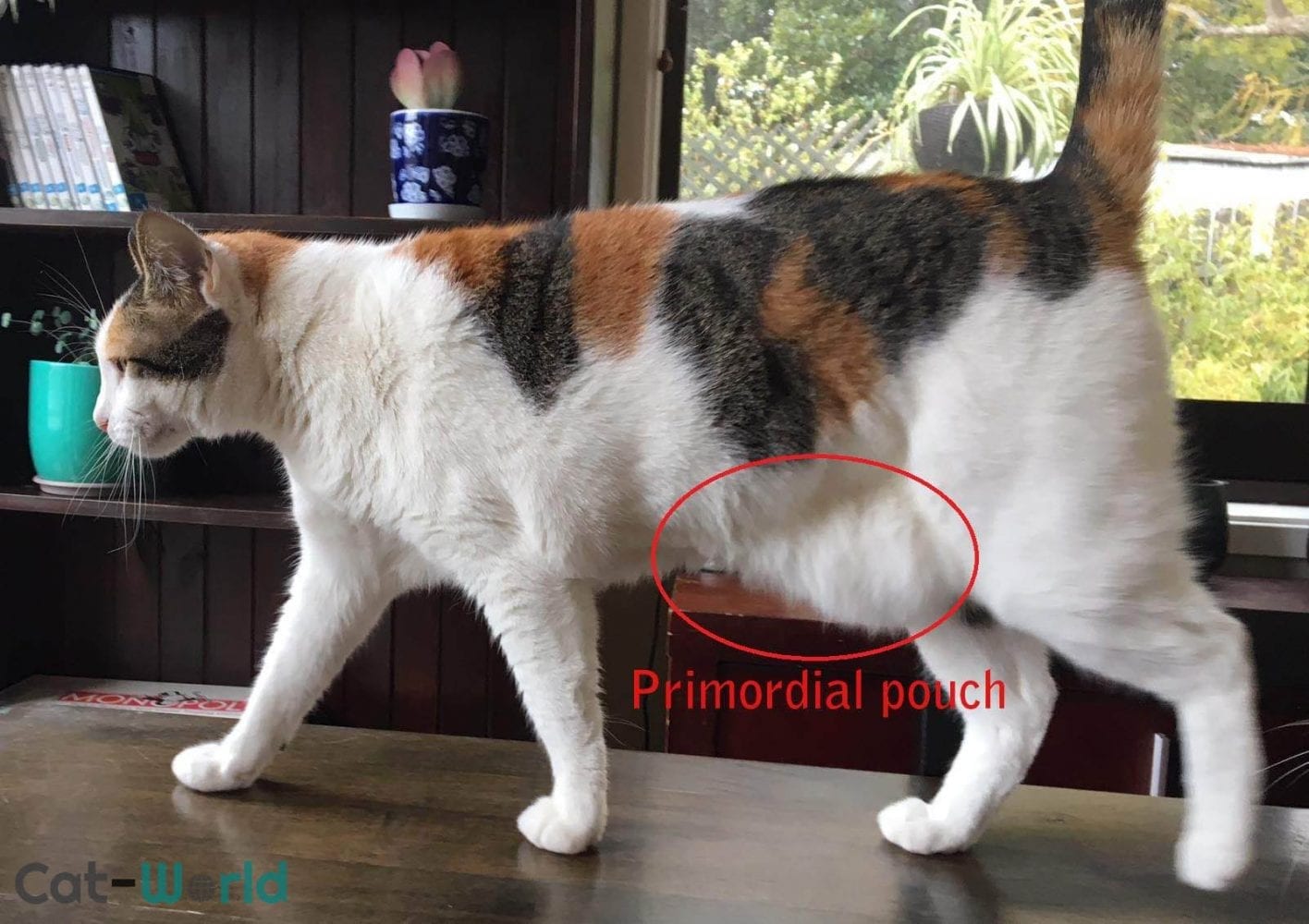
Does your cat have a belly that sways side to side? That’s not fat, says Dr. Nicole Savageau, a veterinarian at the mobile veterinary service The Vets. It’s their primordial pouch—loose skin near the rear legs that feels floppy.

Here’s what to know about a cat’s primordial pouch, including why cats have them.

What Is a Primordial Pouch?
When your cat is standing, take a look at them from the side. Do you notice a loose belly that hangs down a little? It may look like an overweight cat that recently lost a lot of weight but retained the extra skin. Rest assured, this extra skin has more to do with genetics than your cat’s body condition.

This is a cat’s primordial pouch, a loose flap of skin on a cat’s underside that hangs between their rear legs. Cats are the only animals that have a primordial pouch (including wild ones like lions & tigers!), but some cats have a more pronounced primordial pouch than others. 

Why Do Cats Have a Primordial Pouch?
Experts aren't 100% sure about the purpose of the primordial pouch, but they have some theories:

Protection: A primordial pouch might shield a cat’s vital organs during fights or rough activities.

Flexibility: It allows the abdomen to stretch during movement, making cats even more agile. 

Food storage: It could help accommodate larger meals when a cat eats a lot at once.

Heat regulation: It might aid in temperature control by allowing air circulation.

According to Savageau, the feline primordial pouch might not have a function at all these days. “It could be an evolutionary relic trait left over from wild ancestors,” she says.

When Do Cats Develop a Primordial Pouch?
You won't spot a kitten with a big, floppy primordial pouch. “It develops over time as the cat matures,” Savageau says. The pouch usually becomes more pronounced as cats reach adulthood, usually around 6 months to 1 year old. But it's not obvious in all cats & can vary in size. 

Why Is My Cat’s Primordial Pouch So Big?
No matter how big or small your cat’s swaying belly flap is, Savageau says that having a primordial pouch isn’t an indication of your cat’s overall health or whether they're overweight or underweight. “There can be variations in the size of the primordial pouch among cats, with genetics playing a role,” she says. 

According to The International Cat Association (TICA) breed standards, the Thai cat breed typically has a smaller primordial pouch than most other cats, with a mostly level underbelly & only a slight amount of loose skin. Meanwhile, the Pixiebob breed is likely to have a large primordial pouch. 

Just like in humans, a cat's skin tends to sag, stretch, & lose elasticity with age. So don't be alarmed if your kitty's belly seems to sway a little more as they become a senior cat.

Feline Primordial Pouch vs. Body Fat 
If you’re still unsure if it’s your cat’s primordial pouch you’re looking at or fat, Savageau has some tips for differentiating the 2:
 
                                 Primordial Pouch                                                       Fat

Location                On the underside between the rear legs            Distributed around the body


Feel                        Loose & floppy                                                Firm or squishy


Body shape           Balanced body, defined waistline,                    Round in appearance, lack of
                              floppy underside                                               defined waistline
 
Focus less on the size of your cat’s belly flap & more on their body condition score (BCS), a visual tool veterinarians use to determine if cats are at their ideal weight.

You can do this by looking down at your cat from above. A healthy cat will have a noticeable waistline while overweight cats will not. 

Then, gently run your fingers across their ribs. A cat at an ideal weight should feel similar to your knuckles being rubbed on an open palm. If your cat is overweight, there will be a layer of fat covering their ribs. An underweight cat’s ribs may feel prominent, similar to the back of your knuckles when making a fist. Your veterinarian can demonstrate this assessment at your next visit. 

Helping your cat lose weight won't make your cat’s primordial pouch smaller, but "maintaining a healthy weight through a balanced diet & regular exercise can help prevent excess fat accumulation," says Savageau.

If you’re unsure whether your cat is at a healthy weight or would like tips to help them reach their ideal weight, work with your vet.

Cute Critter Pics:


Weekly Chuckle:

Slava Ukraine!


Wednesday, July 9, 2025

July 9/2025

If You Ever See Birds-Of-Paradise, They May Be Playing This Trick On Your Eyes
By Adam Symchuk   
6/20/2025 

Birds-of-paradise, comprising 45 different species, are primarily recognized by the males' unique & vibrant plumage. Due to their limited geographical range, birds-of-paradise are a rare sight; they are found in tropical forests, with the most prominent populations located on the island of New Guinea. For many bird enthusiasts, encountering one is a once-in-a-lifetime experience; yet, science has now revealed that these colorful creatures emit signals undetectable to the human eye, making the way we look at them entirely different than before.

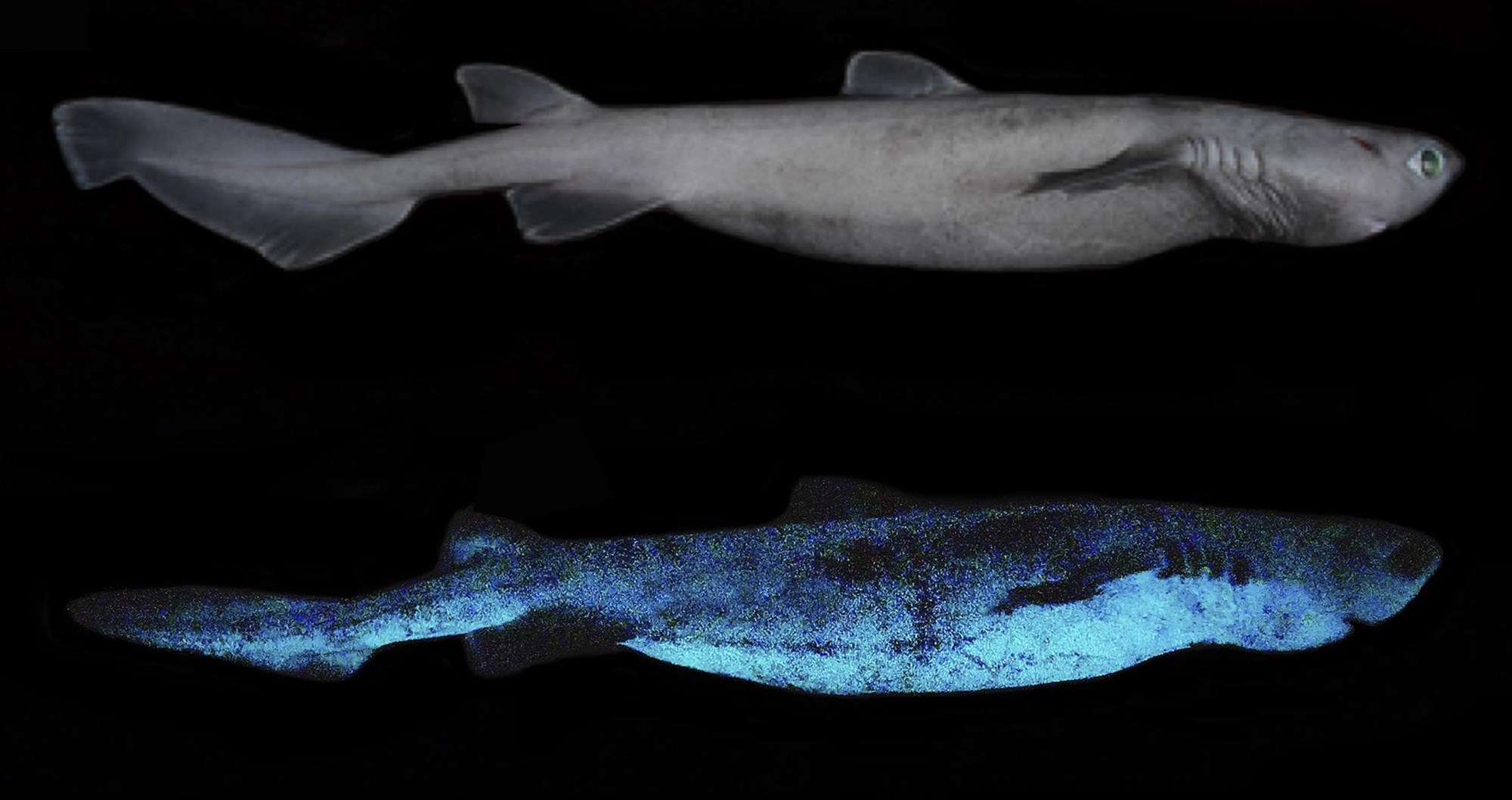
A study published in February 2025 in the journal Royal Society Open Science offers an insightful new perspective on birds-of-paradise, revealing that they glow under certain lights: UV, blue light, & ultraviolet. Under these conditions, the birds display even more vibrant plumage, with bright green & yellow being observed. Present in 37 of the 45 known birds-of-paradise, these bright colors are produced through biofluorescence, a process in which light is absorbed & then emitted as high-wavelength light, visible only under specific conditions. The study suggests that this light-producing process is utilized in both territorial disputes & in attracting potential mates.

For people, this means that centuries of observing the majestic birds-of-paradise have led them to overlook the full spectrum of colors these radiant birds display to one another. Scientists still have much to learn about how animals perceive the world, as evidenced by other discoveries, from understanding the wild way deer see their environment to gaining deeper insights into unexpected scents that dogs can detect but their owners cannot. Biofluorescence in birds-of-paradise is a remarkable finding, but they are not only the vibrant birds that have been discovered to hide secret colors.

Biofluorescence is being found more often in wildlife

Bioluminescence is a trait in animals that is familiar, with many Americans growing up romanticizing the firefly or glowworm, which stands out like a little beacon against the night sky. This chemical reaction, observed in insects, aquatic life, & certain mushrooms, is a distinctive & easily recognizable trait. Researchers can easily identify which flora & fauna utilize bioluminescence, yet the non-visible light of biofluorescence continues to lead to new, fascinating discoveries.

The platypus is already a wonder of nature with its duck bill, venomous leg spurs, & egg-laying traits. Yet in 2020, it was discovered that the unique mammal is also biofluorescent. As adept swimmers, capable of reading electric signals in the water, the study published in Mammalia proposes that they may use light to help confuse & evade predators. In 2019, a team of researchers in the U.S. found that 2 shark species, the swell shark & the chain catshark, distinguished by a uniquely bright & dark patterning, are biofluorescent on the lighter parts of their bodies. Researchers speculate that this process gives these sharks a unique advantage, allowing them to see each other easily & protecting them from certain microscopic organisms.

The fact that birds-of-paradise, platypuses, & sharks share a common trait highlights the magnificence of nature. Yet, the recent discovery also reminds us that we still have much more to discover & learn about how animals communicate. 

cuteness.com/1887732/if-bird-of-paradise-may-be-playing-trick-on-eyes/

Cute Critter Pics:


Weekly Chuckle:

Slava Ukraine!


Wednesday, July 2, 2025

July 2/2025

Meet The Most Indestructible Organism Ever Discovered

By Joe Roberts   

12/8/2024

Nature is full of impressively resilient creatures. Take scorpions, for example, which have been around for about 437 million years & have outlasted numerous other species that were wiped out by mass extinction events. Or yaks, who have adapted to mountain environments to the extent their hearts & lungs are large enough to allow them to survive among the thin air at 18,000 feet above sea level. Even camels are remarkable for their ability to tolerate temperatures of up to 120 degrees Fahrenheit (49 degrees Celsius), & survive losing water equivalent to 25% of their entire body weight.

But even these robust beasts pale in comparison to a microscopic animal that is one of the toughest creatures ever to exist. This tiny organism has been on Earth for around 600 million years, meaning it both existed before & outlived dinosaurs. It is so adaptable that it's basically indestructible, even when exposed to extreme heat, extreme cold, radiation, or even space itself. This deceptively strong creature is known as a tardigrade & is remarkable for its ability to essentially suspend all biological activity in order to survive extreme environments.

Tardigrades are tougher than their squishy appearance suggests

There are actually quite a few creatures that could survive an apocalypse, but none are quite so hardy as the tardigrade. First discovered in 1773 by German pastor J.A.E. Goeze, these miniscule animals measure less than 1 mm in length, have 8 legs with 4 to 6 claws on each, & are considered aquatic due to the fact they need a thin layer of water around their bodies. But while they are technically aquatic, these creatures, which earned the nicknames "water bear" & "moss piglet" for their seemingly squishy morphology, have been found everywhere from the ocean to sand dunes.

About 1,300 species of tardigrades are known to exist, & while the nearly indestructible animals may look cute & cuddly under a microscope, they are actually covered in a hard cuticle similar to many insects. Their unique mouth, known as a bucco pharyngeal apparatus, enables tardigrades to suck nutrients from other organisms, & the animals particularly like to live among mosses & lichens.

Tardigrades are some of the most resilient animals in existence

While the details of the tardigrade's appearance & morphology are interesting, there's no doubt that it's their extreme hardiness which makes the microscopic creature so fascinating. According to the Science Education Resource Center, the animals can survive temperatures as low as -328 degrees Fahrenheit (-200 degrees Celsius) & as high as 304 degrees Fahrenheit (151 degrees Celsius). They can persevere through the freezing & thawing processes, changes in salinity, a complete lack of oxygen or water, & can survive X-ray radiation 1,000 times the lethal human dose. 

Tardigrades can also weather many noxious chemicals, boiling alcohol, the low pressure of a vacuum, & can survive 6 times the pressure of the deepest part of the oceans. Add to that the fact that these creatures can take ultraviolet radiation & survive the vacuum of space & you've got one sturdy microscopic beast.

One method tardigrades use to survive is encystment, whereby they surround themselves with multiple cuticles to form a capsule, which in turn forms a barrier between the tardigrade & its surrounding environment. But that is just the beginning of the water bear's defenses.

Why are tardigrades so resilient?

Tardigrades' remarkable hardiness can mostly be attributed to 2 things. Firstly, the tiny creatures carry a unique protein called Dsup, which is a contraction of the phrase "damage suppressor." While it might sound like some sort of health boost upgrade in a video game, Dsup is a nuclear protein that binds to a section of DNA inside the nucleus called nucleosomes, thereby protecting that DNA from ionizing radiation & the oxidants it produces.

But having fortified DNA is only one part of the story. Arguably the more impressive survival feature of the tardigrade is its ability to enter a state called cryptobiosis, which essentially means the animal halts all biological function & becomes effectively dead for a prolonged period of time, before reactivating when its surroundings become more conducive. In reality, the tardigrade enters a state of hibernation, squeezing all water from its body, suspending its metabolism, retracting its head & legs, & rolling into a ball. Even more remarkable is the fact that tardigrades can stay in this dormant state for more than 30 years.

Tardigrades in space

A study published in Current Biology showed that tardigrades could survive the vacuum of space & that some specimens could even simultaneously withstand exposure to solar radiation. The researchers noted how the results meant that tardigrades were the first animal ever to have been shown to survive such conditions. Interestingly enough, since this study, thousands of tardigrades ended up stranded on the moon after an Israeli spacecraft containing the creatures crash landed there in April of 2019. 

As Science reported, Tardigrades even proved they could be shot out of a gun at high speed & survive. This particular study, inspired by the spaceship crash that would have seen the animals blasted into the surface of the moon, actually packed tardigrades into a nylon bullet & fired them out of a 2-stage light gas gun — which uses gunpowder & highly compressed hydrogen to fire projectiles at speeds far beyond that of a regular gun. The study revealed that the creatures could survive impacts up to about 900 meters per second into a target made of sand, & momentary shock pressures of up to 1.14 gigapascals (GPa). While that may sound as if it proves the tardigrade's reputation as nearly indestructible, the researchers did note that, beyond these speeds, the creatures became "mush" — suggesting that those aboard the Israeli spacecraft likely died on impact.

Tardigrades will outlast humans

If you needed any more convincing that tardigrades are about as tough as animals come, then how about the University of Oxford & Harvard declaring that the creatures will not only outlive humans, but could even survive the death of our sun?

A study, published in Scientific Reports concluded that tardigrades would likely survive any astrophysical calamities that hit our planet, including the death of the Sun — which would actually be much slower than an explosion. In other words, tardigrades, which have already been in existence for roughly 600 million years, are expected to stick around for at least another 6 billion — & likely 10 billion — years.

In 2006, the Astronomer Royal, Martin Rees, published one of his talks under the title "Dark Material," in which he says, "Any creatures witnessing the Sun's demise 6 billion years hence won't be human — they'll be as different from us as we are from bacteria." It's a stultifying thought to envision what kind of beings could watch the Sun die, but perhaps even more stultifying is the thought that, by that point, while we will be long gone, the tardigrade will remain just as it is today.

sciencing.com/1726022/meet-most-indestructible-organism-discovered/

Cute Critter Pics: 


Weekly Chuckle:
Slava Ukraine!