
By Ellen Malmanger, DVM
Published 9/1/2020
Many people consider cats to be self-sufficient, independent pets. But you might be surprised to know that cat health care requires just as much effort as dog health care.
Because many cats are indoor-only, & they’re difficult to get into a cat carrier, some pet parents may try to avoid veterinary visits with their feline friend as much as possible.
This can lead to an increased risk of illness & disease, as medical issues may not be detected as early as they could have been.
It’s important to make sure that your cat has the proper veterinary care, vaccines, diet, parasite prevention, & mental & physical stimulation that they need from the time you adopt them.
Here’s a complete cat health guide for keeping your cat healthy throughout each life stage.
What Cat Health Issues Are Most Common?
Although they can suffer from a wide variety of health issues, some cat health issues are more common than others. Here are a few cat health problems that are regularly diagnosed:
Intestinal parasites
Infectious diseases
Inflammatory bowel disease
Orthopedic issues
Cancer
Diabetes
Hyperthyroidism
Kidney disease
While many of these can affect a cat at any age, some cat health issues (such as intestinal parasites in kittens & kidney disease in older cats) are mostly seen in certain life stages.
Indoor cats do tend to have longer-than-average life spans compared to outdoor cats, but they are not immune to infectious diseases, parasites, & injury. They can still get fleas, accidentally get outside & come into contact with other cats, or even be exposed to rabies by a surprise bat in the house or a feral animal.
How to Keep Your Cat Healthy at Every Life Stage
Don’t let the amount of cat health information out there overwhelm you! While adopting a cat & committing to keep them healthy is a big responsibility, veterinary professionals are ready to educate and help.
From taking your kitten for a vet visit to helping manage your older cat’s arthritis, it is important to keep in contact with your veterinarian & have your cat examined annually to make sure they are in good health.
Kitten: 0-12 months
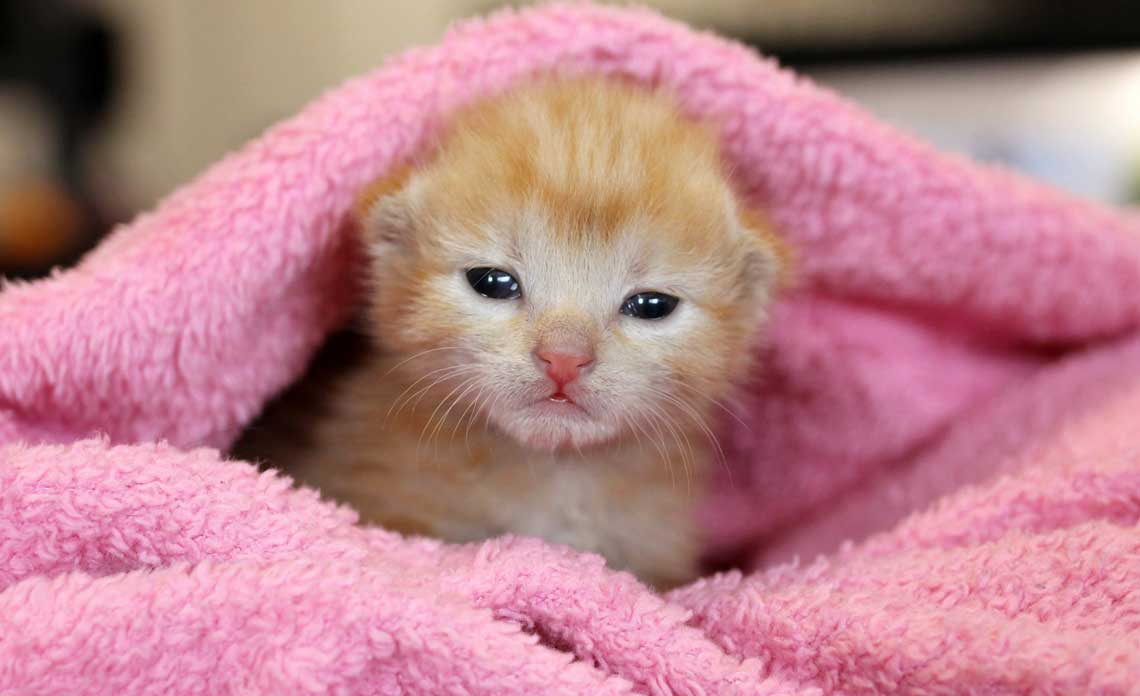
Here’s how to set your kitten up for success when it comes to vet care, dietary needs, flea & tick meds, & keeping them mentally & physically healthy.
Nutritional Needs
Your kitten has specific nutritional needs, such as more calories & protein to fuel those growth spurts. These needs can be met with kitten-specific diets.
The number of diet options out there can be overwhelming, so talk to your veterinarian about their recommendations.
Most cats transition to an adult diet around 10-12 months of age, but you should talk with your veterinarian about your cat’s specific needs. The most important thing to remember when transitioning your kitten to the adult stage is that they need fewer calories & less protein than they did when they were growing kittens.
Food should always be transitioned gradually over 7-10 days, as sudden changes in diet can lead to upset stomach & diarrhea.
Supplements
Something that every cat struggles with at least once is the dreaded hairball. Brushing your kitten on a regular basis can help reduce the amount of hair they ingest. You can also use a hairball product such as CAT LAX to make it easier for your kitten to pass the hairball.
If you notice that your cat is vomiting hairballs more than once or twice a month, they should be seen by their veterinarian to rule out any underlying illness.

Medical Needs
Kittens are tiny creatures that require a lot of care, especially in their first few months of life. Here’s what you need to know about their medical needs.
Veterinary Care
It is ideal to have your kitten seen by their new veterinarian within a few days of adoption, but at the very least, they should be seen within 10-14 days.
Their first veterinary visit may be long, as there is a lot of information to go over. Your veterinarian will do a thorough physical exam that includes:
Checking your kitten’s eyes & nose for any abnormalities or discharge
Checking the mouth for any sign of cleft palate or unerupted kitten teeth
Evaluating your kitten’s demeanor & gait for any neurological abnormalities
Listening to your kitten’s heart & lungs to make sure there is no evidence of a heart murmur or arrhythmia
Looking for an umbilical or inguinal hernia
Taking a stool sample to check for intestinal parasites (may recommend deworming)
Kittens should also be tested against feline immunodeficiency virus (FIV) & feline leukemia virus (FeLV). These are both viruses that can be transmitted from a mother cat to her kittens, as well as from one cat to another via contact.
Your veterinarian can perform a blood test to make sure your kitten is not affected by either of these viruses.
Depending on how old your kitten was when they had their first vaccination, they will likely need to go see the vet every 3 to 4 weeks until 16 weeks of age or older. At this point, most kittens will be done with their vaccine series.
Vaccines
Vaccination is a very important aspect of kitten health care. There are many serious but preventable diseases that your veterinarian will recommend vaccinating against.
While many shelters will give the first round of vaccines, you will need to take your kitten to the vet to continue the series of vaccines.
Feline Distemper / FVRCP Vaccine
It is recommended that all kittens receive the “feline distemper vaccine,” also known as FVRCP. This is a combination vaccine that stimulates the immune system against rhinotracheitis, calicivirus, & panleukopenia. Cats should be vaccinated against FVRCP for life.
Feline Leukemia Virus (FeLV) Vaccine
It is also recommended that all kittens receive the feline leukemia virus (FeLV) vaccine. Both of these vaccines (FVRCP & FeLV) will need to be boostered according to your veterinarian’s recommendations. Indoor-only cats may not need to be vaccinated against FeLV as adults, depending on their lifestyle.
Rabies
The rabies vaccine is legally required in many areas, & kittens are vaccinated once for rabies at 12-16 weeks of age. Even if your cat is indoor-only, you can never completely guarantee that your pet will never come into contact with another animal that could be spreading rabies.
Rabies is a fatal disease that can be spread to humans, too. For this reason, it is recommended that even indoor-only cats always stay up-to-date on their rabies vaccinations.
Dental Care
There is no exact answer for when your cat should have their first dental cleaning. Your cat’s veterinarian will check their teeth at their annual wellness appointments. They will recommend a dental if they note gingivitis (inflammation of the gums), tartar buildup, or any signs of infected, broken, or resorbing teeth.
Your kitten should not need a dental unless they have retained kitten teeth that need to be extracted, or some other anatomical abnormality affecting their teeth. The best way to keep your cat’s teeth healthy & prolong the time between dental procedures is to brush their teeth daily with a cat-safe toothpaste such as Vetoquinol Enzadent.
Spay/Neuter
Kittens coming from a shelter or rescue are often spayed or neutered around 8 weeks of age. If your kitten is not already spayed or neutered when it joins your family, it is recommended that the surgery be done around 4-6 months of age.
Female kittens can get pregnant as young as 4 months of age, so it is very important to spay them before this point, especially if they have access to male cats, to help prevent overpopulation.
Other risks of delaying spaying & neutering include mammary tumors, uterine infection & ovarian cysts in female cats, & territorial marking & testicular tumors in male cats. Read the adult cat section for more information.
Flea & Tick Prevention
Your veterinarian will discuss flea & tick prevention at your kitten’s first veterinary visit. Most flea & tick preventatives are labeled for use at 8 weeks of age, but some can be used on younger kittens.
Start preventative medications as soon as possible, as even indoor-only cats can get fleas, & kittens & senior cats are especially prone to severe flea-bite anemia (life-threatening loss of blood due to having so many fleas feeding on them).
All cats, regardless of whether they go outside or not, should be kept on flea prevention year-round. Make sure that the dose of flea prevention that your kitten is on is still correct as they grow & gain weight.
Mental & Physical Stimulation
Kittens are a lot of fun, but they can also cause a lot of trouble if they aren’t given the correct outlet for their energy & curiosity. Cat-friendly toys that mimic prey species like birds or mice, & toys with catnip are encouraged.
Do not give your kitten string toys like yarn or ribbons, as these are easily swallowed & can lead to an intestinal obstruction. Many kittens love laser pointers, & there are lots of dry food puzzles & foraging games that can provide both physical & mental stimulation.
Kittens are often even happy with cardboard boxes or crumpled paper, so you don’t have to spend a fortune to have fun with your new friend.
Scratching is a normal cat behavior that should be expected. Encourage your kitten to scratch on cardboard scratchers or carpet scratching posts from a young age so they don’t develop the habit of scratching furniture.
Kittens & cats can be particular about the type of surface they scratch on, so try out different types like wood, sisal, carpet, & cardboard. Some cats will scratch at any incline, while others might want a flat or angled scratching surface. You may have to experiment to find what works best for your kitten.
Adult Cat: 12 months – 8 years
Nothing could be further from the truth. Cats age much more quickly than humans do, so they require frequent exams & preventative care to keep them healthy. Here are some tips for keeping adult cats in good health.
Nutritional Needs
The Cornell Feline Health Center estimates that 50% or more of the adult cats in the United States are overweight, if not obese, & need to lose weight.
They’re consuming too many calories because people feed their cats too much food or too many treats. Most indoor cats don’t have to work very hard for a living, so they don’t need tons of calories.
Your adult cat needs fewer calories & protein than he did as a kitten, so he should be transitioned to an adult cat food at 10-12 months of age.
Cats are obligate carnivores, but they can tolerate some grains & plant material (think of the plants & grains that their prey, such as birds & mice, would have in their stomachs when ingested by cats).
In the past, diets deficient in taurine have led to severe, life-threatening heart issues, but quality commercial diets have been formulated specifically to ensure that these basic nutrition needs are met.
AAFCO Statement on Cat Food Labels
Look for a food that has been approved by the Association of American Feed Control Officials (AAFCO) to ensure that the diet has the proper balance of nutrition necessary for your cat’s health. If you have further questions regarding your cat’s diet, consult with your primary care veterinarian or a board-certified veterinary nutritionist.
Supplements
Different cats have different needs, & while your cat’s diet should be nutritionally complete, some cats may need some extra help with things like hairballs or anxiety.
Brushing your cat regularly & keeping her at a healthy weight so she can groom herself is your best bet for keeping hairballs under control. Sometimes even the tidiest of cats needs a little help with hairballs, & in these cases, lubricating products such as CAT LAX can be very helpful.
If you have a cat that’s prone to anxiety, products like calming pheromones (Feliway) & calming chews (VetriScience Composure) can help for sudden anxiety triggers like fireworks, house guests, or road trips. If your cat’s anxiety is severe enough to lead to behavioral or medical issues, you should consult with your veterinarian for help.
Medical Needs
It is important to ensure that your cat is getting yearly veterinary examinations throughout his life. You’ll also need to keep up with your cat’s flea & tick meds & dental health. Here’s a guideline for your adult cat’s medical needs.

Veterinary Care
The American Association of Feline Practitioners (AAFP) & American Animal Hospital Association recommend that all adult cats have a wellness exam at least once a year. Some cats with health or behavioral problems may require more frequent exams.
Stool samples should be checked for intestinal parasites every 6 to 12 months, depending on risk factors. The AAFP recommends annual blood work for senior cats, but routine blood work is also beneficial in adult cats.
This can help catch manageable diseases earlier. It also helps establish a healthy baseline, so if your cat comes in ill, their blood work can be compared to the values when they were healthy.
Your veterinarian will look for some of the more common health issues in adult cats, such as dental disease, obesity, digestive problems, & issues with skin or coat health (among others). It is also important that your cat be monitored regularly for a heart murmur, eye & ear health, digestive health, & internal & external parasites.
Talk to your veterinarian about their recommendations for your cat, as some cats benefit from having lab work done more often than others. Cats with health issues & those on certain medications may require blood work more frequently.
If the thought of getting your cat into a carrier has kept you from taking them to the vet, there is hope! Ask your veterinarian about a medication to give your cat before your visit to help keep your cat calm. There are also calming pheromone products & chews that you can use at home & in the car on the way to the vet.
Vaccines
All cats, regardless of whether or not they go outdoors, need to be vaccinated against rhinotracheitis, calicivirus, & panleukopenia, also known as the FVRCP vaccine, or the feline distemper vaccine.
All cats should also be vaccinated against rabies. Even if you can guarantee that your cat stays inside, you can’t always guarantee that animals such as bats stay outside. Adult cats should be vaccinated against feline leukemia virus (FeLV) based on risk. Cats that go outside & interact with other unknown cats are at the highest risk.
Dental Health
At each annual wellness exam, your cat’s veterinarian will examine their mouth & look for signs of tartar, gingivitis, or tooth resorption, which is a painful condition in which a tooth is broken down & resorbed by the body.
Your cat’s genetics play a role in their susceptibility to dental disease, but the majority of cats are likely to need a prophylactic dental procedure by the time they are 3-5 years old. The Cornell Feline Health Center estimates that only about 10% of cats make it through their whole life without any dental issues.
Because cats can’t tell us if their teeth hurt, & because they have to eat to live, many pet parents don’t realize how much dental disease may be affecting their companion’s quality of life.
Many cats need annual dentals after a certain age, while some may need dentals every 6 months, & others every 2 to 3 years. There is no one-size-fits-all plan. Your cat’s veterinarian can advise you on the best course of action for your cat.
While dental diets & treats shouldn’t replace regular veterinary dental care, they can help to decrease the amount of tartar & gingivitis in your cat’s mouth. Brush your cat’s teeth daily with a cat-safe toothpaste, & you can give the occasional dental treat, as long as you don’t add too many calories to your cat’s daily intake with them!

Spay/Neuter
Cats can reproduce at a truly alarming rate, so it is recommended that they be spayed or neutered by 4-6 months of age. If they have not been spayed or neutered by the time they enter adulthood, you could end up with quite a few problems on your hands.
The most obvious issue you might face if your female cat isn’t spayed is an unwanted cat pregnancy. While kittens are adorable, more cats means more mouths to feed, more veterinary bills, & the risk of an expensive C-section or medical treatment if something goes wrong.
Another consideration for female cats is the risk of ovarian cysts, uterine infection (pyometra), & mammary tumors. Spaying is the best way to minimize the risk of these conditions. In addition, sharing your house with an intact (not spayed) cat in heat is not fun for anyone!
Male cats that have not been neutered also contribute greatly to the overpopulation problem. An intact male cat is much more likely to spray & urine mark in the house, & their urine has a much stronger, more pungent odor than that of a neutered cat. Neutering is also the best way to eliminate the risk of testicular cancer in your male cat.
Continuing Flea & Tick Medication
Flea prevention should be continued year-round for adult cats. While your indoor-only cat may tremble at the sight of the great outdoors, fleas show no such hesitation at hitching a ride on your clothes or your dog, jumping through your window screens, or coming in through the front door.
Heartworm prevention is also important, as heartworm is transmitted by mosquitos, & mosquitos can easily end up inside your house & stay around long enough to bite your cat.
Apartment cats are especially prone to fleas, as you don’t know whether your neighbors’ dogs are on flea prevention, & fleas can easily jump off of a dog & under your door. Cats that do go outside or that live in heavily tick-infested areas also benefit from tick prevention.
Mental & Physical Stimulation
Playing with your cat regularly is a lot of fun, important for bonding, & good for their health!
Physical & mental stimulation are very important for your cat’s well-being & can also help prevent them from getting into trouble around the house. Providing appropriate scratching posts is an important way to fulfill their natural need to scratch.
Some cats like to be perched up high, & others like to be ground-dwellers with “caves,” nooks, & crannies to hide & nap in. Try offering your cat a combination of perches, cat towers, & cat caves to determine what their preference might be.
A great way to feed your cat while also providing exercise & mental stimulation is through foraging games. Hide some food in foraging toys, like Doc & Phoebe’s Cat Co. Indoor Hunting Feeder, or just loose around the house, & let your cat tap into her hunting instinct by sniffing out the food.
There are also a lot of interactive & fun cat toys on the market, but some cats are just as happy with the cardboard box that the toy came in! Adult cats will enjoy the same types of toys they did as kittens. Playing with strings such as yarn & ribbons is not recommended, as many cats may attempt to swallow them, which could lead to a life-threatening intestinal obstruction.
Senior Cat: 8 – 15 years
The majority of cats have undiagnosed arthritis by the time they are seniors. Arthritis makes it more difficult to jump, step into a litter box, groom, & play, so keep an eye out for changes in these behaviors. Consider switching to a litter box that has a low side for easy entry (KittyGoHere senior cat litter box) & brushing your cat daily to help with any decline in grooming.
Many senior cats will also start to have a decline in vision & hearing. While it’s true that cats can see well in the dark, natural aging changes may make it harder for your kitty to see at night, so leave a light on or set up some nightlights in the rooms they spend the most time in.
Nutritional Needs
Obesity is still a serious concern with many senior cats, & it should be addressed quickly because it can worsen or contribute to health issues such as osteoarthritis & diabetes.
Other cats become very thin & lose muscle mass as they age, especially cats with medical conditions such as untreated diabetes, hyperthyroidism, chronic kidney disease, or neoplasia (cancer).
It is recommended that senior cats be on a canned-food or majority canned-food diet, as it has a higher moisture content & is more hydrating than dry kibble. It is also lower in calories when compared to the same volume of dry food due to the higher moisture content.
While this is beneficial for overweight cats, you may have to make up for this by feeding more if your cat is underweight. Talk to your veterinarian if you notice any change in your cat’s weight as she ages.
Supplements
A senior cat’s diet should be nutritionally balanced for seniors, so they shouldn’t need much in the way of vitamin or mineral supplementation. But they may need extra help with hairballs, dental health, digestive health, & joint health, along with omega-3 fatty acid supplements for a healthy skin & coat.
Medical Needs
As your cat ages, she will need more regular veterinary care to watch for diseases & conditions that develop rapidly in senior cats.

Veterinary Care
Senior cats should ideally be seen for a wellness exam every 6 months. Your vet will ask for a thorough history about your cat’s home life, diet, behavior, etc., & will give your cat a thorough physical exam & any recommended diagnostics.
As they age, cats are more likely to develop conditions quickly, & regular veterinary visits can help to identify these early. Senior cats should have blood work (including a thyroid level & testing for retroviruses such as feline leukemia virus & feline immunodeficiency virus), a urinalysis, & a fecal check every 6 to 12 months. Cats with health conditions may require these diagnostics to be done more often.
Some common ailments in senior cats include:
Chronic kidney disease
Hyperthyroidism
Hypertension
Inflammatory bowel disease
Dental disease
Cancer
Obesity
Arthritis
Consistent health screenings can help catch these diseases early on to maintain your cat’s quality of life. Be sure to talk to your veterinarian about pain medications for arthritis. While there aren’t as many options on the market for cats as there are for dogs, an effective pain medication could make a huge difference in your cat’s quality of life.
Vaccines
Healthy senior cats and cats with chronic but stable medical conditions can be vaccinated at the same frequency as younger adult cats. While some people may think that their senior cat should get fewer vaccinations, this is not the case, as senior cats tend to be more prone to infectious diseases.
Talk to your veterinarian about your cat’s vaccine recommendations, but expect that all cats will be vaccinated for FVRCP (the feline distemper vaccine) & rabies. Cats that go outdoors or are otherwise considered higher risk may also need to be vaccinated against feline leukemia virus (FeLV).
Dental Health
Most healthy senior cats benefit from having annual dental cleanings. Some cats with more severe dental disease may need them every 6 months. All cats should have basic blood work done before undergoing any anesthetic event, regardless of age, but senior cats may require additional diagnostics such as a thyroid & urine check as well to ensure that they are good candidates for anesthesia.
Continuing Flea & Tick Medication
Cats should be maintained on effective, year-round flea prevention regardless of age. Older cats are especially susceptible to flea-bite anemia, a preventable but serious condition where fleas consume so much blood that your cat may need a blood transfusion. Talk to your veterinarian about the best product choice for your cat’s needs.
Mental & Physical Stimulation
Many senior cats become less active as they age, but this doesn’t mean that they don’t need physical & mental stimulation as well. Continue playing with your cat, offering appropriate scratching posts, & giving them easily accessible perches where they can watch birds outside without having to jump onto a tall cat tower.
This will keep their mind busy & help burn calories. Movement also helps keep joints lubricated & helps strengthen muscle, which is very important as cats start having more mobility issues.
Offering pet stairs or a pet ramp as a way for them to get onto their favorite furniture or perches is also very helpful for cats suffering from arthritis.
Geriatric Cat: 15 – 20 years

Now is a good time to start a journal for your cat, where you can jot down brief notes about their appetite, behavior, & other things such as vomiting, limping, or having accidents in the house. This, along with the “Quality of Life Scale” can help with the very difficult task of evaluating your cat’s quality of life.
Health Issues Specific to Geriatric Cats
Health issues seen in geriatric cats are the same as those seen in senior cats, just with more frequency.
Dental Disease
Practically all geriatric cats have dental disease, unless they have had routine preventative dental care throughout their lives. Dental procedures are often recommended regardless of age, as long as your cat is otherwise stable.
Weight Loss Due to Disease
Rather than obesity, most geriatric cats suffer from being underweight due to various health issues such as hyperthyroidism, chronic kidney disease, diabetes, inflammatory bowel disease, or neoplasia.
Arthritis
You may notice your geriatric cat having a harder time getting around due to arthritis, & it’s not unusual for a geriatric cat to sleep up to 20 hours a day.
Because of worsening arthritis, many geriatric cats will have trouble getting into & out of the litter box, or they may associate the litter box with the pain of squatting to urinate or defecate, therefore having accidents outside of the box.
Be patient with your cat & try different options, such as a litter box with a low entrance, or potty-training mats that you can easily pick up & throw away.
Talk to your veterinarian about pain medications for arthritis. While there aren’t as many options on the market for cats as there are for dogs, an effective pain medication could make a huge difference in your cat’s quality of life.
Loss of Hearing & Vision
As your cat ages, their hearing & vision may continue to decline, & they especially have difficulty seeing in low lighting. Leave a light on for them or place nightlights around the house to help them see at night.
Confusion
Cognitive dysfunction associated with aging can also contribute to your cat having accidents. Similar to humans with dementia, your geriatric cat may become more easily confused about finding the litter box.
Providing more litter boxes in multiple locations around the house may help decrease the number of accidents.
Having Trouble Grooming
Your geriatric cat will also need a lot more help with grooming. Daily brushing will help to avoid painful mats, & it’s a great bonding experience for you & your cat. Your cat may also need help cleaning up after using the restroom if they have trouble grooming due to arthritis.
Wipes are great for a quick cleanup, but your cat may need an occasional bath if they can’t do it themselves. It is best to use unscented, hypoallergenic products in case your cat has any sensitivities.
Your geriatric cat will also likely need more frequent nail trims, as they aren’t as able to scratch to keep their claws healthy, & they tend to become thick & brittle. Check your cat’s paws to make sure that their claws haven’t grown into their paw pads, & contact your veterinarian if you notice that this has happened.
Nutritional Needs
Geriatric cats often become underweight due to underlying medical conditions. The best way to prevent or reverse this is to identify & treat the underlying medical condition that’s causing the loss of muscle & fat.
Your geriatric cat may also benefit from smaller, more frequent feedings rather than one or 2 large meals a day. It is very important to ensure that your cat can easily access their food. While they may have jumped onto a cat tower to reach their food bowl at the age of 7, that could be very difficult or impossible for a 15-year-old cat.
Talk to your veterinarian about your cat’s nutritional needs, as many geriatric cats with conditions like kidney disease, diabetes, or inflammatory bowel disease need very specific prescription diets.
For cats that do not need prescription diets, look for a diet labeled for senior or geriatric cats. Canned foods are preferred due to their high moisture content, but make sure that your cat is getting enough calories by talking to your veterinarian about their recommended daily caloric intake requirement.
Supplements
Check with your veterinarian before giving any supplements, especially if your cat is on medications or a prescription diet.
Due to chronic dehydration, many geriatric cats have issues with constipation. Using a product like CAT LAX could help prevent hairballs & help them pass bowel movements more easily.
Joint supplementation can be very important in helping to slow the degenerative nature of osteoarthritis. Talk to your veterinarian about using a joint supplement in conjunction with a pain medication to help keep your geriatric cat’s joints as comfortable as possible.
Veterinary Care
Most geriatric cats should visit their veterinarian every 6 months at minimum, but those with chronic but stable health conditions may need veterinary care more frequently.
If your cat has diabetes, heart disease, hyperthyroidism, or kidney disease that is being medically managed, expect things like blood pressure checks, blood work, & possibly physical exams every one to 3 months.
Vaccines
Healthy geriatric cats & cats with chronic but stable medical conditions should be vaccinated at the same frequency as younger adult cats. While some people may think that their geriatric cat should not be vaccinated, this is not the case, as older cats’ immune systems are not as able to fight off disease on their own.
Talk to your veterinarian about your specific cat’s vaccine recommendations, but expect that all cats be vaccinated for FVRCP (the feline distemper vaccine) & rabies. Cats that go outdoors or are otherwise considered higher risk may also need to be vaccinated against feline leukemia virus (FeLV).
Dental Health
Dental disease is extremely common in geriatric cats & may contribute to a lack of appetite if they are having oral pain. Keeping up with your cat’s dental health from a young age can be very beneficial in avoiding or prolonging the time between dental cleanings once your cat is geriatric.
Dental cleanings are extremely important to your cat’s health & quality of life, & being geriatric does not mean that your cat should not get the dental care she needs.
The pros & cons of performing a dental procedure on a geriatric cat that may have underlying health conditions should be weighed heavily. Talk to your veterinarian to determine the right course of action for your cat.
Dental treats can be helpful if cats have had routine dental care, but they should be avoided if your cat has severe dental disease with loose teeth, as they would be painful to chew in this case.
Remember that with good care, cats can live into their late teens & even into their twenties, & good dental care contributes to this longevity.

Continuing Flea & Tick Medication
Flea & tick prevention is very important year-round, throughout a cat’s life. Geriatric cats are especially prone to flea bite anemia, a condition in which fleas consume so much of the cat’s blood supply that they may need a blood transfusion.
They also can’t scratch & groom as easily, so geriatric cats can become quite miserable with even a mild flea infestation. Talk to your veterinarian about the product that is best for your cat’s individual needs.
Mental & Physical Stimulation
Your geriatric cat will likely sleep for up to 20 hours of the day, but that doesn’t mean that she won’t need some mental & physical stimulation when she is awake!
While play might be a bit more difficult if your geriatric cat has a hard time with jumping or stairs, there are ways to play on the ground with laser pointers or interactive toys.
Provide an accessible area where your cat can watch what is going on outside for mental stimulation. Consider adding a bird feeder or 2 outside your cat’s favorite window, & enjoy watching those natural hunter instincts come out!
End of Life Considerations & Quality of Life
The hardest thing about loving & caring for a geriatric cat is knowing when it’s time to say goodbye. This is a very personal decision, & something that you should talk about with your veterinarian based on your cat’s health & happiness.
Keeping a brief daily journal about how your cat is doing that day can be helpful in seeing general trends. Document whether your cat ate well, whether she vomited, if she was sitting in your lap or staying isolated & hiding, etc. There are also several quality of life scales that you can consult to help with making this difficult decision.
Remember that euthanasia is peaceful, humane, & pain-free. While this doesn’t make it any easier to say goodbye, it is important to keep in mind that you are truly being a loving, compassionate pet parent by putting your cat’s quality of life & needs above your own.
Cat Health Guide: Kitten to Senior Cat | PetMD
Cute Critter Pics:


.jpeg)


No comments:
Post a Comment