Wednesday, May 28, 2025

May 28/2025


7 Stories of the World’s Rarest Animals

by April White

5/17/2024

In honor of Endangered Species Day, held each year on the third Friday of May, we found some of the world’s most elusive creatures in the Atlas Obscura archive. Meet Puerto Rico’s wide-eyed frogs, Finland’s freshwater seals, & Indonesia’s singing dogs—& the scientists & citizens working to protect them.

Puerto Rico’s Most Adorable Frogs Live in Caves & Fight Like ‘Gummy Bears’

by Hannah Tomasy

Biologist Samantha Shablin is on a mission to learn more about the “cryptic” coquí guajón before it’s too late. This tiny & little-understood frog species, with a whistling call & huge eyes, which lives deep in the caves of Puerto Rico, is endangered. Habitat loss, climate change, pollution, & disease all threaten these adorable amphibians.

The Endangered Cow Being Saved by Cheese

by Sarah Brown
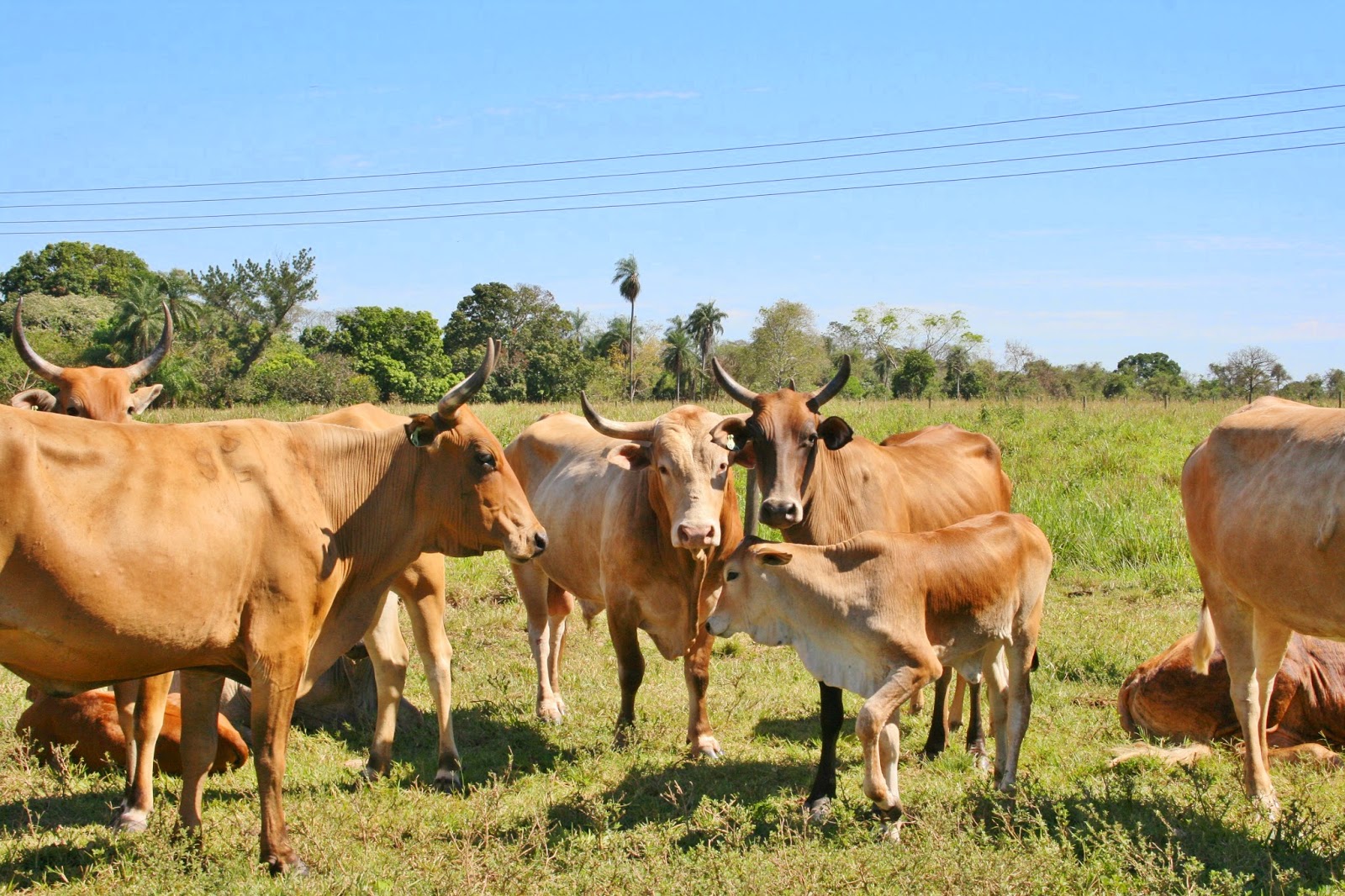
Pantaneiro cows (sometimes known as tucura or jofreano) evolved to survive in the harsh tropical wetland of Pantanal, which stretches over Brazil, Bolivia, & Paraguay. But they have not survived the region’s demand for beef; they’ve been replaced by breeds that grow more quickly. Today only 500 Pantaneiro specimens remain. A number of researchers & ranchers have a plan to save the imperiled bovine: cheese.

Irrawaddy Dolphins Get Help from an Ancient Cambodian Folktale

by Stefan Lovgren
Cambodia’s Mekong River is home to the famous but rare Irrawaddy dolphins—today, only about 100 individuals remain in the 2,700-mile-long waterway. Could a beloved Cambodian folktale about a girl transformed into a dolphin help save the endangered mammals?

The Last Days of the Bahama Nuthatch

by Shoshi Parks
What’s it like to “very probably” witness extinction? In 2 months of searching in 2018, researchers Matthew Gardner & David Pereira spotted only a handful of Bahama nuthatches on the eponymous islands, and they fear Hurricane Dorian, a Category 5 storm which battered the Bahamas in 2019, may have spelled the end for the species.

Found: The Rare Singing Dogs of New Guinea, In the Wild

by Isaac Schultz
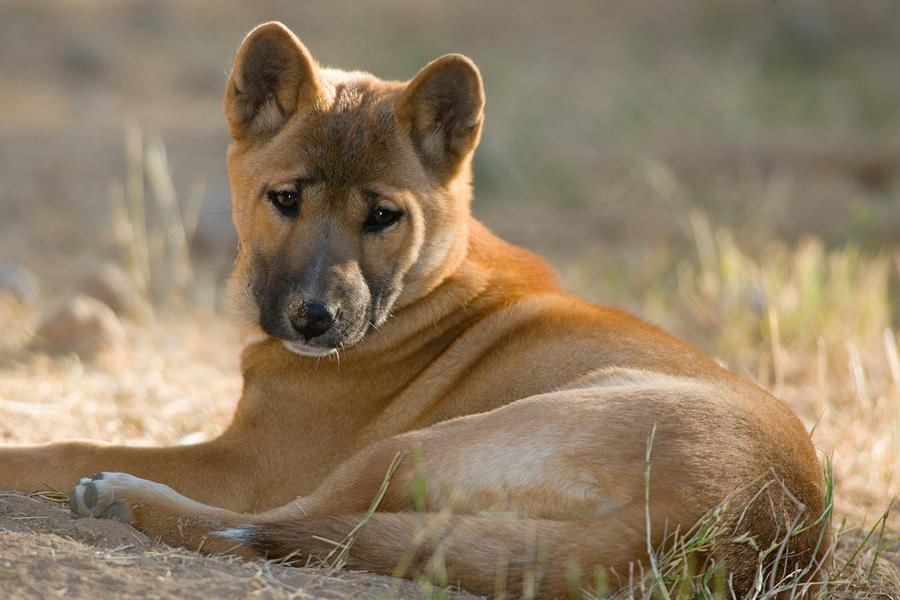
Until 2018, scientists weren’t sure whether the rare New Guinea singing dogs still existed in the wild. That’s when a group of field biologists came across these distant cousins of the dingo at 14,000 feet, sniffing around a high-altitude gold mine on the island of New Guinea in the Papua province of Indonesia—far from the lowland where previous expeditions had looked for them.

The Uncertain Future of Finland’s Rare Freshwater Seals

by Michael Hunt
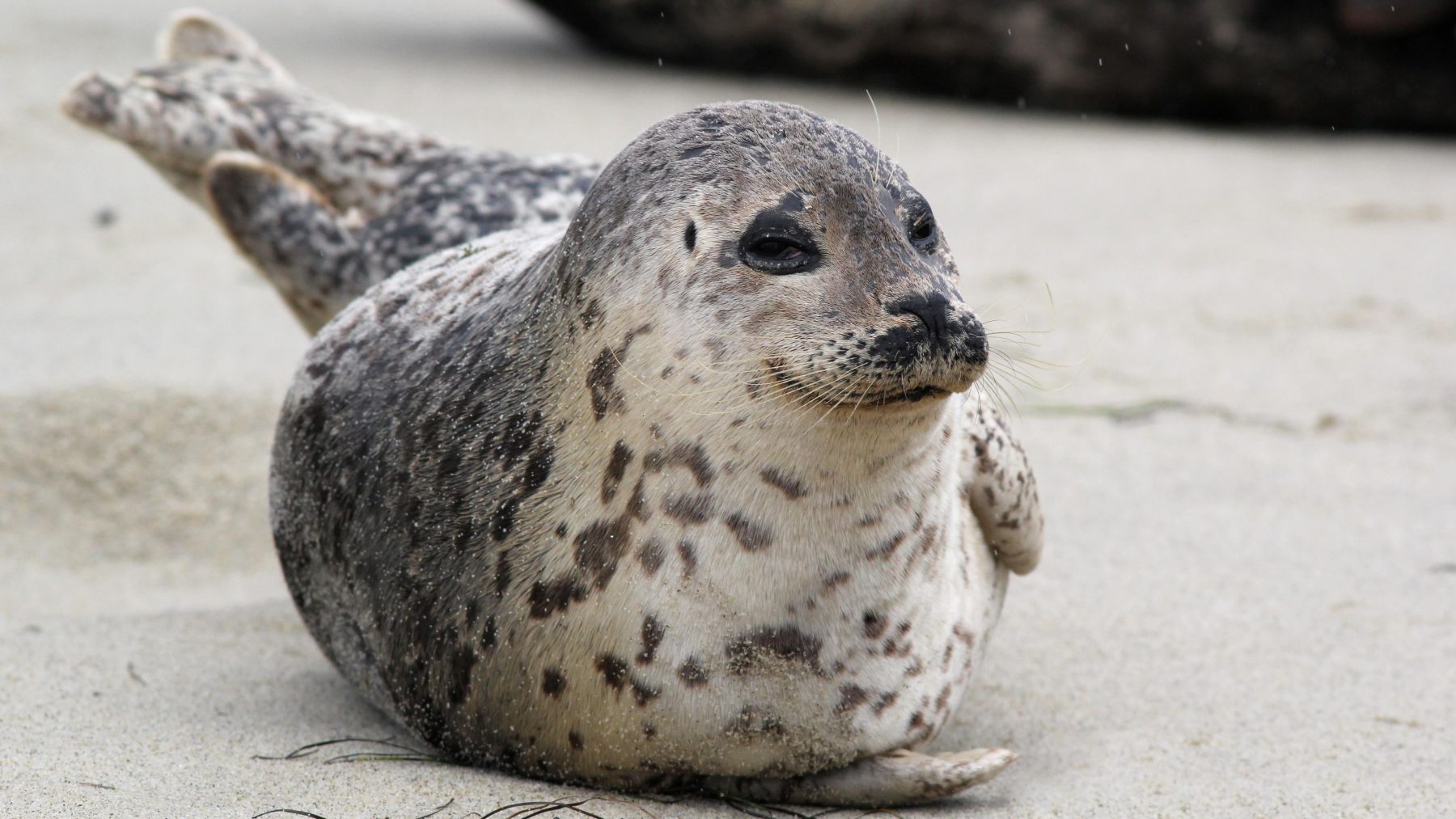
For the last 4 decades, Juha Taskinen has been protector & publicist for the Saimaa ringed seals, Finland’s endangered freshwater seals. (Both the animals and the man who has turned them into a beloved national icon are known as “norppa.”) In recent years the seal population has increased from about 100 to roughly 430. But the animals’ future remains uncertain.

In São Tomé, a Pop Star Helps Keep Sea Turtles Off the Dinner Table

by Luke Fater
Few instruments of social change can match the power of pop music with a message. Just ask São Toméan pop legend João Seria. In 2017, Seria’s song “Mem di Omali,” or “Mother of the Sea,” raised awareness for the plight of a sea turtle species that once thrived—& could again—around the islands of São Tomé & Principe. The song helped to curb the local market for their meat.

Cute Critter Pics:


Weekly Chuckle:

Slava Ukraine!


Wednesday, May 21, 2025

May 21/2025


Ocicat Cat Breed Characteristics & Information

By  Katherine Malone 

4/23/2023 

Ocicat cat quick facts

‌Length‌: 12 – 16 inches

‌Weight‌: Females: 8 – 10 pounds, males: 10 – 12 pounds

‌Lifespan‌: 12 – 18 years

‌Coat‌ l‌ength‌: Short

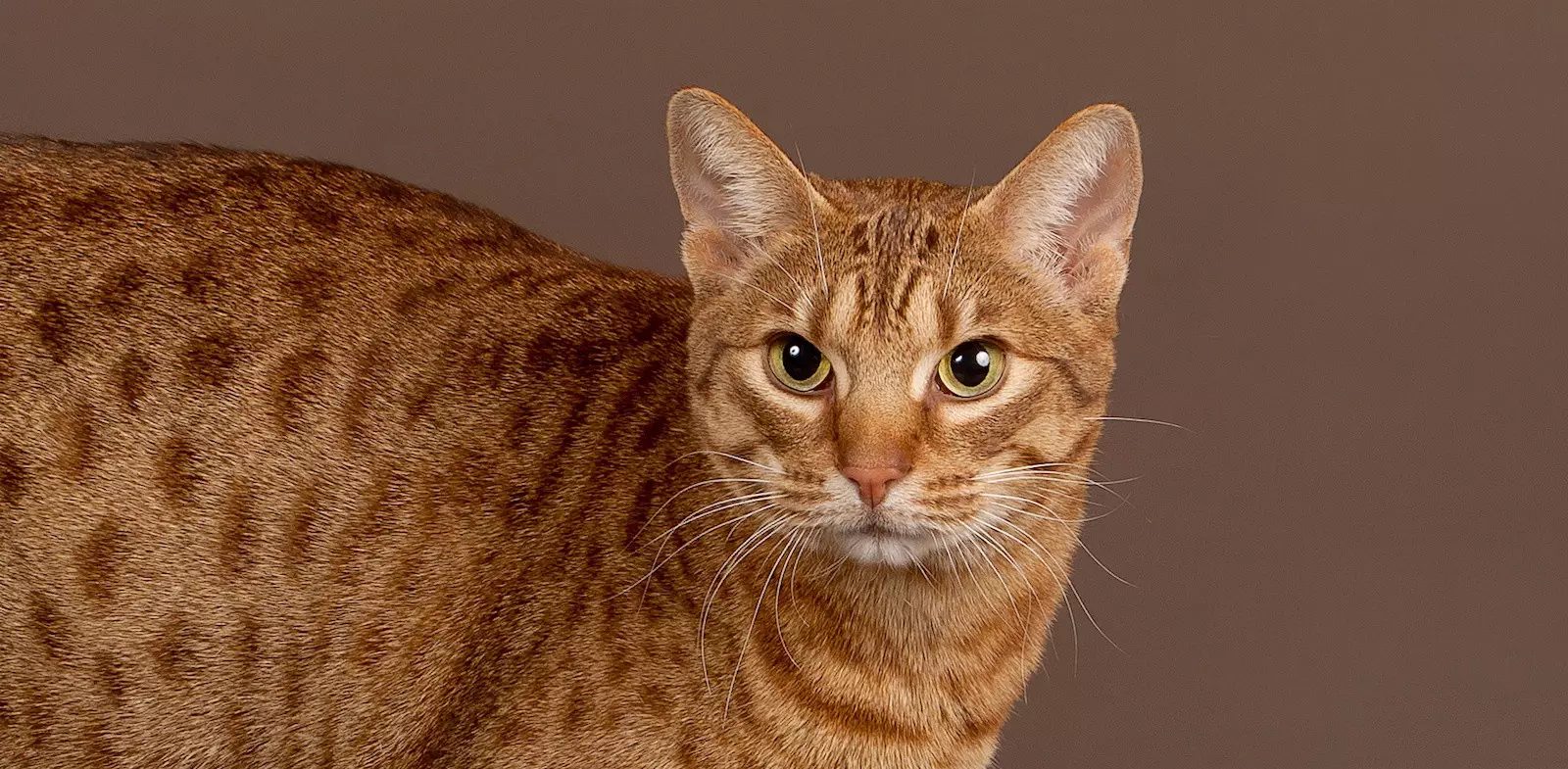
‌Coloring‌: Spotted coat pattern in black, black silver, blue, blue silver, chocolate, chocolate silver, cinnamon, cinnamon silver, fawn, fawn silver, lilac, & lilac silver with any eye color except for blue.

‌Grooming‌ ‌needs‌: Low

‌Friendliness‌‌: Breed alone is not an accurate predictor of individual cats' personalities. However, Ocicat cats are generally regarded as active, affectionate, & sociable.

The Ocicat was named after the ocelot, a wild cat found in the southwestern United States, as well as Central & South America. Ocicats may share a similar appearance, but the breed is not related to the wild species & is a completely domestic cat breed. If you love the appearance of the wild cat & enjoy being a pet parent to an intelligent & playful cat breed, the Ocicat breed may be for you. Carefully consider the breed's personality & care requirements before deciding to bring a new kitten into your home.

Ocicat cat history

The first Ocicat was born in 1964 in Michigan when Virginia Daly bred an Abyssinian cat with a seal point Siamese cat. She was attempting to breed an Abyssinian-pointed Siamese cat. The resulting litter included a spotted kitten, named Tonga.

Geneticist Dr. Clyde Keeler was interested in the wild appearance of the spotted cat & the breeding was repeated. This litter included a tawny spotted kitten.

The new breed of cat was named Ocicat by Virginia Daly's daughter. The breeding program continued with Abyssinian, Siamese, & American shorthair cats. In 1987, both the Cat Fanciers' Association (CFA) & the International Cat Association (TICA) granted championship status to the Ocicat breed.

This spotted cat comes in 12 different coat colors & 4 other coat patterns including:

- classic tabby

- pointed

- solid

- ticked

They also have a wedge-shaped head & large, almond-shaped eyes.

Ocicat cat personality

Ocicats are intelligent, curious, & energetic. They will explore every corner of the home & many Ocicats even like playing in water. Don't be surprised if they try to stick their paws in an aquarium, bath, or sink. The breed is very athletic & can easily climb or jump to the highest perches in the home.

Sometimes described as dog-like, the breed is also very sociable & prefers to spend their time with their human family. They may follow you around the home & tend to be quite vocal. You can teach the cats to walk on a leash & harness so that they can accompany you on outings. You can also use positive reinforcement techniques to teach them tricks & to respond to cues.

It is not uncommon for an Ocicat to select a favorite pet parent, but that doesn't mean they don't interact with other members of the family & even greet visitors to the home. If you live alone & spend long hours at work, this is not the breed for you. Another pet in the household can help to provide companionship for your cat & the breed tends to get along with both other cats & dogs.

Ocicat cat lifespan & health issues

A healthy & well-cared-for Ocicat can live into their late teens. The breed tends to be quite healthy, but there are a few genetic health problems that affect the cats in rare cases. These include:

- Hypertrophic cardiomyopathy, a type of heart disease that causes a thickening of the heart wall

- Progressive retinal atrophy, an eye disease that can eventually cause blindness

- Renal amyloidosis, a disease that causes the build-up of proteins in the kidneys

Be sure to discuss the cat's health history with the breeder. Keep up with regular veterinary check-ups to catch any health concerns early & ensure your cat receives all of the recommended vaccinations.

Ocicat cat grooming & care

The Ocicat's coat is satiny & short which makes grooming a breeze. Brush your cat weekly to remove any dead hair & keep the coat shiny. If your cat enjoys the process, you may want to groom them more often to deepen your bond. Additionally, check & trim your cat's nails & brush their teeth with veterinarian-approved toothpaste.

Feed high-quality cat food in the amount recommended by your veterinarian. Check the food label & select a high-protein food made with real meat. Keep fresh water available for your cat at all times.

Welcoming a new cat

Before bringing your new Ocicat home, it is important to cat-proof the home. While a young kitten may stay close to the ground, it won't be long before they are climbing & jumping. When cat-proofing the house, check even the highest shelves & the top of your refrigerator to make sure there isn't anything your new cat can get into.

Select a room where you can welcome your cat & give them time to adjust to their new surroundings. Set up the area with everything your new cat will need including:

food & water

litter box

cat toys

cat tree

scratching post

Spend plenty of time with your new cat but give them space to explore & approach you when they are ready. It is important not to rush your cat, but with a bit of patience, this sociable breed is likely to bond with you before you know it.

If you have other pets in the household, introduce them to the new cat. When your cat is comfortable with the new home & other family members, open the door & allow them access to more of the house.

Here are some other questions you might have about Ocicat cats:

What is the difference between a tabby cat & an Ocicat?

An Ocicat is a recognized cat breed. Tabby cats, on the other hand, may be any breed. Tabby refers to a coat pattern that features spots, swirls, or stripes.

Are Ocicats rare?

Ocicats are relatively rare in the United States compared to some more popular breeds, but it is possible to find reputable breeders who offer kittens. The breed is more difficult to find in other countries. You can generally expect to pay between $800 & $1,200 for an Ocicat kitten.

Read More: https://www.cuteness.com/13777490/ocicat-cat-breed-characteristics-information/

Cute Critter Pics:


Weekly Chuckle:

Slava Ukraine!


Saturday, May 17, 2025

May 14/2025


9 Common Mistakes Made by Turtle Parents & How To Avoid Them

By Angelina Childree, LVT. Reviewed by Sean Perry, DVM

3/27/2024

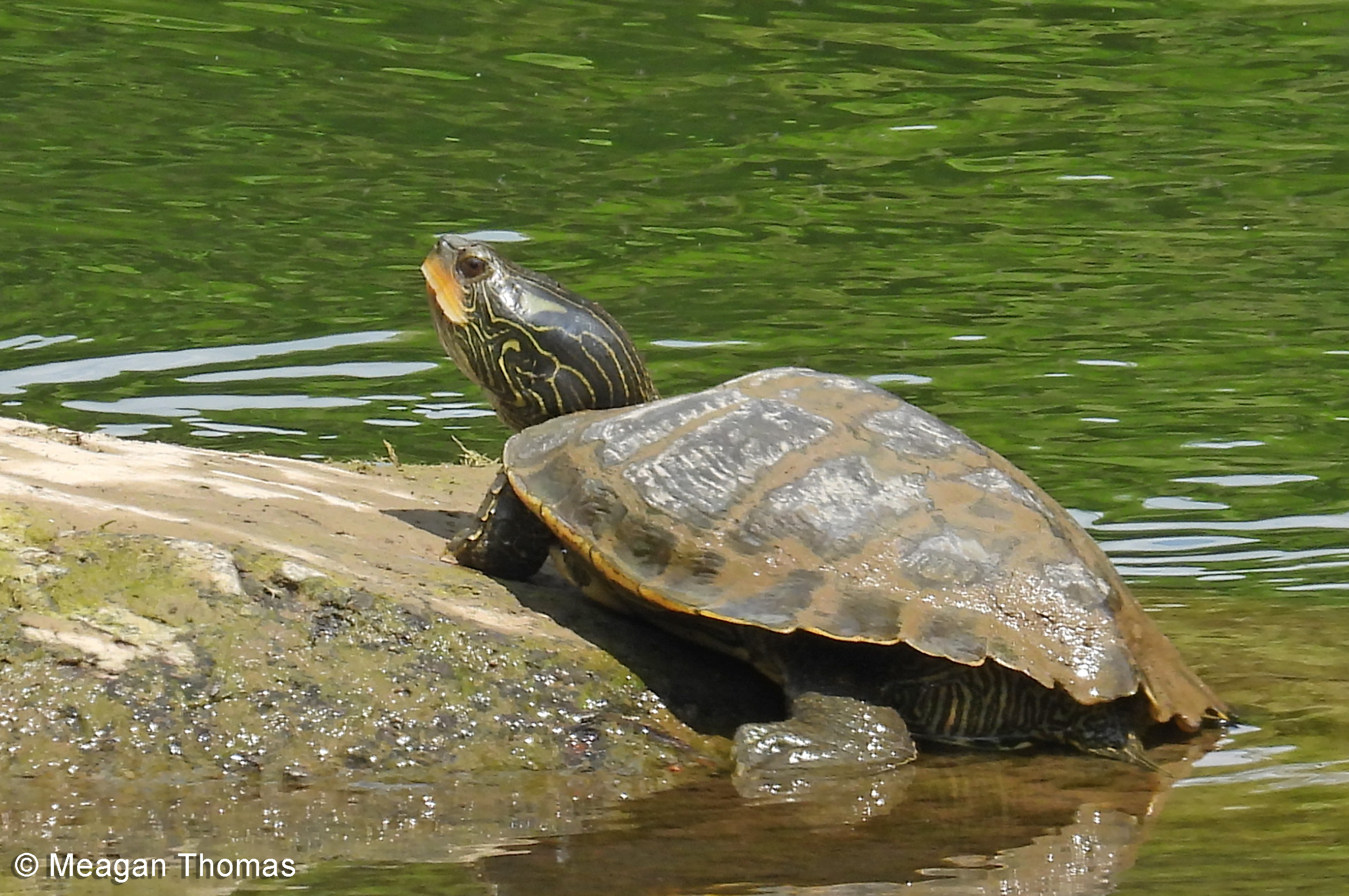
Pet turtles are fun & unique companions. Some turtles kept as pets are red-eared sliders, painted, & map turtles.

Turtles have a relatively long lifetime compared to a cat or dog, & it’s important to keep your turtle’s care at the highest level possible so they can reach such an advanced age. Here are some common mistakes turtle parents make—& how to properly care for them instead.

1. Providing an Enclosure That’s Too Small

Pet turtles often end up in habitats that are too small for their needs. One adult turtle needs a minimum of a 50-gallon tank to have enough room to swim & get out of the water. If you have more than one turtle, you’ll need a larger tank.

Most of your turtle's enclosure should be filled with water, allowing them to swim at least 4 to 5 times their body length across & twice their length deep. Pet turtles also need land to exit the water so they can rest & bask in their UV light.

2. Using Incorrect Lighting

Pet turtles require a heat lamp to help regulate their temperature. Different species require different temperatures, but on average, turtles prefer 82–86 degrees F during the day & 74–80 F at night.

To ensure the temperature in your turtle's enclosure doesn't drop too low, you may also need to use an infrared heat lamp at night. Infrared bulbs provide heat with a minimal level of visible light. Heating rocks & pads should not be used, as these can cause thermal burns. 

In addition to lighting for heat support, turtles also need lights that produce UV rays. Sunlight from windows is not a sufficient source of UV rays. Your pet turtle needs multiple types of UV rays:

UVA rays help mimic the sun’s natural behavior. They can help regulate your turtle’s natural behaviors.

UVB rays help a turtle absorb calcium & vitamin D3. Turtles need 8–10 hours of UVB ray exposure a day. 

3. Failing Filtration Needs

Turtles are messy! A filtration system that can filter twice the recommended amount for your tank can help keep your turtle's water clean. So because an adult pet turtle needs a minimum of a 50-gallon enclosure, they should have a filtration system for at least 100 gallons.

At least 20% of the water should be changed weekly to help remove nitrates, but no more than 50% should be removed to keep healthy microbes in the environment. Tank filters should be checked & changed regularly as directed by the manufacturer.

You can also help keep your turtle's water clean by creating a separate area for feeding.

4. Overfeeding Your Turtle

Pet turtles are commonly overfed, leading to health issues. Most turtles are omnivores, which means they eat both plants & meat, & they can become overweight if their diet consists of too much animal protein.

Follow these tips to keep your turtle’s diet on track:

Half of your turtle’s diet should be fresh, dark, leafy greens such as collards, dandelions, & kale. Animal protein should not exceed 25% of your turtle’s diet.

Live feeder fish are a source of nutrition for turtles & can help stimulate your turtle’s natural behaviors.

Turtles can also eat insects such as mealworms & waxworms.

A high-quality commercial feed should make up the rest of your turtle’s diet.

Adult turtles should have a calcium supplement added to their diet once or twice a week. Calcium is essential for healthy bones (& shells!).

5. Forgetting About Salmonella

Turtles can spread diseases to humans, most commonly Salmonella. Turtles infected with Salmonella rarely display symptoms, so your turtle could carry it without you realizing it!

Always practice proper hygiene & disinfect any surfaces that may come in contact with your turtle or water from their enclosure.

Turtles may not be the best companion choice for immunocompromised individuals. The US Centers for Disease Control & Prevention (CDC) recommends not allowing children under age 5 to handle turtles & other animals that may carry Salmonella; therefore, they are unsuitable pets for young children.

6. Housing Your Turtle with Other Species

It can be OK to house multiple turtles in the proper space, but turtles as a species should live alone & not interact with other pets.

Your other pets can risk contracting Salmonella & other diseases from turtles, so they should not be allowed to interact. Additionally, other animals can accidentally hurt your turtle. Fish can help enrich your turtle’s environment, but sometimes turtles may try to eat the fish in the enclosure. Pet parents should expect this when housing turtles & fish together.

7. Only Bringing Sick Turtles to The Vet

Turtles require annual veterinary care for routine wellness visits, just like other pets. It can be difficult to notice symptoms when your turtle is sick, & an illness may have progressed by the time you start to see any signs. When they do, turtles should be seen promptly by a veterinarian who works with reptiles.

8. Forgetting About Enrichment

Enrichment can benefit your pet turtle's health & give you a way to bond with them! Turtles need mental stimulation to be able to display their natural behaviors.

Swimming after live prey can be fun for turtles when it is time for a meal.

For visual variety, change up what your pet turtle can see from inside their tank.

Your turtle may even enjoy supervised time playing with safe, floating items such as rubber ducks or ping-pong balls. If you suspect foreign material may have been ingested from a toy, immediately take your turtle to an emergency veterinarian.

9. Releasing Pet Turtles Into the Wild

Unfortunately, people attempt to release fully grown turtles into the wild when they do not have room for the turtle anymore. Typically, pet turtles do not survive in the wild & can spread disease to local wildlife. If you cannot care for your turtle further, contact a local shelter, rescue, or wildlife rehabilitation center.

Cute Critter Pics:


Weekly Chuckle:
Slava Ukraine!


Wednesday, May 7, 2025

May 6/2025


Smelly T-shirt played a key role in catching Valerie, the dog lost for 529 days

By Hilary Whiteman, CNN

4/ 26/ 2025

Brisbane, Australia

CNN

Lost dogs rarely capture international attention but for several weeks the world has watched & waited for updates on the search for Valerie, a miniature dachshund missing in the Australian wilderness.

Then on Friday night, after 529 days roaming Kangaroo Island, off South Australia, the tiny dog with a pink collar was finally cornered, & the internet erupted with rare joy.

“Valerie has been safely rescued & is fit & well,” Kangala Wildlife Rescue announced on its Facebook group on Friday night to a flurry of likes & shares.

Key to her rescue was a smelly T-shirt worn by her owner in 12-hour shifts that was ripped up & used as a scent trail to attract her to an enclosure, Kangala directors Jared & Lisa Karran said in a video posted to Facebook.

“We were able to rip little strips off of it, & we started the process of just adding more & more bits towards the trap site as we went along,” said Lisa Karran.

Karran wore the owner’s now “tatty” T-shirt while sitting in the cage, & eventually the rogue sausage dog dropped her defenses & approached her rescuers.

“She came up, would sniff us & we’d just go by her cues, until she was completely calm & snuggled up in our laps. It was amazing,” Karran said.

Valerie vanished during a camping holiday with her owners Josh Fishlock & Georgia Gardner, November 2023. When strangers tried to help, she fled into the undergrowth, & her owners eventually gave up & returned home to the mainland.

With no sightings it was assumed Valerie had met her match with a snake or perhaps a giant Rosenberg’s goanna, reptiles up to 1.5 meters long that occupy the island.

Then reports of multiple sightings started to spread. Could it be that Valerie was alive?

A massive search operation swung into action led by volunteers from the Kangala Wildlife Rescue, a non-profit group set up in 2020 following the devastating Australian bushfires.

“We are using surveillance & various trapping & luring methods in the area she was last seen to try & bring her home. This is a tiny dog in a huge area, & we will need help from the public to report any sightings & a lot of luck,” the group announced on Facebook.

When bad weather compromised the 4G cameras they’d set up to monitor her movements, a call went out for a portable Starlink system. “Message Elon on X. I bet he would help,” someone suggested. Thankfully, an offer came from closer to home.

Some suggested using heat-seeking drones to find her, others recommended roast chicken.

Not all followers have been supportive. Some accused the charity of prolonging the search to raise extra money through appeals for donations. A member of the group responded that they were doing their best to find her.

Part of the problem, the charity said, was the island’s vibrant ecosystem.

“One of the reasons this is such a difficult rescue & not as easy as just baiting & setting traps, is due to the fact we are constantly competing with hundreds of wildlife like possums, wallabies, kangaroos, goannas, & feral cats. All which are all just after a feed also,” the group posted on Facebook.

Home to around 5,000 people, the island is about 45-minute trip by ferry from the mainland. Tourists go there to see Australian native wildlife, but officials have long had a problem controlling introduced species including feral cats. The island is thick with bush, & there are many places for a small dog to hide.

The Kangala rescuers put out food boxes & a pen was set up with toys from home. A remote-controlled trapping device was procured, & then they waited.

By Friday, Valerie’s adventure was over.

After the gate to the enclosure closed behind her, Valerie looked around for an exit, the rescuers said. After a few anxious moments, she did what any lost dog might do after realizing the game was up.

“She actually went into her crate, the one that was set up to look like the one at home, & she went & had a sleep,” said Jared Karran.

Valerie is now “decompressing,” Karran said, & will be returned to her owners for a more sedate life on the mainland.

Cute Critter Pics: 


Weekly Chuckle:

Slava Ukraine