10 amazing animal species native to Ireland
"Ireland... is roughly 10,000 years old. Upon breaking apart from mainland Europe after the last ice age, it only then began to flourish into the rich, temperate island it is today.
Due to its relative youth, it has fewer plant & animal species when compared to Britain or mainland Europe. But don’t think this means there’s any shortage of compelling creatures native to the Emerald Isle.
From tiny nocturnal creatures to the mighty red deer, here is our list of 10 amazing animal species native to Ireland.
10. Irish Hare One of the oldest species in Ireland, the Irish hare is an allusive creature, usually found grazing woodland areas. Considerably larger than its rabbit cousin, the hare isn’t here by coincidence.
According to the Hare Preservation Trust, the species had survived the most recent ice age by taking refuge in the tundra-like landscape of the south of Ireland.

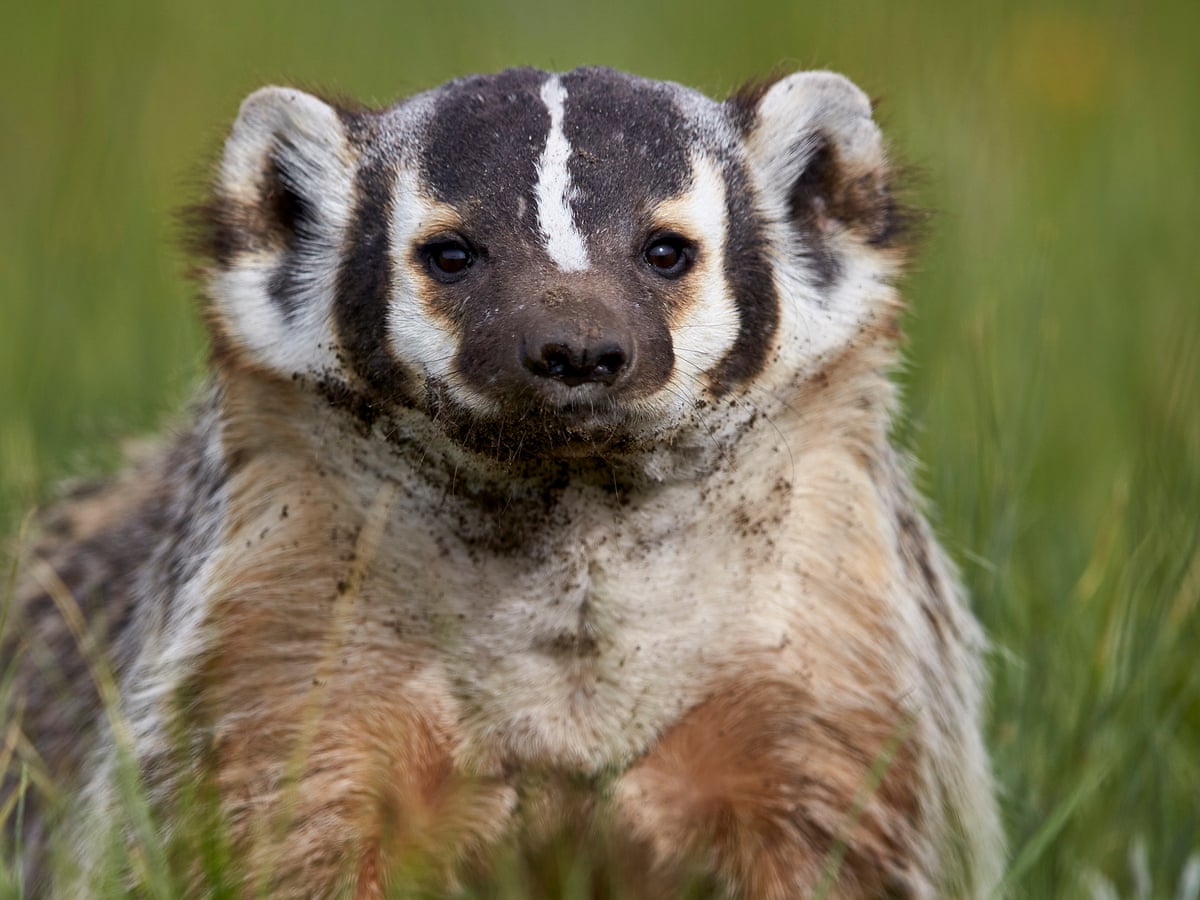
Although found throughout Europe, badgers are mainly residential to Ireland. If you’re planning a walk in the countryside, hedgerows, grasslands, or woodlands around the island after sunset, you may just be lucky enough to spot one of these nocturnal creatures.
They’re usually wary of humans, so respect their desire for space or else you’ll risk the animal getting aggressive.
The beautiful Irish setter is a much-loved breed of dog that originates from... Ireland. Although known for their russet-red coat, records indicate that this wasn’t always the case.
Around 400 years ago, the breed used to be red & white, 2 colours that made it easier for hunters to spot them in their fields. It wasn’t until the late 19th century that the breed, as we know them today, became popular.
:max_bytes(150000):strip_icc():format(webp)/PairofIrishSetterDogs-ecaa2351f6ea4bafbbe73711691d3989.jpg)
7. Connemara pony
These majestic creatures are known for their gentle nature & the strong bonds they are able to form with their owners.
Standing at 12.2 to 14.2 hands high, Connemara ponies are the largest breed of pony out there.

6. Red fox
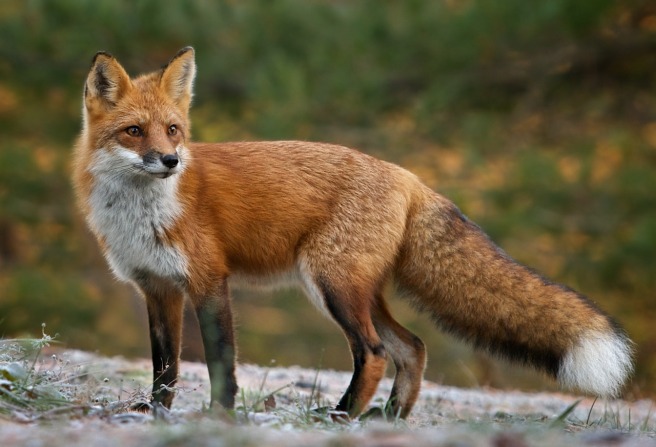
The largest of all the foxes, the red fox is one of the most amazing animal species native to Ireland—& a beautiful sight to behold in woodland areas of Ireland. They’ve even been spotted in urban areas at times, as they are highly adaptive.
Red foxes tend to stay out of the path of humans, which is understandable given the level to which this striking animal has been hunted by us in the past.
5. Pygmy shrew
The minute pygmy shrew takes the title of Ireland’s smallest mammal, measuring only between 4.5 & 6cm. Although often mistaken for a mouse, these creatures can be distinguished by their smaller body size, more velvet-like fur, & slightly furred tail.
Although largely absent from heavily forested areas, you can find them in grasslands, heaths, & peatlands across the emerald isle.

Adored by cute animal lovers everywhere, hedgehogs have reached 'native' status in Ireland. These gentle creatures are non-territorial & are more at risk from human behaviour than other animals.
Although a common household pet, hedgehogs can be seen in the wild after dark in the countryside. Be careful, though; due to their size & colouring, they can often be missed on the ground beneath your feet.

3. The great Irish elk
The great Irish elk is one of the largest deer to have ever lived in Ireland. Unfortunately, these towering creatures have long been extinct, with most of their antlers & skeletons being found in the country’s bogs.
One theory for their extinction is that their wide-spanning antlers became so big that the animals could no longer support them on their heads.

2. The viviparous lizard
It’s a well-known legend that Saint Patrick banished snakes from Ireland, & whether or not you believe that to be true, you won’t find any slithering serpents here. In fact, the closest thing you’ll find is the viviparous lizard, Ireland’s only lizard.
Small in size, but with a long tail, this reptile has the ability to regrow its tail should it ever be ripped off by predators.
1. Red deer
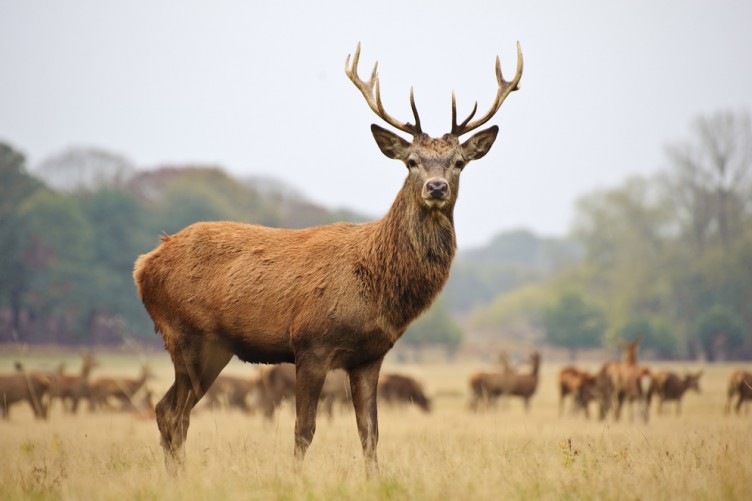
Believed to have been present in Ireland for at least 12,000 years, the mighty red deer is Ireland’s biggest land mammal, & the only current species of deer considered 'native' to here.
If you’re looking to photograph one of these, you’ll get your best snaps in late September to November & during the winter months, particularly when there is snow on the ground."
irelandbeforeyoudie.com
10/10/2019
Cute Critter Pics: 


Weekly Chuckle:
 #StaySafe