Sunday, October 27, 2024

Oct. 23/2024


Halloween Animals List: Scary Animals Pictures & Facts Part 1
by Active Wild Admin
10/ 23/ 2023 

To celebrate Halloween we’ve made a list of some of the world’s scariest animals. Continue reading… if you dare!

Aye-Aye
Scientific name:
Daubentonia madagascariensis
Type of animal: Mammal
Conservation status: Endangered

The aye-aye is a lemur found on the African island of Madagascar. Local people believe that the aye-aye brings bad luck, especially if it points at you with its skeletal finger (the species uses its elongated middle fingers to prize grubs out of nooks & crannies).

There are around 100 species of lemur. Lemurs are only found on Madagascar, where they evolved independently of other primates such as monkeys & apes. The aye-aye lives in the rainforests on the eastern side of the island.

The aye-aye is the world’s largest nocturnal primate. This endangered animal hunts using echolocation. By tapping on trees, it is able to tell from the sound if food is present under the bark.

Bald Uakari
Scientific name:
Cacajao calvus
Type of animal: Mammal
Conservation status: Vulnerable

The hairless red head of the bald uakari gives this small monkey an almost human-like appearance. This bizarre-looking primate is found in the western reaches of the Amazon Rainforest in South America.

Sadly, hunting & habitat loss mean that the bald uakari now has a conservation status of ‘Vulnerable’.

Bears
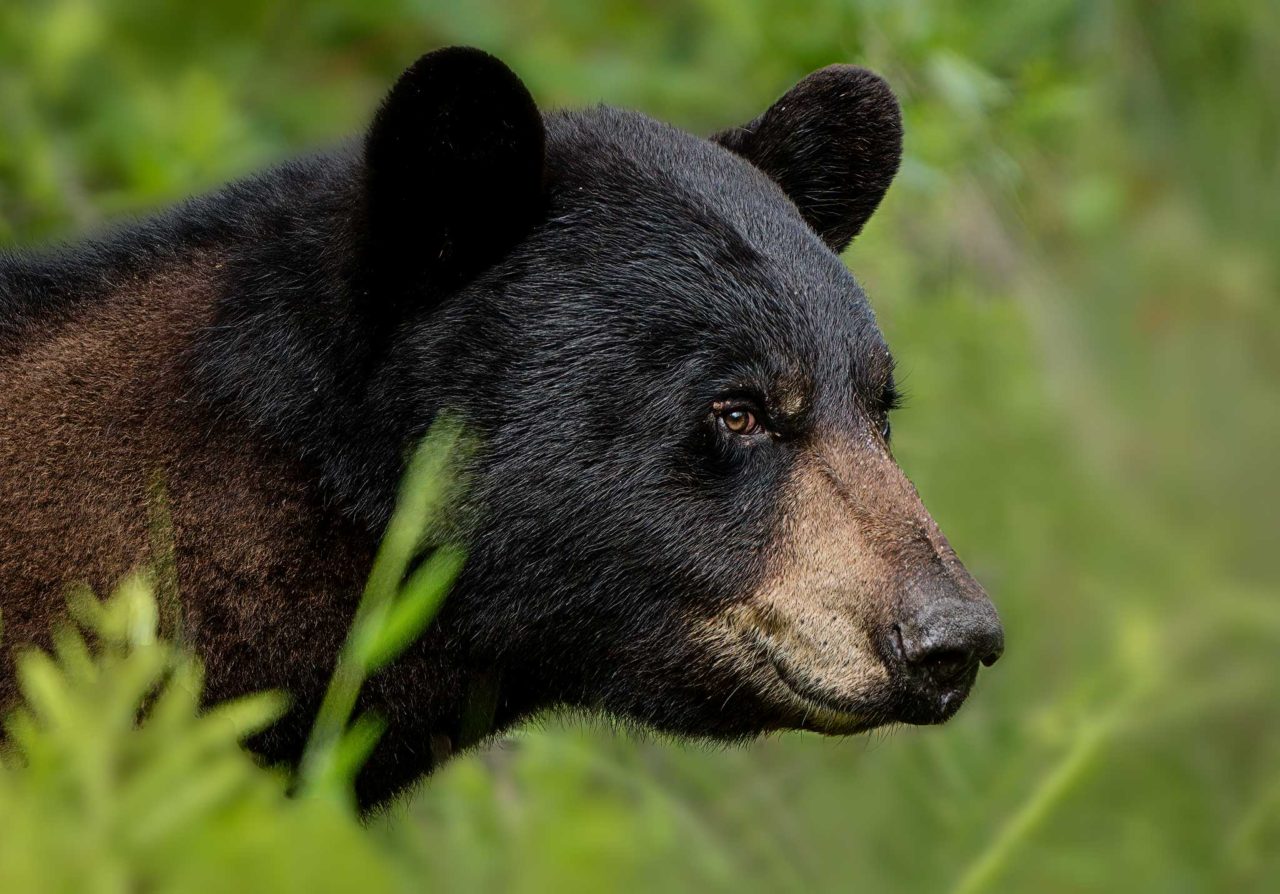
Type of animal:
Mammal
Animal Family: Ursidae

There are only 8 living species of bear: polar bear, brown bear, American black bear, spectacled bear, sloth bear, sun bear, Asian black bear, & giant panda.

Together these 8 species make up the family Ursidae.

Most bears are omnivores, although some, such as the giant panda & spectacled bear, mainly eat plants. The sloth bear is a specialist insect eater.

The polar bear is the most carnivorous of all bears, & on average the largest, although the Kodiak bear (which is a subspecies of brown bear) can be even larger.

They may be cute as cubs, but as adults bears are big, powerful, & well-armed. They’re likely to attack if they think you’re a threat–or, in the case of brown bears & polar bears–if they’re hungry!

The insect-eating sloth bear is surprisingly aggressive given its diet & even the giant panda has been known to attack humans!

Bears make many appearances in myths & legends. 2 constellations–Ursa Major (the great bear) & Ursa minor (lesser bear)–are named after bears.

Camel Spider
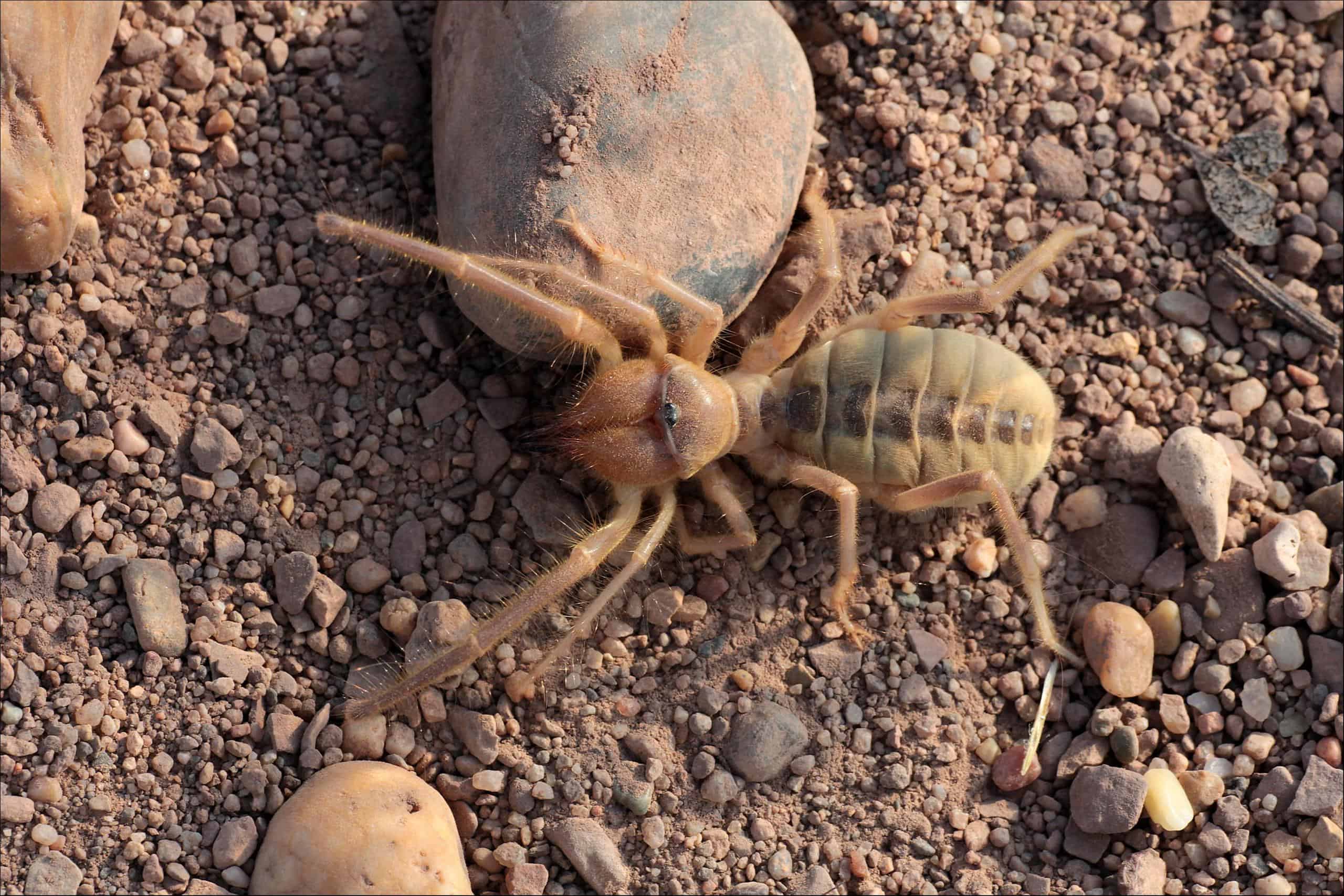
Order:
Solifugae
Type of animal: Arachnid

Camel spiders are a group of arachnids that are mostly found in deserts & other arid habitats.

Being arachnids, camel spiders have 8 legs, along with 2 additional pairs of appendages on their heads.

In camel spiders, these additional appendages take the form of long, leg-like feelers, & freakishly large, fearsome-looking mouthparts.

Cockroaches
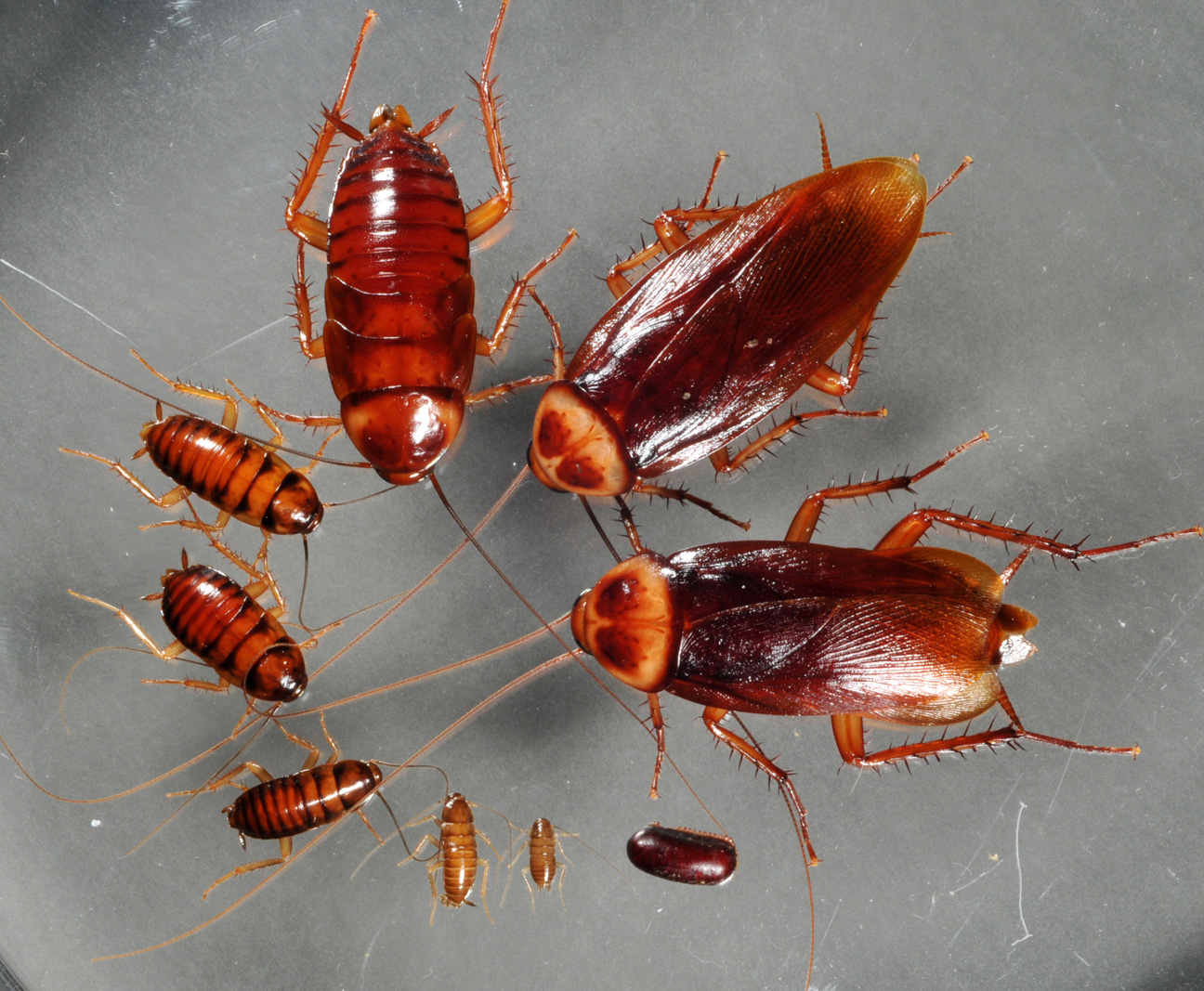
Type of Animal:
Insect

Insects aren’t particularly well-liked animals at the best of times, but cockroaches have a particularly bad reputation.

More “gross animals” than “scary animals”, cockroaches are associated with dirty, unhygienic surroundings. They’re known to transmit disease, & can cause an unpleasant odor in buildings in which they are present.

The German cockroach Blattella germanica is the most commonly-encountered cockroach in the United States. It is one of around 4,600 cockroach species, all of which are members of the order Blattodea.

Cockroaches are closely related to termites, which are also members of Blattodea.

The German cockroach is a survival expert. This hardy insect is found on all continents except Antarctica, & can reproduce faster than any other “pest” cockroach. Some people think that, in the event of a nuclear war, cockroaches would be the only species to survive!

Dracula Parrot
Scientific name:
Psittrichas fulgidus
Type of animal: Bird
Conservation status: Vulnerable

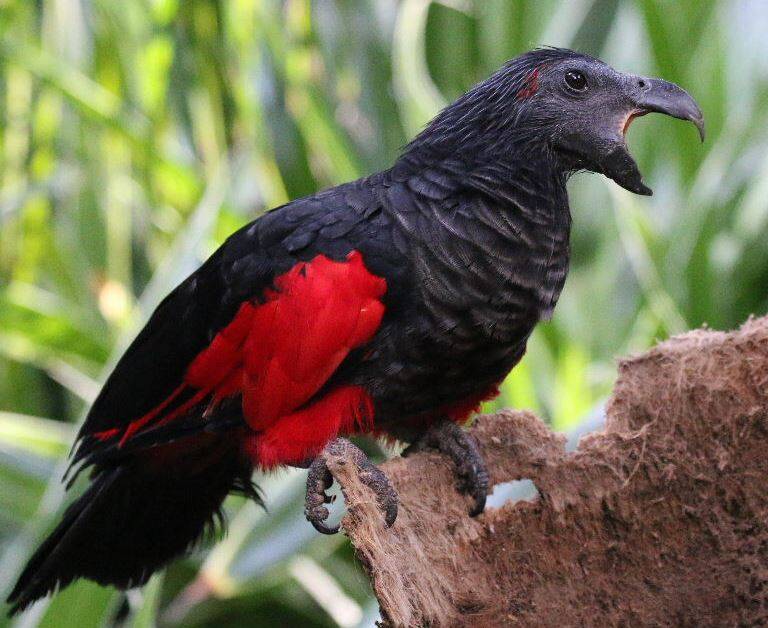
Pesquet's parrot has been given the alternative name of "Dracula Parrot" due to its black & red plumage (which resembles the cloak worn by the fictional vampire), large size, featherless face, & long bill.

The distinctive parrot's bill & bald face give it a vulture-like appearance, & because of this the species is also known as the vulturine parrot.

The Dracula parrot is found in the mountain forests of New Guinea. Despite its fearsome looks, the species is a frugivore (fruit-eater). Instead of drinking blood, it uses its large, powerful beak to open hard nuts & fruits; its favorite food being figs.

Due to habitat destruction & hunting (for its feathers, which are used in ceremonial dress by indigenous peoples), Pesquet's parrot is rated "Vulnerable" by the IUCN.

Gila Monster
Scientific name:
Heloderma suspectum
Type of animal: Reptile
Conservation status: Near Threatened

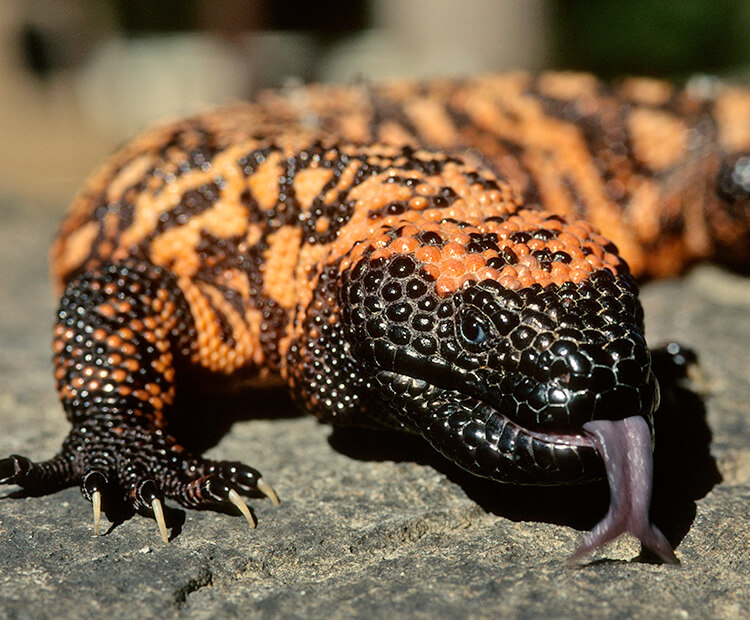
The Gila monster is one of only 2 venomous lizards found in North America (the other being the closely-related Mexican beaded lizard). Although the species feeds mainly on eggs, its venom helps it to subdue live prey such as small birds, mammals, & reptiles.

The Gila monster's venomous bite, together with its warning coloration, help protect it from predators.

This large, black / orange lizard grows to a maximum length of around 56 cm (22 in). It is found in deserts & scrubland in the southwestern United States & Mexico.

Although the Gila monster had a fearsome reputation among early settlers, its bite, although extremely painful, is rarely fatal.

Hellbender
Scientific name:
Cryptobranchus alleganiensis
Type of animal: Amphibian
Conservation status: Vulnerable

A true ‘river monster’, the hellbender is one of the largest amphibians in the world, & the largest found in the Americas. The species reaches a maximum length of around 74 cm (29 in).

The hellbender lives in fast-flowing rivers & streams. Unlike most other amphibians, it lives in the water even after having reached maturity. The species is entirely carnivorous, preying on crayfish, mollusks, & fish.

Although the hellbender has lungs, it also obtains oxygen from the water via its slimy, wrinkled skin.

Horned Lizards
Type of animal:
Reptile

Horned lizards are reptiles in the genus Phrynosoma. With armored plates, rows of spines running along their sides & backs, & horn-like spines on their heads, horned lizards resemble miniature dinosaurs.

Due to their squat, rounded appearance horned lizards are also known as horny toads.

Horned lizards don't tend to move very fast & rely on their excellent camouflage to keep out of the way of predators.

Why are horned lizards included in this list of Halloween animals? It's not their dinosaur-like appearance, but something even more terrifying; when threatened, these little reptiles squirt a stream of blood from their eyes & mouth!

The blood also contains foul-tasting chemicals, so if the sight of the blood itself wasn’t enough, its taste may make a potential predator think twice about eating the lizard.

Found in the southern United States & Mexico, the Texas horned lizard is the most widespread horned lizard. It grows to around 10 cm / 4 in. in length.

Iberian Ribbed Newt
Scientific name:
Pleurodeles waltl
Type of animal: Amphibian
Conservation status: Near Threatened

The Iberian ribbed newt is the largest newt found in Europe, but that’s not why it’s on this list of scary animals. We’ve included this terrifying amphibian because of the unique way in which it defends itself from predators.

When threatened, the Iberian ribbed newt is able to puncture its own skin with its sharp ribs. While doing so it also secretes poison from its skin, meaning that an animal picking up the newt in its mouth would get a mouthful of sharp, poisonous spines.

You may think that piercing its own skin with its bones would cause the Iberian ribbed newt serious harm, but in fact the skin quickly grows back, leaving the amphibian seemingly unaffected.

Komodo Dragon
Scientific name:
Varanus komodoensis
Type of animal: Reptile
Conservation status: Endangered

Growing to 3 meters (10 ft.) in length, the Komodo dragon is the world’s largest lizard. This Asian species is found on the Indonesian island of Komodo, from which it gets its name, & 2 other neighboring islands.

With its lumbering gait, the fearsome Southeast Asian lizard would at first glance seem unable to catch nimble-footed prey. Don’t be fooled; the Komodo dragon is capable of a surprising burst of speed. The species is also thought to produce venom that makes its bite even more potent.

Owls
Type of Animal:
Bird
Owls are birds in the order Strigiformes (an “order” is a group of related animals).

Nearly all owls are nocturnal; their large eyes are an adaptation for seeing at night.

Owls also have excellent hearing; the stiff feathers that surround their round faces help to direct sound towards their ears. In addition, special feathers help owls to fly silently.

Because owls are active at night they are often associated with the supernatural. You’ve probably seen a film or TV show that uses an owl’s cry to set the atmosphere for a spooky nighttime scene.

Instead of a pleasant ‘twit-twoo!’, a barn owl emits a bloodcurdling range of screeches & hisses. In some areas it is known as a ‘screech owl’ on behalf of its terrifying call.

In addition, the silent, ghostly form of a barn owl flying through the night has led to superstitious people giving it names such as ‘demon owl’, ’death owl’ & ’ghost owl’.

Cute Critter Pics:


Weekly Chuckle:


Oct. 16/2024


What Do Geckos Eat?

By Lauren Jones, VMD

Published 11/14/ 2023

A healthy diet is crucial when caring for any pet, & geckos are no different. By providing a nutritious, varied diet, pet parents can help their geckos live longer, happier lives.

What Do Geckos Eat in the Wild?

Gecko species are found on every continent except Antarctica—from India to Africa to the Amazon & New Caledonia. They thrive in various habitats & climates, including deserts, rainforests, woodlands, & near riverbanks.

Because of this diversity, wild geckos have varied diets that provide them with vitamins, minerals, nutrients. Many geckos are primarily insectivores (meaning they eat any tiny insect or arachnid that moves), including:

Spiders

Worms

Grasshoppers

Scorpions

Caterpillars

Crickets

As they age, geckos can even be carnivorous, feasting on smaller geckos, snakes, small mice, & young birds. Some geckos, like crested geckos, are more omnivorous & eat nectar & fruits.

What To Feed a Gecko

While all geckos should have access to fresh water in a shallow dish, a gecko’s age & species determine how often—& what—they should eat.

Juvenile geckos generally eat more frequently—sometimes 2 to 3 times a day, while adult geckos only need to eat every day or every other day. Pet parents should mimic the specific species’ natural diet as much as possible when feeding a pet gecko & always consult with a veterinarian for the best outcome.

Insects for Geckos

Geckos can consume a healthy variety of the following insects:

Dubia roaches

Crickets

Red worms

Silkworms

Mealworms

Superworms

Waxworms

Fruit flies

Earthworms

Commercial feeder insects are typically devoid of nutritional value. Therefore, these insects should be gut-loaded, which means the insects are fed specialized supplements 24–48 hours before being fed to the gecko. Supplements, such as Repashy Bug Burger, provide vitamins & minerals that help make a gecko’s diet complete & balanced.

Geckos also require additional calcium supplementation, such as Repashy Calcium Plus, to prevent common diseases like metabolic bone disease. Dust insects with a supplement immediately before feeding. Supplement powder alone should never be left in the cage, as too much calcium can also cause problems.

Continuously monitor insects during feedings; never leave them in the cage alone with the gecko. Insects can bite geckos, especially while the gecko sleeps, & cause health issues. It is best only to feed what a gecko can eat within 15 minutes, which is usually 4 to 6 food items. Insects should be approximately half the size of the gecko’s head. Any larger may cause issues during feeding.

Can Geckos Eat Fruit?

Pet parents may occasionally offer fruit to species that naturally eat fruit, such as crested, day, & tokay geckos. Some favorite foods include:

Papaya

Pears

Blueberries

Mango

Guava

Cherries

Pineapple

Plums

Grapes

Apples

Watermelon

Bananas

Moderation is key, as these are sugary favorites with relatively little nutritional value compared to protein-packed insects.

Can Geckos Eat Mice?

Some geckos may also eat “pinkie” mice, which are commercially available mouse pups, but this is rarely required for nutritional value. Always consult with your veterinarian to determine the best diet & feeding schedule for your gecko’s specific needs.

Gel Foods for Geckos

There are commercially available gel foods that people sometimes use in some juvenile species, sick pets, & some species (such as crested geckos). These should be fed with the approval of a veterinarian.

Best Food for Geckos

Commercially available pelleted, gel, canned, or frozen diets seem like an easy solution for feeding a gecko, but they don’t provide the variety or the health benefits of a live insect diet.

Geckos are natural hunters who like to stalk their prey. Providing live insects also provides mental stimulation & enrichment—essential factors when keeping pet reptiles.

Dried insects are also tempting to feed, as there is no live insect upkeep. However, dried foods lack critical nutrients for geckos. These items may be fed occasionally as treats, but pet parents should not rely on them for the entirety of the gecko’s diet.

Live insects are always the best staple item in a diet for geckos.

What Can Geckos Not Eat?

Offering the wrong type of food can have serious health risks to your gecko. It is best to research the species & consult a veterinarian to determine the best products to feed.

Generally, veterinarians recommend only feeding commercially available insects to geckos. Wild insects are tempting to catch & offer to a gecko; however, the risk of insecticide exposure is considerable & potentially dangerous & may cause severe neurological or gastrointestinal issues & even death. Therefore, most veterinarians recommend against feeding wild-caught insects. Fireflies, or lightning bugs, are highly toxic & should never be fed to a pet gecko.

Truly insectivorous geckos, such as leopard geckos, should not eat fruits or vegetables, ever. They cannot digest plant material, & this can cause serious health problems.

How To Feed a Gecko

Always follow a gecko’s normal feeding patterns they would have in the wild. Some geckos are diurnal (awake during the day), while others are nocturnal (awake at night). Nocturnal geckos do best when fed at night; diurnal animals should be provided food during the day.

Keep live insects in a separate container, such as a cricket pen, with gut-loading supplements as food & a water source. Most pet parents find a water supplement in a gel format the easiest way to supply water to feeder insects.

At feeding time, transfer the appropriate size & number of insects into a separate container to dust with the calcium supplement. Most people find the use of insect tongs useful. Place the insects & the dusting powder in a plastic bag, tin can, or “cricket shaker,” & shake gently to coat the insects’ bodies.

Place the dusted insects in a shallow container or place them in the terrarium with the gecko. If not put in a dish, pet parents should ensure the gecko cannot ingest the substrate in addition to the insect. Most veterinarians recommend solid substrates over sand or soil substrates to prevent this accidental ingestion.

Feeding Geckos FAQs

What do leopard geckos eat?

Leopard geckos only eat insects like crickets, roaches, mealworms, waxworms, & superworms.

What do crested geckos eat?

Crested geckos eat a variety of food—approximately 50% insects & 50% fruit, such as pears, blueberries, & bananas.

What do baby geckos eat?

Baby geckos eat the same types of food that adults eat—only more often & with smaller-sized prey. Young geckos may eat 2 to 3 times a day & should only be fed items that are no larger than half their head.

Cute Critter Pics: 


Weekly Chuckle: 


Saturday, October 12, 2024

Oct. 9/2024

25 Small Dog Breeds To Fit Any Lifestyle Part 2
By Emily Sanders. Reviewed by Barri J. Morrison, DVM

8/ 6/ 2023

14. Japanese Chin
Weight: 7–11 pounds

Height: 8–11 inches

An ancient dog breed with a noble past, Japanese Chin were once popular among Japanese aristocracy. With a long, silky coat & expressive eyes that give them a look of wonder, Chin are regal & elegant while still being tiny, cute dogs.

15. Bolognese
Weight: 6–10 pounds

Height: 10–12 inches

Hailing from Bologna, Italy, Bolognese are small, fluffy dogs with wild white hair. Another ancient breed, these pups were often given as gifts among European nobility. Today, they’re a good-natured, easygoing lap dog.

16. Cavalier King Charles Spaniel
Weight: 13–18 pounds

Height: 12–13 inches

The Cavalier King Charles Spaniel is a toy dog bred to keep laps warm. These sweet puppies were especially beloved by King Charles I & his son, Charles II, & were eventually named after them. Clever, friendly, & eager to please, CKC spaniels are the perfect choice for first-time pet parents.

17. Italian Greyhound
Weight: 7–14 pounds

Height: 13–15 inches

Don’t be fooled by their name—unlike Greyhounds that can reach 70 pounds, Italian Greyhounds are a little dog breed. Standing just over 1 foot tall at the shoulders, Italian Greyhounds are sociable & sensitive. They are best suited for families with older children who know how to safely play with these small, slender dogs.

18. Chinese Crested
Weight: 8–12 pounds

Height: 11–13 inches

The Chinese Crested is an ancient breed that comes in 2 varieties: powderpuff (with silky hair all over their little body) & hairless (with hair only on their head, tail, & ankles). With either type you choose, your Crested will need a lot of care to stay in tip-top shape, with powderpuffs requiring attentive grooming & hairless dogs needing special skincare.

19. Havanese
Weight: 7–13 pounds

Height: 8–12 inches

The only dog native to Cuba, Havanese are small, fluffy dogs who bounce through life. They are highly affectionate & get along well with children & other dogs, making them excellent family pets. These happy dogs are very sociable & love the company of people, so pet parents should be ready to give them lots of attention.

20. Lhasa Apso
Weight: 12–18 pounds

Height: 11 inches or less

Lhasa Apso roughly means “bearded lion dog,” & it’s not hard to see why. With their graceful mane-like coat, these elegant toy dogs resemble small lions. Lhasa Apsos originated in Tibet, where they were bred to be watchdogs & are considered sacred & symbols of good fortune. These dogs are affectionate & loyal to their family but may be wary of strangers due to their breeding history.

21. Miniature Schnauzer
Weight: 11–20 pounds

Height: 12–14 inches

Of the 3 types of Schnauzers, the Miniature Schnauzer is the smallest. These intelligent & charming dogs need lots of exercise due to their history as farm dogs. Give them a job, & these bearded puppies will have the time of their life. Mini Schnauzers also don’t shed much, making them good pets for families with allergies.

22. Border Terrier
Weight: 11–16 pounds

Height: 12–15 inches

The scruffy & scrappy Border Terrier is the smallest of the long-legged terriers. These little dogs are bursting with energy & will thrive with at least an hour of exercise every day. Border Terriers have a distinctive “otter head” that pet parents may find irresistibly cute.

23. Miniature Pinscher
Weight: 8–10 pounds

Height: 10–13 inches

Hailed as the “king of toy breeds,” the Miniature Pinscher doesn’t let their small size slow them down. The Min Pin packs a bold personality despite their stature & needs plenty of action to stay happy. This German toy breed sports a short coat that needs minimal maintenance.

24. Toy Fox Terrier
Weight: 4–9 pounds

Height: 8–12 inches

Standing less than 1 foot tall, the Toy Fox Terrier is feisty & playful. Their mischievous antics are typically a great source of entertainment for pet parents. These terriers overflow with energy & will benefit from regular outdoor exercise before coming home & running around your living room.

25. Silky Terrier
Weight: 10 pounds

Height: 9–10 inches

Though they look a lot like Yorkies, the Silky Terrier is a separate breed that is native to Australia. This little dog is surprisingly energetic for their size & loves having a job to do. Pet parents need to provide Silkies with plenty of exercise to keep them happy, & Silkies also have a long, luscious coat that needs to be brushed every day.

Cute Critter Pics: 


Weekly Chuckle:
Slava Ukraine!


Sunday, October 6, 2024

Oct. 2/2024


25 Small Dog Breeds To Fit Any Lifestyle Part 1

By Emily Sanders. Reviewed by Barri J. Morrison, DVM

8/ 6/ 2023

Cute & compact, there’s a lot to love about small dog breeds. But there are also lots of different types of small dogs, & no 2 are exactly alike. Here are some of the best toy & small dog breeds that can fit into your family.

1. Chihuahua

Weight: 6 pounds or less

Height: 5–8 inches

Chihuahuas are charming little dogs who make adorable companions thanks to their sassy personalities & spunky nature. One of the longest-living dog breeds, Chis are full of energy & liven up any room they’re in—which is usually whatever room their beloved pet parents are in.

2. Pomeranian

Weight: 3–7 pounds

Height: 6–7 inches

With their cute strut & beautiful coat, Pomeranians are a popular lap dog. But they weren’t always the little dog breed we know today—Pomeranians are actually descended from sled dogs, & their predecessors weighed around 30 pounds. But once they captivated Queen Victoria & became more popular, Poms were selectively bred to be the tiny, cute dogs we know today.

3. Yorkshire Terrier

Weight: 7 pounds

Height: 7–8 inches

The Yorkshire Terrier, or Yorkie, is a playful, energetic, & affectionate dog. Like other small dog breeds, Yorkies don’t handle the cold well & may be prone to hypoglycemia (low blood sugar).

4. Shih Tzu

Weight: 9–16 pounds

Height: 9–10 inches

Small but mighty, the Shih Tzu was bred by Buddhist monks in Tibet to look like a little lion. These tiny, cute dogs are very attached to their pet parents & their long & luxurious coats need lots of attention to stay tangle-free. This breed does best with an attentive family who will brush them a few times throughout the week.

5. Papillon

Weight: 5–10 pounds

Height: 8–11 inches

Elegant & stylish, Papillons are named after their wispy ears that resemble butterfly wings (papillon means “butterfly” in French). This small dog is also highly intelligent & needs ample activity & mental stimulation to ward off boredom. Some of the Papillon’s favorite pastimes are taking long walks, running an agility course, & playing with their favorite people.

6. Toy Poodle

Weight: 4–6 pounds

Height: 10 inches or less

Toy Poodles are the smallest of the Poodle breeds (the other 2 being the Standard & the Miniature). Like their larger cousins, Toy Poodles are smart & playful, & they probably don’t mind bath night (which should be every 2 to 4 weeks).

7. Affenpinscher

Weight: 7–10 pounds

Height: 9–12 inches

German for “monkey terrier,” it’s easy to see how the Affenpinscher got their name: Their distinctive flat, bearded face makes this small dog breed look more like a monkey than a pup. Like other little dogs, Affenpinschers have a long lifespan that can reach 15 years or more.

8. Maltese

Weight: 7 pounds or less

Height: 7–9 inches

The Maltese is a small white dog known for their straight, sweeping curtain of fur. Despite their long coat, this toy breed isn’t a heavy shedder & is often labeled as “hypoallergenic” (although there’s no truly hypoallergenic dog).  Still, Maltese can be a good choice for people with allergies.

9. Bichon Frise

Weight: 12–18 pounds

Height: 9–12 inches

Another small white dog is the Bichon Frise. But what these dogs lack in size, they make up for in heart. Bichons are known for being curious, friendly, & eager-to-please, which makes them easy to train in both basic commands & fun tricks.

10. Biewer Terrier

Weight: 4–8 pounds

Height: 7–11 inches

Pronounced “beaver,” Biewer Terriers are cute dogs that are small & love their family, making them ideal lap dogs. Originating from Germany, they are descendants of Yorkies, but with a unique genetic twist: they carry the rare piebald gene, resulting in white fur with patches of color.

11. Brussels Griffon

Weight: 8–10 pounds

Height: 7–10 inches

Brussels Griffons are adorable & sociable companions. Their wide-set eyes give them a childlike, expressive face that adds to their endearing “Velcro dog” personality. These small dogs are equally happy to exercise & be a little couch tater tot. Here’s a fun fact: Griffons were the inspiration for Ewoks in Star Wars.

12. Alaskan Klee Kai

Weight: 6–25 pounds

Height: 12–17 inches

The Alaskan Klee Kai is a small dog breed that comes in 3 variations: Toy, Miniature, & Standard. They are a new & rare breed that began with one small Siberian Husky in the 1970s. Like Huskies, Alaskan Klee Kai dogs have an independent, talkative, & determined spirit.

13. Cairn Terrier

Weight: 13–14 pounds

Height: 9–10 inches

Cairn Terriers are shaggy, athletic dogs bred in Scotland to hunt foxes & other small mammals. The breed saw a boost in popularity after 1939, when a Cairn Terrier named Terry starred as Toto in The Wizard of Oz.

Cute Critter Pics: 


Weekly Chuckle: